As we look ahead to 2025, the realm of domestic air conditioning is poised for significant transformations driven by technological advancements and changing consumer preferences. The importance of efficient and sustainable climate control solutions cannot be overstated, especially as households seek to balance comfort with energy consumption. In an era where environmental consciousness is paramount, understanding the emerging trends in domestic air conditioning will empower homeowners to make informed choices that not only enhance their living spaces but also contribute to global sustainability efforts.
The future landscape of domestic air conditioning is likely to be characterized by innovations that prioritize smart technology integration, energy efficiency, and personalized climate solutions. From intuitive thermostats capable of learning user patterns to systems leveraging renewable energy sources, the evolution of domestic air conditioning equipment reflects a shift toward greener practices. Moreover, as the demand for more individualized living experiences grows, a variety of options aimed at enhancing indoor air quality and overall comfort will become increasingly crucial. This article delves into the top trends shaping domestic air conditioning, providing insights that will help homeowners navigate the developing marketplace and optimize their home environments for the years to come.
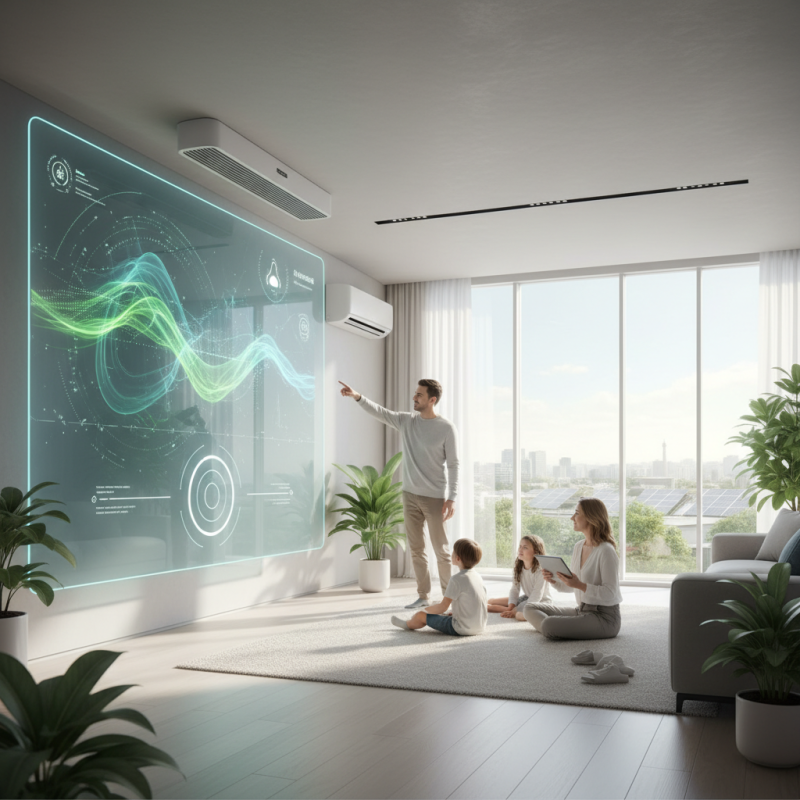
As we look ahead to 2025, several emerging technologies in domestic air conditioning promise to reshape the industry and enhance energy efficiency. One significant trend is the advancement of smart air conditioning systems that leverage Internet of Things (IoT) connectivity. According to a report by MarketsandMarkets, the global smart air conditioner market is projected to grow from $2.7 billion in 2020 to $9.2 billion by 2025, indicating a substantial shift towards more intelligent climate control solutions. These systems not only allow users to manage their air conditioners remotely through mobile apps but also optimize energy consumption by learning user preferences and adjusting settings accordingly.
In addition to smart technology, there is a growing focus on environmentally friendly refrigerants. The introduction of newer refrigerants with lower global warming potential (GWP) is a response to regulatory pressures and consumer demand for sustainable products. The American Society of Heating, Refrigerating and Air-Conditioning Engineers (ASHRAE) predicts that by 2025, more than 50% of new residential air conditioning systems will utilize these advanced refrigerants. Furthermore, energy-efficient designs, such as variable refrigerant flow (VRF) systems, are rapidly gaining traction. The U.S. Department of Energy states that VRF systems can achieve energy savings of up to 30% compared to traditional systems, underscoring a push towards both sustainable practices and significant operational cost reductions for households.
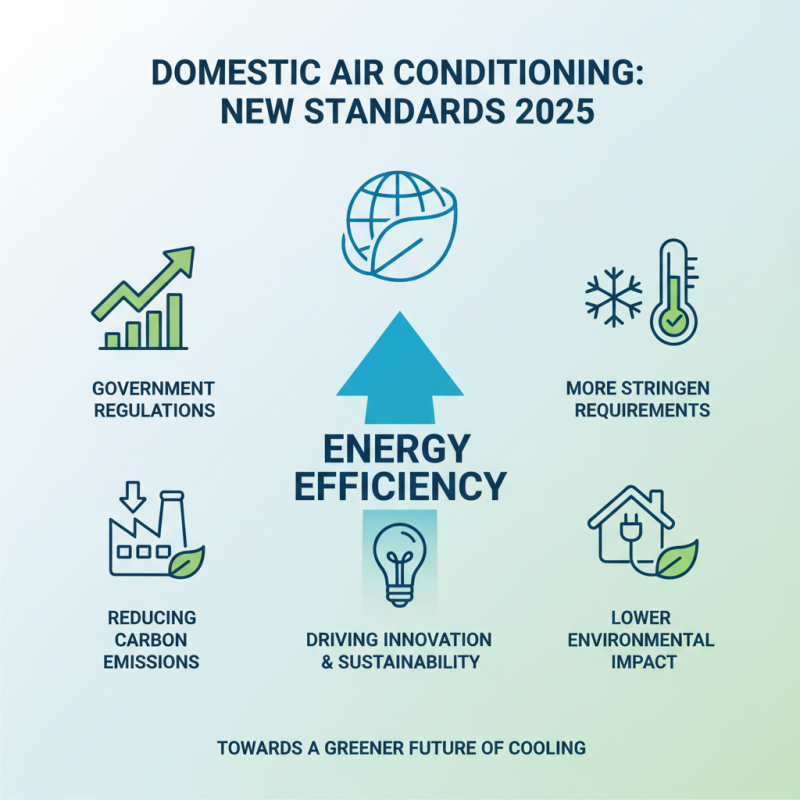
As we approach 2025, the landscape of domestic air conditioning is being significantly shaped by new energy efficiency standards and regulations. Governments worldwide are increasingly focusing on reducing carbon emissions and promoting sustainability, leading to more stringent requirements for air conditioning units. These regulations aim to encourage manufacturers to adopt innovative technologies that enhance energy efficiency, thereby reducing the overall environmental impact of cooling systems.
Compliance with these evolving standards will be crucial for both manufacturers and consumers. Homeowners will likely see a shift towards equipment that not only complies with regulatory measures but also integrates smart technology to optimize energy usage. Features such as variable speed compressors and advanced refrigerants are expected to become more common, enabling systems that can adjust their cooling capacity based on real-time conditions. Understanding and embracing these changes will be essential for consumers looking to invest in air conditioning solutions that are both efficient and environmentally friendly.
As we approach 2025, the integration of smart home technology within domestic air conditioning systems is set to redefine comfort and efficiency in our living spaces. The growing trend toward automation is largely driven by consumers' increasing demand for energy efficiency and convenience. According to a recent report by MarketsandMarkets, the global smart HVAC (Heating, Ventilation, and Air Conditioning) systems market is projected to grow from $14.8 billion in 2023 to $30.4 billion by 2028, indicating a compound annual growth rate (CAGR) of 15.6%. This surge highlights the shift towards more intelligent systems that not only optimize temperature control but also adapt to users' behaviors and preferences.
Emerging technologies, such as IoT (Internet of Things) and AI (Artificial Intelligence), are at the forefront of this transformation. Smart air conditioning units can now learn from user interactions and adjust settings automatically, providing a tailored environment that can lead to up to a 30% reduction in energy consumption, as reported by Energy Star. Integrating voice-activated home assistants allows users to control air conditioning remotely, enhancing the user experience. Furthermore, smart systems can provide insights through data analytics, enabling homeowners to make informed decisions about energy use and maintenance, ultimately prolonging the lifespan of their systems and increasing efficiency. This automation and integration of air conditioning within the smart home framework marks a significant shift towards sustainable living.
The air conditioning industry is poised for significant changes by 2025, particularly regarding sustainability and eco-friendly refrigerants. With rising global temperatures and increasing energy costs, both consumers and manufacturers are prioritizing systems that reduce environmental impact. According to a report from the International Energy Agency (IEA), the use of greenhouse gas (GHG) emissions in HVAC systems constitutes a substantial portion of global emissions, prompting a shift towards refrigerants with lower global warming potential (GWP). By focusing on natural refrigerants like R-290 and R-744, many AC manufacturers are making strides in developing systems that comply with stricter regulations while still providing effective climate control.
Incorporating sustainability practices within air conditioning systems is not just about the choice of refrigerants, but also the overall energy efficiency of the equipment. Data from the U.S. Department of Energy indicates that energy-efficient AC systems can reduce energy consumption by up to 30%, which translates to both financial savings for users and a lower carbon footprint. As technology advances, smart thermostats and zoned heating and cooling solutions are also becoming more commonplace, allowing for greater control over energy use and enhancing the overall efficiency of HVAC systems.
Tips: When considering a new air conditioning system, look for the ENERGY STAR label, which signifies products meeting strict energy efficiency criteria. Regular maintenance of your AC system can also significantly extend its lifespan and improve energy efficiency. Additionally, ensure your home is well-insulated, as this can drastically reduce the workload on your air conditioning system, further contributing to sustainability efforts.
This chart illustrates the increasing adoption of eco-friendly refrigerants and sustainability practices in domestic air conditioning systems projected for 2025. The data reflects a significant shift towards environmentally responsible solutions.
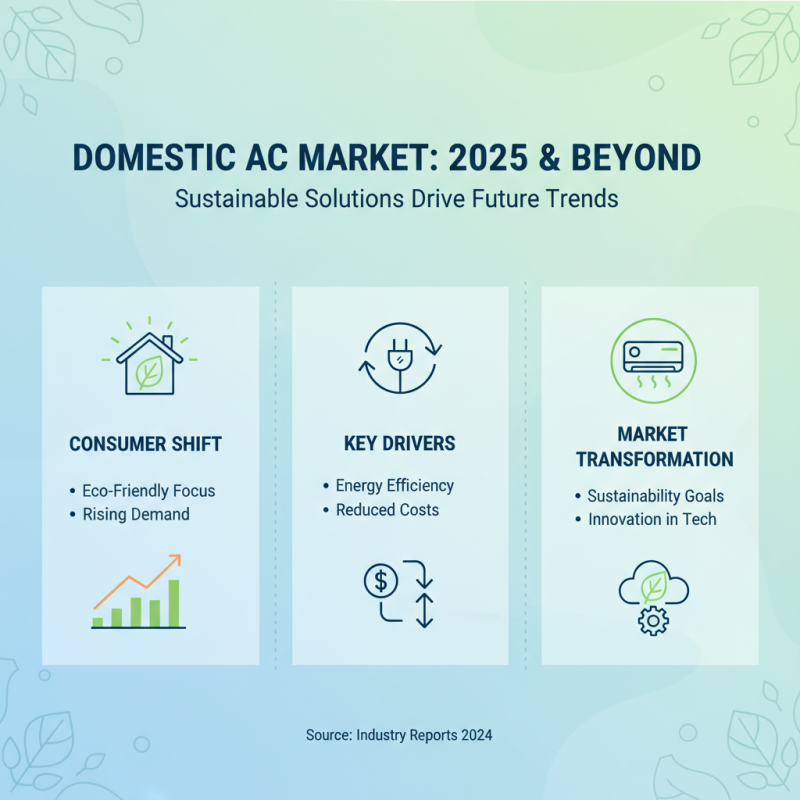
As we head towards 2025, the domestic air conditioning market is poised for significant transformations driven by evolving consumer preferences and growing demand. Recent studies indicate that environmentally-friendly solutions are becoming increasingly important to consumers. This trend is reflected in the rising interest in energy-efficient models that not only reduce operational costs but also align with sustainability goals.
It's essential for homeowners to consider these preferences when selecting air conditioning systems. Tips for making informed decisions include researching the SEER (Seasonal Energy Efficiency Ratio) ratings of units available in the market and comparing the long-term savings associated with various models. Additionally, it’s wise to evaluate smart home compatibility to enhance energy management and comfort levels.
Moreover, consumer demand is increasingly focused on convenience and advanced technology features, such as Wi-Fi capabilities and app controls for remote management. Homeowners should prioritize systems that integrate seamlessly with their daily lives. To stay updated with these trends, consider regularly consulting professional reviews and market analyses to ensure that your investment aligns with future developments in air conditioning technology.