What is Air Conditioning Systems? Types, Benefits, and How They Work
Air conditioning systems have become an integral part of modern life, providing comfort and enhancing productivity in residential and commercial spaces alike. Dr. Sarah Whitmore, a leading expert in HVAC technologies, states, "Effective air conditioning systems not only regulate temperature but also improve indoor air quality, ensuring a healthier environment." With rising global temperatures and increasing urbanization, understanding the various types of air conditioning systems, their benefits, and how they work is crucial for both homeowners and businesses.
In this introductory exploration, we will delve into the different types of air conditioning systems available on the market, from central systems to portable units, each designed to meet specific needs. We'll also highlight the significant advantages these systems offer, such as energy efficiency and environmental sustainability. By comprehending the mechanics behind air conditioning systems, individuals can make informed decisions on which solutions best fit their circumstances, ultimately leading to a more comfortable and efficient indoor climate.

Overview of Air Conditioning Systems and Their Importance
Air conditioning systems play a vital role in maintaining comfortable indoor environments, particularly in regions with extreme temperatures. According to the U.S. Department of Energy, around 87% of U.S. households utilize some form of air conditioning, which illustrates the growing dependence on these systems to combat heat and humidity. Beyond comfort, air conditioning contributes significantly to health by improving indoor air quality, thus reducing the risk of heat-related illnesses and respiratory issues. Properly functioning air conditioning systems can filter pollutants, allergens, and other harmful particles, creating a safer living space.
One notable benefit of air conditioning systems is their energy efficiency improvements. The American Society of Heating, Refrigerating, and Air-Conditioning Engineers (ASHRAE) emphasizes that modern air conditioning units can reduce energy consumption by up to 50% compared to older models. This not only helps in lowering utility bills but also aids in lessening environmental impact.
Tip: Routine maintenance, including changing filters and cleaning coils, can enhance the efficiency of an air conditioning system and extend its lifespan. Homeowners are advised to schedule professional inspections at least once a year to ensure optimal performance.
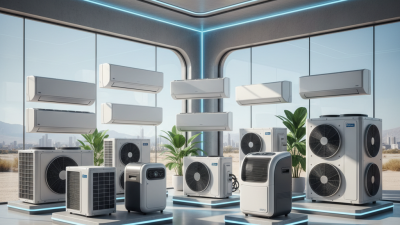
Another key aspect is the variety of air conditioning systems available. From window units to central air conditioners and ductless systems, each type offers unique advantages based on space, cost, and efficiency. Understanding the specific needs of a home or building can help in choosing the right system for maximum comfort and effectiveness.
Tip: When selecting an air conditioning unit, consider the Seasonal Energy Efficiency Ratio (SEER) rating; a higher SEER indicates better energy efficiency, leading to lower operational costs over time.
Different Types of Air Conditioning Systems Explained
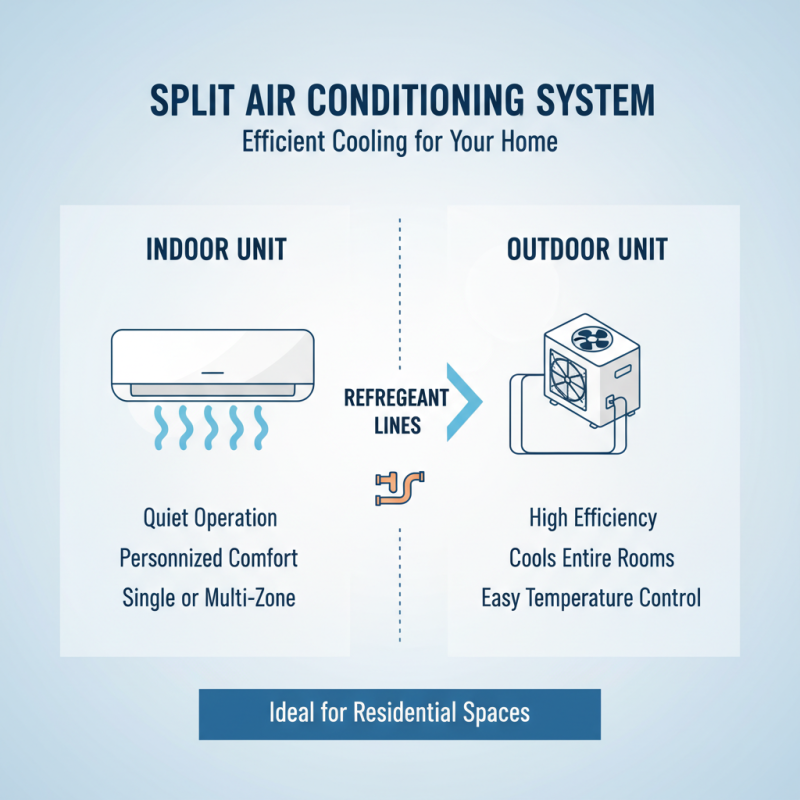
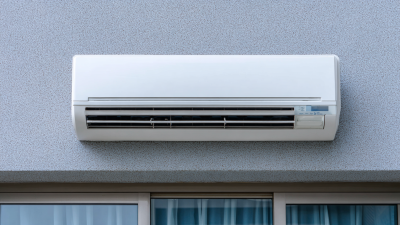
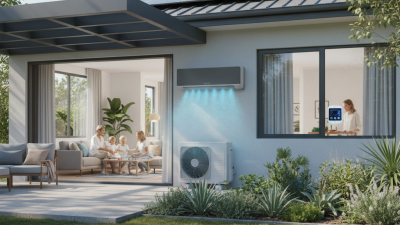
Air conditioning systems come in various types, each designed to cater to different cooling needs and environments. The most common type is the split air conditioning system, which consists of an indoor unit and an outdoor compressor. This system is favored for its efficiency and quiet operation, making it ideal for residential spaces where comfort is a priority. Split systems can easily adjust temperature settings and are suitable for single rooms or multi-zone applications, allowing personalized climate control.
Another popular type is the central air conditioning system, which is often used in larger buildings or homes. It works by circulating cool air through a system of ducts that reach every room, providing uniform cooling throughout. Central air conditioning systems are particularly beneficial for their ability to handle multiple rooms at once, effectively reducing energy costs through centralized operation. Additionally, there are portable and window air conditioners, which are excellent for temporary or supplemental cooling in specific areas. Portable units offer flexibility, while window units are a cost-effective solution for smaller spaces without ductwork. Each type of air conditioning system has its own advantages, tailored to meet specific cooling requirements and preferences.
Key Benefits of Using Air Conditioning in Various Settings
Air conditioning systems provide numerous benefits across various settings, enhancing comfort and promoting well-being. In residential environments, air conditioning not only regulates indoor temperatures but also improves air quality by filtering out pollutants and allergens. This is particularly beneficial for individuals with respiratory issues, as a controlled climate can alleviate symptoms and promote healthier living conditions. Additionally, having air conditioning in homes increases property value and can make spaces more enjoyable for family gatherings or relaxation.
In commercial settings, the advantages of air conditioning are equally significant. It creates a conducive working environment, which can enhance employee productivity and morale. Comfortable temperatures contribute to fewer distractions, allowing employees to focus better on their tasks. Moreover, air conditioning can protect sensitive equipment and inventory from heat-related damages, ensuring that businesses operate efficiently. Establishments such as restaurants and retail stores thrive on customer comfort; therefore, maintaining an appealing atmosphere through effective air conditioning can lead to increased patronage and satisfaction.
Benefits of Air Conditioning Systems in Various Settings
Basic Mechanisms: How Air Conditioning Systems Function
Air conditioning systems are essential for maintaining indoor comfort, especially during hot weather. At their core, these systems operate on basic principles of thermodynamics, utilizing the refrigeration cycle to remove heat and humidity from the air. The key components of an air conditioning system include a compressor, condenser, evaporator, and expansion valve. The compressor circulates refrigerant through the system, compressing it into a high-pressure gas that moves to the condenser. Here, the gas releases heat and transforms into a liquid. The liquid refrigerant then flows to the evaporator, where it absorbs heat from indoor air, cooling it down before returning to the compressor to repeat the cycle.
Tips: Regular maintenance of your air conditioning system can significantly enhance its efficiency. Change or clean the air filters monthly to ensure clean airflow and prevent strain on the system. Additionally, consider scheduling professional inspections at least once a year to keep all components in optimal condition.
Understanding how these systems work allows homeowners to utilize them effectively. By implementing programmable thermostats, you can optimize energy consumption, ensuring your space remains comfortable while minimizing energy costs. Setting your thermostat a few degrees higher during the summer can also lead to substantial savings while still enjoying a cool environment.
Maintenance and Care Tips for Efficient Air Conditioning Systems
Regular maintenance and care of air conditioning systems are crucial for ensuring their efficiency and longevity. According to the U.S. Department of Energy, proper maintenance can improve the efficiency of air conditioning units by up to 15%. Routine tasks such as replacing or cleaning filters every 1-3 months can significantly enhance airflow and reduce the load on the system. Filters that are clogged or dirty can cause the system to work harder, leading to increased energy consumption and potentially higher utility bills.
Additionally, checking the refrigerant levels and cleaning the coils are essential practices that can further enhance system performance. The American Society of Heating, Refrigerating and Air-Conditioning Engineers (ASHRAE) recommends having a professional inspection at least once a year to ensure the system runs smoothly. This not only helps prevent unexpected breakdowns but also extends the lifespan of the unit. Moreover, regular maintenance activities can help identify minor issues before they escalate into costly repairs, promoting an overall healthier indoor air environment.
What is Air Conditioning Systems? Types, Benefits, and How They Work - Maintenance and Care Tips for Efficient Air Conditioning Systems
| Type of Air Conditioning System |
Benefits |
How They Work |
Maintenance Tips |
| Central Air Conditioning |
Efficient cooling for entire homes, lower energy costs. |
Uses a system of ducts to distribute cooled air throughout the home. |
Change filters regularly, schedule annual professional maintenance. |
| Ductless Mini-Split |
Flexible zoning, no ductwork required, energy efficient. |
Uses an outdoor compressor and indoor air-handling units for targeted cooling. |
Clean the air filters monthly, ensure outdoor units are clear of debris. |
| Window Air Conditioner |
Cost-effective for small spaces, easy to install. |
Cools a single room using refrigeration technology. |
Remove and clean filters regularly, check for air leaks. |
| Portable Air Conditioner |
Versatile and easy to move, ideal for temporary cooling needs. |
Use an exhaust hose to vent hot air outside while cooling the room. |
Empty water tank, clean filters for optimal operation. |