Best Residential Air Conditioning Systems for Optimal Comfort?

When considering the best residential air conditioning systems, comfort is a primary concern. In the United States, nearly 90% of homes have air conditioning. This significant figure highlights the importance of selecting the right system. According to the U.S. Department of Energy, efficient systems can save homeowners around 20% on utility bills.

Many choices exist in the market. Systems like central air conditioning, ductless units, and window units each offer distinct advantages. However, not every type will suit every home layout or climate. The efficiency ratings of these systems often vary, with SEER (Seasonal Energy Efficiency Ratio) being a critical measure. A higher SEER rating implies better efficiency, but systems that are overly specialized may lead to discomfort if not correctly sized for the home.

While popular brands dominate the industry, it’s essential to evaluate local climate needs. Some systems may not perform optimally in extreme temperatures. Homeowners often overlook maintenance; neglect can reduce system performance. Balancing cost and efficiency is tricky, yet it pays off long-term. Choosing the right residential air conditioning system can lead to a perfect balance of comfort and savings.
Best Residential Air Conditioning Systems for Optimal Comfort?

Overview of Residential Air Conditioning Systems
Best Residential Air Conditioning Systems for Optimal Comfort?

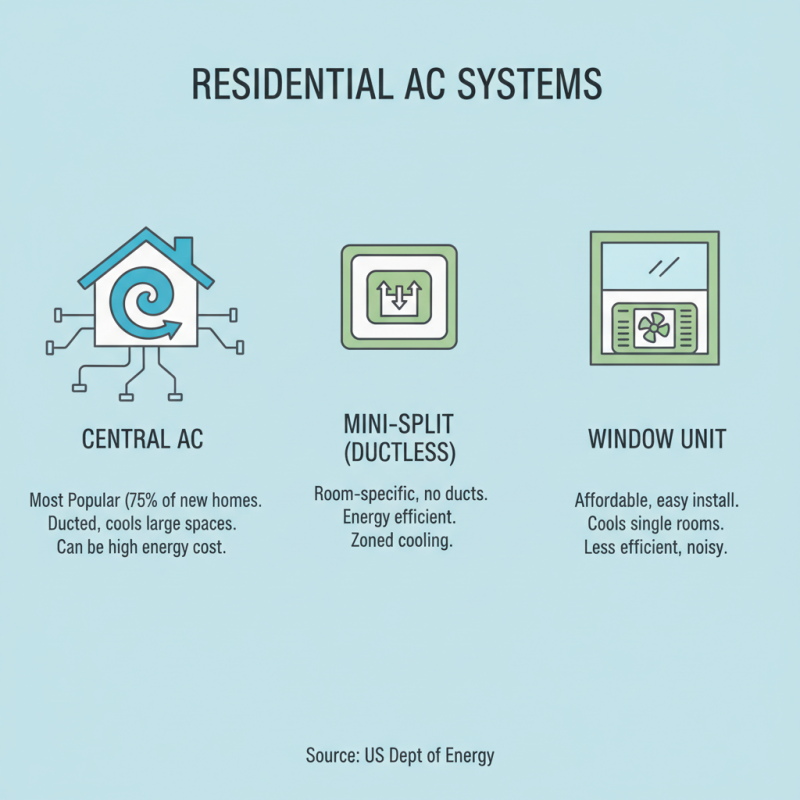
When considering residential air conditioning systems, understanding the different types available is crucial for optimal comfort. Central air conditioning remains the most popular choice, as reported by the U.S. Department of Energy, cooling about 75% of new homes today. These systems circulate cool air through ductwork and are efficient for larger spaces. However, they can also lead to high energy costs if not maintained properly.

Mini-split systems are gaining traction, particularly in homes without ductwork. They offer flexibility, allowing for individual room temperature control. According to recent studies, mini-splits can use up to 30% less energy than central systems. This can significantly reduce utility bills. Yet, installation can be complex. Homeowners should consider the layout before opting for this system.

**Tip:** Regular maintenance is key. Check air filters monthly. Clean them or replace them every three months to ensure efficient airflow.

Another option, window units, are effective for single rooms. They are usually less expensive and easy to install. However, they lack the efficiency of central and mini-split systems. Homeowners may find themselves facing higher costs over time due to inadequate cooling.

**Tip:** Ensure proper window sealing to enhance efficiency. An improperly sealed unit can waste energy and increase bills unexpectedly.
Types of Air Conditioning Systems: Pros and Cons

Best Residential Air Conditioning Systems for Optimal Comfort?

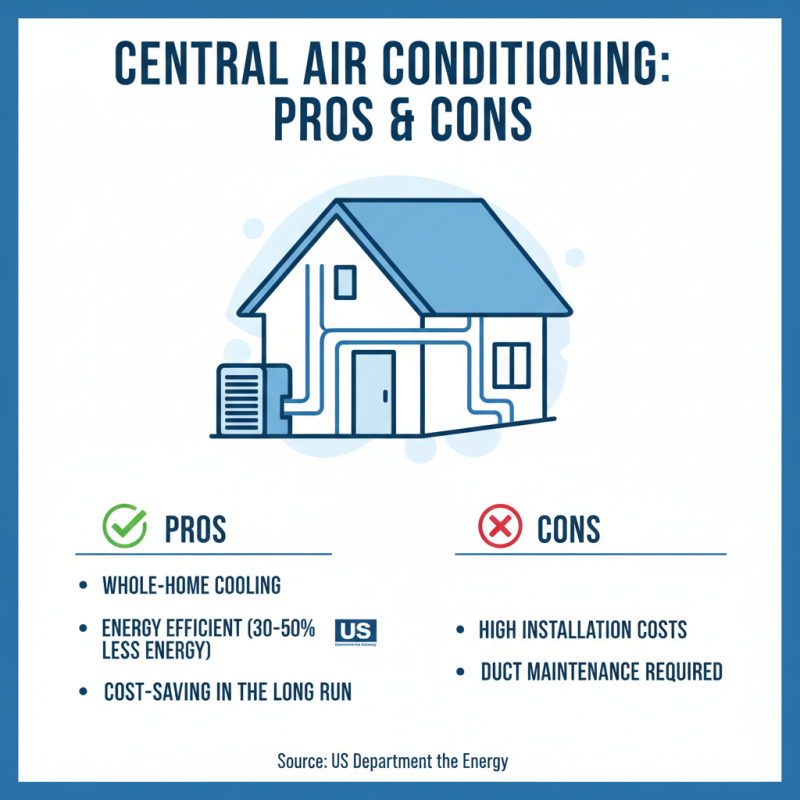
Air conditioning systems come in various types, each with its unique advantages and drawbacks. Central air systems, for instance, provide even cooling throughout a home. They are efficient, especially during hot months. According to the U.S. Department of Energy, well-maintained central air can use 30-50% less energy than other systems. However, installation costs can be high, and duct maintenance is essential.

Ductless mini-split systems offer flexibility and efficiency. They allow for zoned cooling, which can minimize energy waste. On average, homeowners can save about 20% on energy bills by using these systems. Yet, the price tag for installation can be steep, which may deter some buyers. It's also worth noting that improper installation can lead to inefficiencies.

Tips: Consider zoning your home. This strategy can help to allocate cooling effectively. Regular maintenance is crucial; dirty filters and coils can increase your energy consumption significantly. Evaluate your local climate when choosing a system. Sometimes, the most efficient choice might not be the most affordable upfront. Reflect on your long-term needs and costs before making a decision.

Key Features to Consider for Optimal Comfort

When choosing air conditioning systems for residential comfort, several key features matter. Energy efficiency is crucial. Look for systems with high SEER ratings. These systems save on electricity bills and reduce environmental impact. Additionally, consider noise levels. Some units operate quietly. A peaceful environment enhances relaxation at home.

The size of the air conditioning system is another essential factor. A unit too small won't cool effectively, while one too large can lead to uneven temperatures. Proper sizing ensures optimal performance. Features like programmable thermostats also add convenience. They allow users to set schedules, maximizing comfort when needed.

Finally, installation and maintenance cannot be overlooked. An improperly installed system may struggle with efficiency. Regular maintenance prolongs the lifespan of the unit and maintains its performance. It’s vital to address these aspects. Overlooking them may result in discomfort and higher costs.

Best Residential Air Conditioning Systems for Optimal Comfort

This chart illustrates key features that are important when considering residential air conditioning systems. The data includes energy efficiency rates, cooling capacities, noise levels, average prices, and warranty periods. These factors can significantly enhance the comfort in your home.

Energy Efficiency Ratings and Their Importance

Energy efficiency ratings are vital when choosing air conditioning systems for residential comfort. These ratings indicate how much cooling a system provides per unit of energy consumed. According to the Department of Energy, units with higher ratings can save consumers 20-40% on energy bills. A unit with a Seasonal Energy Efficiency Ratio (SEER) of 16 consumes significantly less electricity than one with a SEER of 13.

Moreover, understanding energy efficiency can help homeowners make sustainable choices. Many consumers still overlook these ratings during their purchases. Ignoring them might lead to higher usage costs and environmental impact. A report from the Environmental Protection Agency suggests that replacing an old, inefficient unit can reduce greenhouse gas emissions substantially. Choosing an energy-efficient system is not just a cost-saving move; it’s a step towards a greener planet. Yet, some consumers still hesitate.

It’s important to assess both comfort and efficiency. Sometimes, people prioritize upfront costs over long-term savings. This mindset can lead to regrettable decisions. Properly evaluating energy efficiency ratings can ensure comfort without excessive financial strain. Engaging with these ratings is essential for responsible purchasing. The right air conditioning choice ultimately contributes to a sustainable future.

Best Residential Air Conditioning Systems for Optimal Comfort

Model Cooling Capacity (BTU) Energy Efficiency Ratio (EER) Seasonal Energy Efficiency Ratio (SEER) Price Range
Model A 24000 12 16 $3,000 - $3,500
Model B 18000 11 15 $2,500 - $3,000
Model C 30000 13 18 $3,800 - $4,300
Model D 15000 10 14 $2,000 - $2,500
Model E 20000 12 17 $2,800 - $3,200

Maintenance Tips for Prolonging Air Conditioning System Life

Maintaining your air conditioning system is crucial for optimal performance and longevity. Regular cleaning of filters is essential. Dirty filters restrict airflow, making your unit work harder. This can lead to higher energy bills. Check filters every month. Replace them as needed. Simple maintenance tasks can make a big difference.

Additionally, keep the outdoor unit clear of debris. Leaves and dirt can obstruct airflow. Trim back plants and bushes. Ensure the area around the unit is clean and open. Inspect the unit periodically for any signs of wear. This proactive approach can prevent unexpected breakdowns and costly repairs.

Don’t overlook the importance of professional inspections. An expert can spot issues that you might miss. Scheduling annual maintenance checks can lead to better efficiency. It may also help extend the lifespan of the system. Remember, a little effort goes a long way in preserving comfort at home. Neglect might lead to expensive surprises later on.