10 Best Residential Air Conditioning Installation Tips for Homeowners

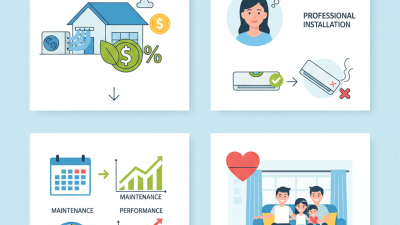
When it comes to residential air conditioning installation, expertise is crucial. According to John Smith, a leading HVAC technician with over 15 years of experience, “Proper installation is key to maximizing efficiency and comfort.” Homeowners often overlook the importance of careful planning and execution.

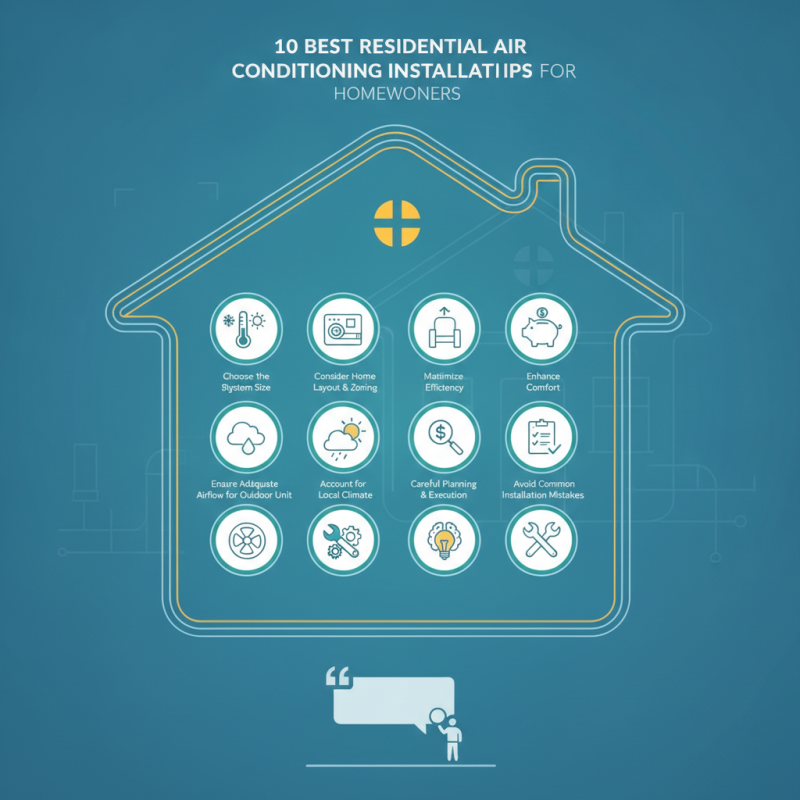
Choosing the right system isn’t just about brand preference. It involves understanding your home’s unique needs. Factors like size, layout, and local climate play significant roles in the installation process. Neglecting these variables can lead to inefficient cooling or increased energy bills.

Proper installation also requires attention to detail. For instance, ensuring the outdoor unit has adequate airflow can prevent future issues. Homeowners should consider who they trust for this crucial task. An experienced professional can make a significant difference. Reflecting on common mistakes will help you make an informed choice when embarking on your residential air conditioning installation journey.
10 Best Residential Air Conditioning Installation Tips for Homeowners

Understanding Your Home's Cooling Needs Before Installation

Before installing a residential air conditioning system, it's crucial to understand your home's unique cooling needs. Each house is different. Factors such as size, layout, and insulation play a vital role. A small, well-insulated home may require less cooling capacity than a larger, drafty one. Assess your space accurately. This helps avoid over or under-sizing your system, which can lead to inefficiency.

Consider the number of windows and the orientation of your home. Sunlight can significantly affect temperatures, especially in summer. Bedrooms might need more cooling if they face west and receive afternoon sun. Evaluate how many people typically occupy your home. More occupants generate heat, increasing cooling requirements. Think about your lifestyle, too. Do you work from home? Additional cooling may be essential during busy hours.

Don’t forget about humidity levels in your area. High humidity can make hot days feel even warmer. A system that removes excess moisture can improve comfort. You might reflect on your past experiences with cooling systems and identify what worked and what didn’t. This introspection can guide you toward a more suitable installation approach, ensuring your home remains a comfortable refuge during the heat of summer.
Choosing the Right Type of Air Conditioning System for Your Home

10 Best Residential Air Conditioning Installation Tips for Homeowners

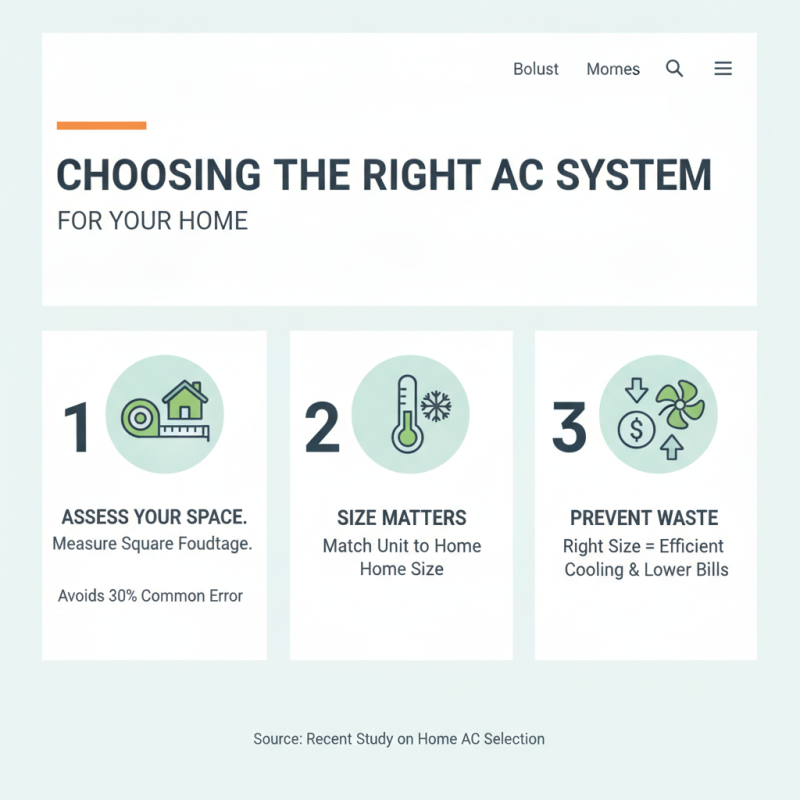
When selecting an air conditioning system for your home, begin by assessing your space. A recent study indicates that approximately 30% of homeowners fail to evaluate their square footage accurately. Knowing the size of your home ensures you choose an appropriately sized unit. An oversized unit can lead to inefficient cooling and higher energy bills.

Consider the type of air conditioning systems available. There are central systems, ductless mini-splits, and window units, each with its pros and cons. According to the U.S. Department of Energy, central air conditioning typically achieves an efficiency rating of around 14 SEER (Seasonal Energy Efficiency Ratio). In contrast, ductless systems may offer up to 25 SEER, providing significant energy savings over time.

Tip: Evaluate your home's insulation before installation. Poor insulation affects overall cooling efficiency. Another crucial factor is energy efficiency ratings. Investing in a high SEER-rated system might cost more upfront but can save you money in the long run. Ensure the technician conducts a load calculation to confirm your choice is optimal. Choosing the right system involves considering long-term comfort and operational costs.

Essential Factors to Consider When Selecting an Installation Contractor

When selecting an installation contractor for residential air conditioning, experience is crucial. A contractor with years in the field understands various systems and local climate demands. Ask about their experience with different air conditioning types. Look for contractors who have completed similar projects successfully. This can significantly affect the quality of installation.

Professional certifications add credibility. Many reliable contractors hold industry certifications. These signify a commitment to ongoing training and adherence to best practices. Do not hesitate to request proof of these credentials. Reviews and testimonials from past clients provide valuable insights. Delve into online ratings and ask around in your community.

Communication matters as well. A good contractor listens to your needs and addresses your concerns. Their responsiveness reflects how they will handle your project. If they disappear after the initial quote, that’s a red flag. Typically, a professional contractor will not pressure you into quick decisions. This indicates they value building trust over just making sales. Be cautious and trust your instincts during the selection process.

Residential Air Conditioning Installation Tips Analysis

Step-by-Step Guide to Preparing Your Home for Installation Day

Preparing your home for air conditioning installation day requires careful planning. Start by clearing the area around your existing system. Move any furniture or obstructions. This makes it easier for technicians to work without any hindrance. Also, ensure your driveway is accessible. Equipment trucks will need space to park and unload.

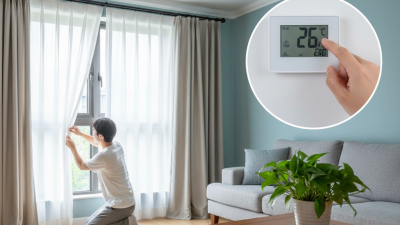
Check your home's windows and doors. Sealing any leaks helps improve efficiency post-installation. Consider turning off power to your HVAC system. This step is crucial for safety. You might also want to maintain a comfortable indoor temperature by closing curtains or blinds.

Communicate clearly with your installation team. Share any concerns about your home’s layout. A good installation might reveal flaws in your home's design. Stay flexible, as last-minute adjustments can happen. This openness fosters a smoother installation experience. Understanding these details can help ensure a better outcome.

10 Best Residential Air Conditioning Installation Tips for Homeowners

Tip Number Tip Details
1 Choose the Right Size Ensure your air conditioner is appropriately sized for your space.
2 Evaluate Your Home's Insulation Check and improve insulation to enhance efficiency.
3 Select a Proper Location Choose a location with adequate airflow and shade.
4 Prepare the Installation Area Clear the area for installation and ensure easy access.
5 Check for Permits Verify local regulations for necessary permits.
6 Communicate with Installers Discuss your needs and preferences with installation professionals.
7 Consider Upgrades Think about additional features like smart thermostats.
8 Review Maintenance Plans Inquire about ongoing maintenance services and plans.
9 Plan for the Installation Day Set a schedule with the installers and prepare your home.
10 Post-Installation Checklist Inspect the installation and ensure proper functioning.

Tips for Maintaining Your Air Conditioning System Post-Installation

10 Best Residential Air Conditioning Installation Tips for Homeowners

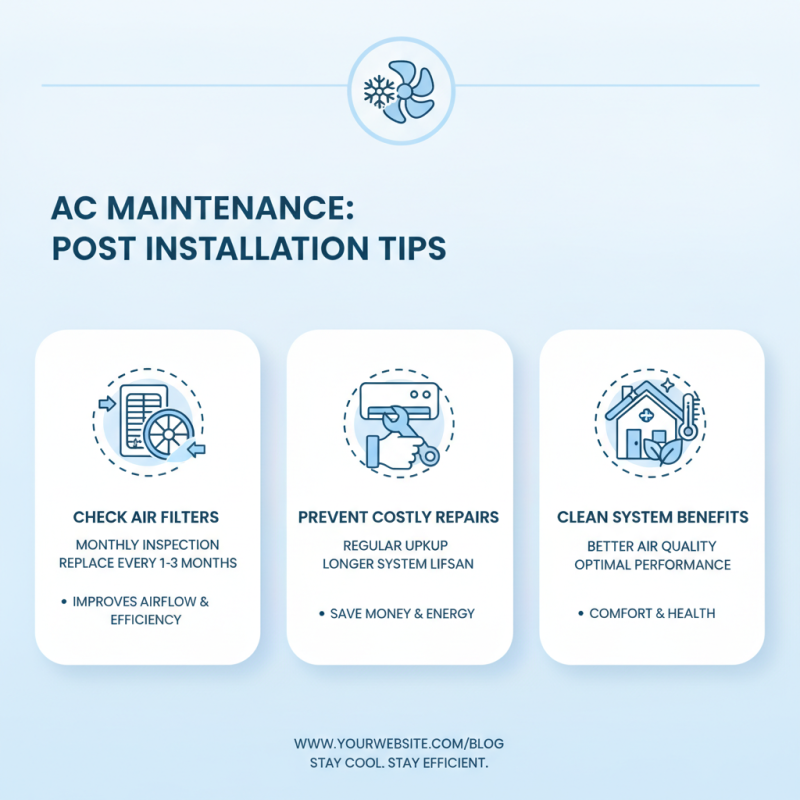
Maintaining your air conditioning system after installation is crucial for its longevity and efficiency. Regular maintenance helps prevent costly repairs down the line. Start by inspecting the air filters monthly. Clogged filters reduce airflow and can lead to system failure. Replace them every 1-3 months based on usage and environmental factors. Keeping your filters clean is a simple step that yields great benefits.

Next, focus on cleaning the outdoor condenser unit. Remove debris, leaves, and dirt buildup regularly. This ensures that the system has adequate airflow. Trim surrounding plants to keep at least two feet of clear space around the unit. Additionally, consider scheduling professional maintenance at least once a year. A technician can perform a thorough inspection, identify potential issues, and tune up your system for optimal performance.

Lastly, monitor your energy bills for unexpected spikes. Such changes can indicate underlying problems. If you notice unusual sounds or smells from the unit, don’t ignore them. These can be signs that something is wrong. Reflecting on these maintenance habits can enhance your air conditioning system’s reliability and efficiency.