How to Choose the Right Air Conditioning Systems and Services for Your Home

Choosing the right air conditioning systems and services for your home is crucial for ensuring comfort, efficiency, and long-term satisfaction. According to the U.S. Department of Energy, heating and cooling account for nearly 50% of the energy use in a typical U.S. home, which underscores the importance of selecting an efficient system and reliable services. In 2022, the global air conditioning market was valued at approximately $142 billion, projected to expand further as homeowners increasingly prioritize not just the initial purchase but also the operational efficiency and maintenance services that accompany these systems.

Experts in the field emphasize the importance of tailored solutions. Dr. Emily Roberts, a renowned expert in HVAC technologies, states, "Investing in the right air conditioning systems and services air conditioning not only enhances comfort but also significantly reduces energy costs." As homeowners embark on the journey of finding the ideal system, understanding the various options available and the specialized services that can complement their choice is essential. This includes considering factors such as system type, energy efficiency ratings, and the qualifications and reputation of service providers. By addressing these elements, homeowners can make informed decisions that align with their needs and budget while maximizing the benefits of their air conditioning systems.

How to Choose the Right Air Conditioning Systems and Services for Your Home

Understanding Different Types of Air Conditioning Systems Available
How to Choose the Right Air Conditioning Systems and Services for Your Home

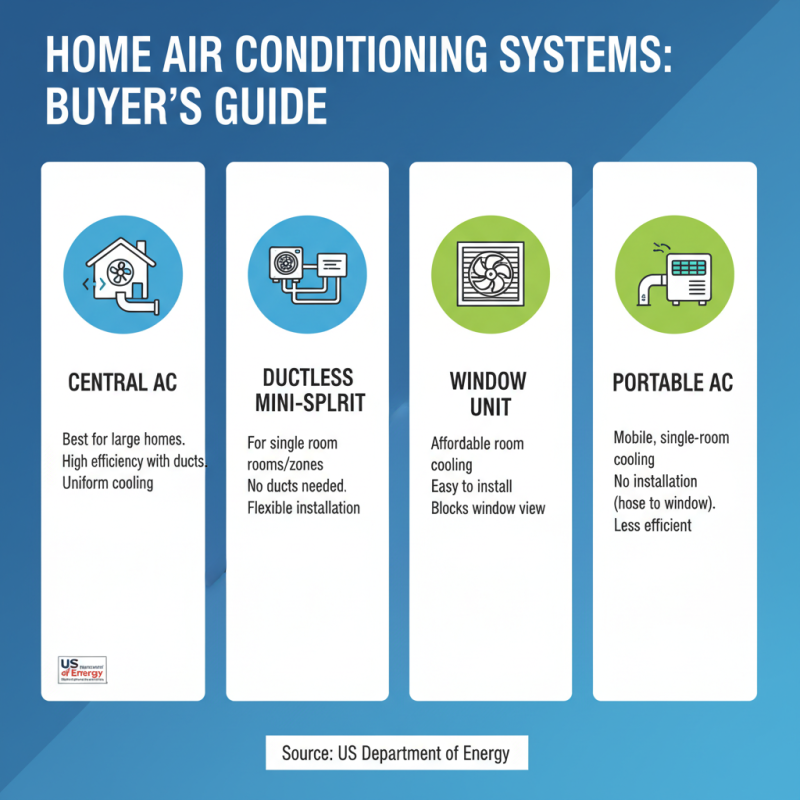
When selecting an air conditioning system for your home, it's crucial to understand the various types available. The most common options include central air conditioning, ductless mini-split systems, window units, and portable air conditioners. According to the U.S. Department of Energy, central air conditioning units are typically the most effective for cooling large spaces, offering greater efficiency when integrated into an existing ductwork system. They work by circulating cool air through a system of supply and return ducts, which significantly enhances temperature control throughout the home.

Ductless mini-split systems have gained popularity due to their flexibility and ease of installation. A report by the Air-Conditioning, Heating, and Refrigeration Institute (AHRI) indicates that these systems can achieve energy efficiency ratings (EER) between 15 and 30, making them an excellent option for homes without ductwork. Additionally, window units remain a budget-friendly choice, particularly for single rooms, providing a quick and efficient cooling solution. Portable air conditioners also offer convenience for renters or those needing temporary cooling solutions; however, they typically have lower energy efficiency than other types and may not be suitable for extensive use.

Understanding these options can significantly impact your comfort levels and energy bills. The choice you make should be tailored to your home’s size, layout, and your family's specific cooling needs, taking into account factors like energy efficiency ratings to ensure optimal performance and cost-effectiveness. A strategic selection process will ultimately lead to better indoor air quality and a more comfortable living environment.
Key Factors to Consider When Choosing an Air Conditioner for Your Home

How to Choose the Right Air Conditioning Systems and Services for Your Home

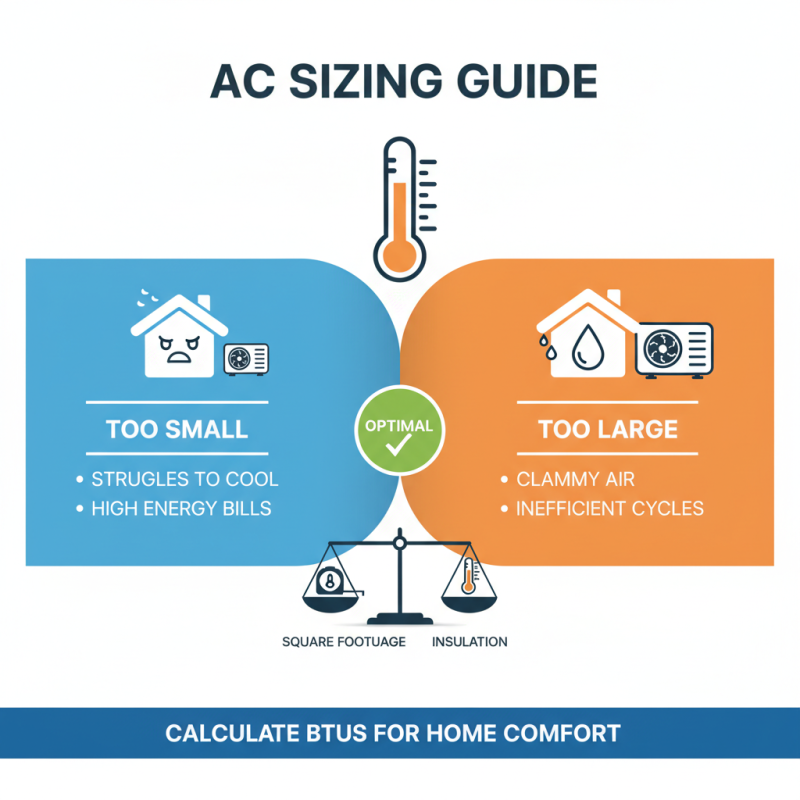
When selecting an air conditioner for your home, one of the most critical factors to consider is the size of the unit. An air conditioner that is too small for your space will struggle to cool effectively, leading to higher energy bills and potential wear on the system. Conversely, an oversized unit may cool the air too quickly without properly dehumidifying, resulting in a clammy indoor environment. It is essential to perform a careful calculation of the required BTU (British Thermal Units) based on your home's square footage, ceiling height, and insulation levels to ensure optimal performance.

Another key aspect to evaluate is energy efficiency. Look for units that feature high SEER (Seasonal Energy Efficiency Ratio) ratings, as these systems use less energy to cool the home, reducing your overall utility costs. Additionally, consider the type of air conditioning system that best fits your needs, whether it's a central system, ductless mini-split, or window unit. Each type has its benefits and drawbacks depending on your home's layout, existing ductwork, and cooling requirements. Assessing your specific needs, including budget, installation space, and energy efficiency, will guide you in making an informed choice that enhances your comfort while being mindful of energy consumption.

Assessing Home Size and Insulation for Optimal AC Unit Selection

When selecting an air conditioning system for your home, it’s essential to evaluate the size of your living space and the quality of insulation. A well-sized AC unit will adequately cool your home without wasting energy, while proper insulation helps maintain the desired temperature and reduces electricity bills. Measure your home’s square footage and consider the number of rooms, ceilings’ height, and windows before making a decision.

Tips: For optimal AC unit selection, consult with a professional to calculate the required BTUs (British Thermal Units) for your specific area. It’s generally recommended to have about 20 BTUs per square foot. Additionally, check the insulation quality in your home. If your insulation is lacking, upgrading it can significantly enhance cooling efficiency, further lowering your energy costs.

Another vital aspect is to assess the orientation and climate conditions of your home. Homes with more windows facing the sun may require more robust cooling solutions. Take into account any shading elements like trees or neighboring buildings that can help in reducing heat gain. Properly analyzing these factors can lead to a more effective and efficient air conditioning system that meets your home’s needs.

Tips: Insulate windows with reflective film or use blackout curtains during the hottest parts of the day to keep indoor spaces cooler, which can lessen the strain on your air conditioning unit.

Importance of Energy Efficiency Ratings in Air Conditioning Units

When selecting an air conditioning system for your home, understanding the energy efficiency ratings is paramount. Energy efficiency is typically measured using the Seasonal Energy Efficiency Ratio (SEER), which reflects the cooling output during a typical cooling season divided by the total electric energy input. According to the U.S. Department of Energy, units with a SEER rating of 14 or higher are generally considered to be energy efficient. Choosing a system with a high SEER rating can significantly reduce your electricity bills, as these units use less energy to provide the same level of comfort.

Moreover, recent studies indicate that households that invest in high-efficiency air conditioning systems can save anywhere from 20% to 50% on their cooling costs compared to those with lower-rated units. The environmental impact cannot be overlooked either; more energy-efficient units contribute to lower greenhouse gas emissions. The American Council for an Energy-Efficient Economy (ACEEE) reports that if every air conditioning unit sold in the U.S. met the ENERGY STAR standards, the national energy savings would equate to the output of more than 25 power plants and reduce greenhouse gas emissions by the equivalent of over 50 million cars on the road.

Incorporating energy efficiency ratings into your purchasing decisions not only translates to immediate savings but also promotes long-term benefits for both your wallet and the environment. Hence, prioritizing energy efficiency when choosing air conditioning systems is not merely an option; it is a responsible choice for forward-thinking homeowners.

Choosing Professional AC Installation and Maintenance Services

When it comes to installing and maintaining air conditioning systems, choosing professional services is crucial for ensuring efficiency and longevity. One of the first steps is to assess the qualifications of the technicians. Look for certifications that indicate training and expertise in handling various AC systems. This knowledge base is essential for accurate installation and troubleshooting. Additionally, consider the company's reputation. Reading customer reviews and testimonials can provide insight into their reliability and quality of service.

Another important factor to consider is the range of services they offer. A comprehensive AC service should include installation, regular maintenance, and emergency repairs. Regular maintenance is key to maximizing the lifespan of your system; it not only promotes energy efficiency but also helps prevent costly breakdowns. Make sure the professionals you choose offer maintenance packages that suit your needs. Furthermore, inquire about warranties and service guarantees, as these indicate that the company stands behind their work and is committed to customer satisfaction.

How to Choose the Right Air Conditioning Systems and Services for Your Home - Choosing Professional AC Installation and Maintenance Services

Criteria Details Importance Level
Energy Efficiency Ratio (EER) Higher EER means better efficiency and lower energy costs. High
System Type Choose between central AC, split systems, or window units based on your home layout. Medium
Cost of Installation Compare quotes from different service providers to find the best value. High
Warranty Look for comprehensive warranties that cover parts and labor. High
Maintenance Services Choose providers that offer regular maintenance to ensure system longevity. Medium
Customer Reviews Research customer feedback to gauge service quality and reliability. Medium
Energy Star Rating Choose systems that are Energy Star rated for optimal efficiency. High