How to Clean Air Conditioning Ducts for Optimal Performance

When it comes to maintaining an efficient air conditioning system, the importance of clean air conditioning ducts cannot be overstated. According to John Smith, an HVAC industry expert, “Clean ducts can significantly improve your system’s efficiency and indoor air quality.” When ducts are cluttered with dust and debris, airflow becomes restricted. This not only affects cooling performance but can also impact your health.

Regular cleaning of air conditioning ducts ensures optimal performance. Accumulated pollutants can exacerbate allergies and respiratory issues. Homeowners often overlook this aspect of HVAC maintenance, leading to less effective cooling and increased energy bills. As John Smith emphasizes, a clean air conditioning duct system is vital for a healthy living environment.

However, many struggle with the cleaning process. Some might even question if they need professional assistance. It’s essential to remember that neglecting your ducts can lead to bigger issues down the line. Maintaining clean air conditioning ducts should be a priority for every homeowner, no matter how inconvenient it might seem.
How to Clean Air Conditioning Ducts for Optimal Performance

Understanding the Importance of Clean Air Ducts for HVAC Efficiency

Clean air ducts play a crucial role in the efficiency of HVAC systems. Studies show that dirty ducts can reduce system efficiency by as much as 30%. Over time, dust, mold, and allergens accumulate in the ducts. This can lead to increased energy bills and health issues. Indoor air quality suffers when contaminants circulate through a home.

Regular cleaning of air ducts can improve airflow and energy efficiency. The National Air Duct Cleaners Association recommends a thorough cleaning every three to five years. This might seem excessive, but ignoring it can lead to bigger problems. A buildup of dust not only affects performance but also creates a breeding ground for bacteria.

Moreover, homes with pets or smokers may need more frequent cleanings. The presence of pet dander and smoke particles can clog ducts faster. Neglecting duct cleaning may result in unexpected repair costs. Property owners often overlook duct maintenance, but proactive cleaning can save money in the long run. It’s essential to recognize that clean ducts contribute significantly to a healthier home environment.
How Cleaning Air Conditioning Ducts Affects HVAC Efficiency

Cleaning your air conditioning ducts can significantly improve the efficiency of your HVAC system. As illustrated, the efficiency level before cleaning is approximately 65%, while after cleaning, it rises to about 90%. Regular maintenance leads to better air quality and lowers energy consumption.

Common Contaminants Found in Air Conditioning Ducts and Their Effects

How to Clean Air Conditioning Ducts for Optimal Performance

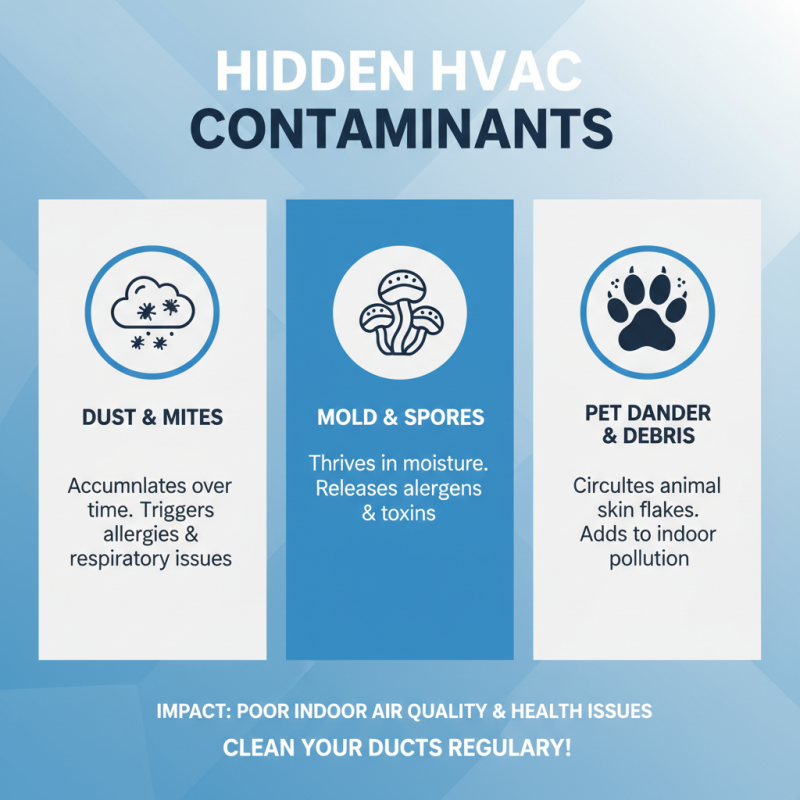
Air conditioning ducts can harbor various contaminants that affect air quality. Dust, mold, and debris often accumulate over time. Dust mites thrive in these environments, impacting respiratory health. Mold can release spores, causing allergic reactions and other health issues. Even pet dander can contribute to poor indoor air quality.

Cleaning ducts can mitigate these contaminants. However, it's not a perfect solution. Sometimes, remnants linger. Homeowners might overlook hidden mold patches or stubborn dust clumps. Regular maintenance can help, but it cannot eliminate all risks. Many forget to schedule inspections, allowing problems to persist unnoticed. The aim should be to reduce these contaminants while recognizing that complete removal might not be achievable.

Step-by-Step Process for Cleaning Air Ducts Effectively

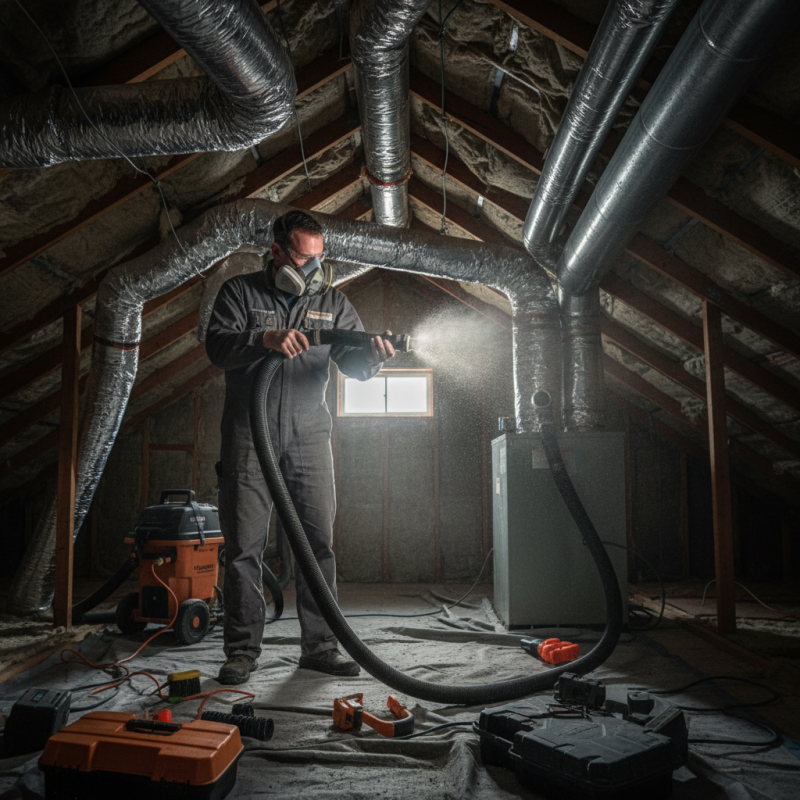
Cleaning air conditioning ducts is essential for maintaining optimal performance. The process isn't as simple as it seems. Before starting, gather the necessary tools. You’ll need a vacuum, a brush, and a flashlight. Ensure you have protective gear, such as gloves and a mask.

Begin by turning off the HVAC system to ensure safety. Remove the vent covers carefully. Dust and debris accumulate around these areas. It’s common to find grime that has been there for years. Use a vacuum to clean the inside of the ducts. A brush can help dislodge stubborn particles. Remember to check every corner. You may overlook smaller sections.

After cleaning, it’s wise to inspect the ducts for signs of damage. Cracks or leaks can affect airflow. These issues often go unnoticed until they worsen. If you encounter any problems, consider seeking professional help. This might feel like a tedious task, but neglecting air duct maintenance can lead to bigger headaches later. Stay proactive!

How to Clean Air Conditioning Ducts for Optimal Performance

Step Description Estimated Time Tools Needed
1 Turn off the HVAC system 5 minutes N/A
2 Remove vent covers 10 minutes Screwdriver
3 Vacuum the ducts 20 minutes Shop vacuum
4 Clean with a brush 15 minutes Duct brush
5 Wipe down vent covers 10 minutes Cloth, cleaning solution
6 Reattach vent covers 5 minutes Screwdriver
7 Turn on the HVAC system 5 minutes N/A

Recommended Tools and Products for Air Duct Cleaning

Cleaning air conditioning ducts is essential for keeping your system efficient. Using the right tools and products can make this task manageable. A vacuum with strong suction is crucial. It helps pull out dust and debris effectively. Look for attachments that can reach deep into the ducts. A brush set is also beneficial. They can dislodge stubborn particles stuck to the duct walls.

Consider using a mild disinfectant spray. This can help eliminate mold and bacteria. When spraying, ensure the room is well-ventilated. You don’t want to inhale harmful fumes. A step ladder may also be needed to access high ducts. Always exercise caution when climbing. It’s easy to lose balance if you're not careful.

Lastly, a flashlight is handy for inspecting the ducts thoroughly. This can help you spot problem areas early. Regular cleaning is necessary, but it's easy to overlook. Not everyone has the time for this task. You might discover that some areas remain dirty despite your best efforts. Reflecting on these challenges can help improve your cleaning routine.

Industry Standards and Best Practices for Maintaining Duct Systems

How to Clean Air Conditioning Ducts for Optimal Performance

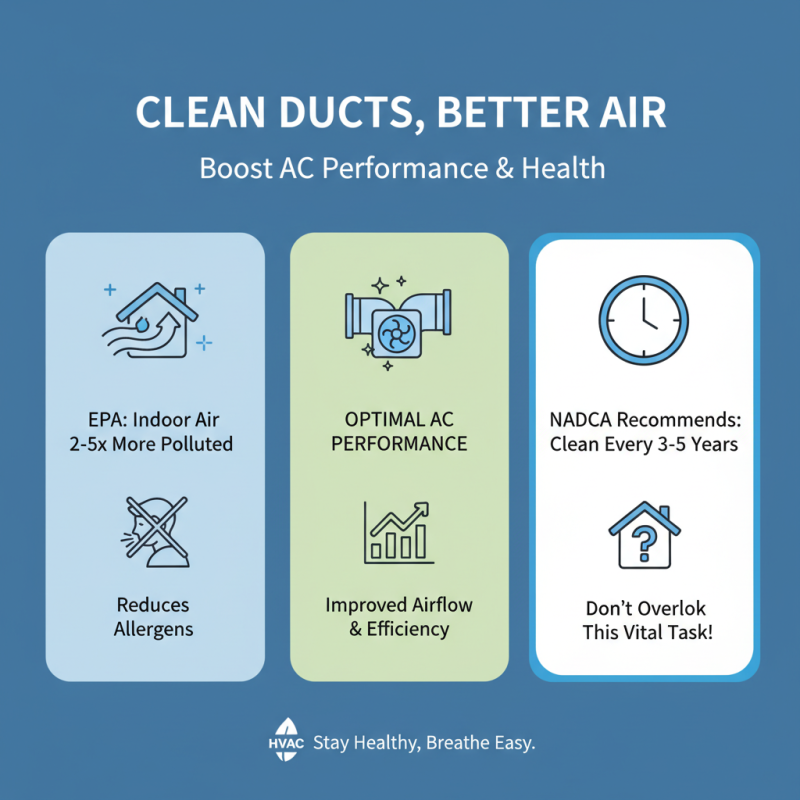
Maintaining duct systems is essential for optimal air conditioning performance. According to the Environmental Protection Agency (EPA), indoor air can be 2 to 5 times more polluted than outdoor air. Regular duct cleaning can significantly reduce allergens and improve air quality. The National Air Duct Cleaners Association (NADCA) recommends cleaning every 3 to 5 years, but many homeowners overlook this vital task.

Proper cleaning methods are crucial. One ineffective method is simply vacuuming the ducts. A more effective approach involves using specialized equipment to dislodge dust and debris. The use of high-efficiency particulate air (HEPA) filters during cleaning helps capture contaminants effectively. However, not all cleaning services follow the same standards, leading to inconsistent results. Homeowners need to research and select certified professionals who adhere to industry guidelines.

In addition to cleaning, regular inspections are necessary. These checks can reveal leaks, which waste energy and decrease efficiency. The U.S. Department of Energy estimates that sealing duct leaks can improve HVAC efficiency by up to 20%. Neglecting these inspections can lead to poor airflow and increased energy bills. It's vital to reflect on the importance of a comprehensive maintenance strategy for healthier air and better system performance.