Why You Should Consider Residential Air Conditioning for Your Home Comfort
When it comes to maintaining a comfortable living environment in our homes, residential air conditioning is a pivotal element that cannot be overlooked. According to industry expert Dr. Jane Smith, a leading HVAC specialist, "Investing in residential air conditioning not only enhances comfort but also significantly improves air quality, leading to a healthier living space." With the increasing temperatures and unpredictable weather patterns, more homeowners are recognizing the vital role that effective air conditioning systems play in ensuring year-round comfort and well-being.
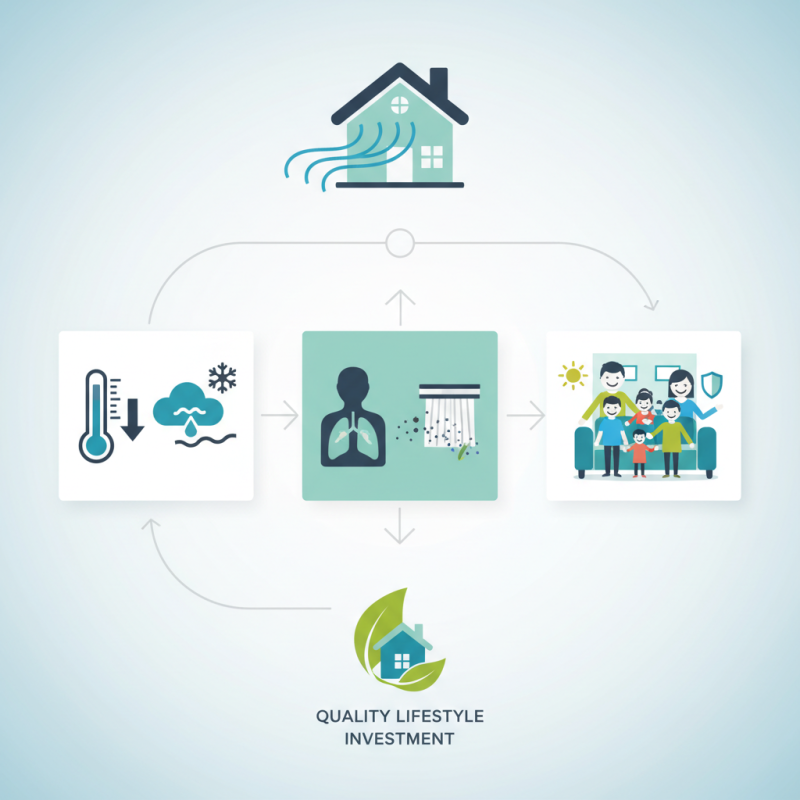
Residential air conditioning systems provide not only relief from the heat but also a controlled environment for families to thrive. The benefits extend beyond temperature regulation; they also include humidity control and filtration of airborne pollutants. As Dr. Smith emphasizes, "A well-optimized air conditioning system acts as a shield against outdoor allergens, providing families with clean, breathable air." In today's fast-paced world, understanding the importance of investing in residential air conditioning can lead to smarter choices that enhance both comfort and health at home.
Ultimately, making the decision to upgrade or install residential air conditioning is not just about comfort—it's an investment in a quality lifestyle. With numerous options available in the market, homeowners can find systems tailored to their specific needs, ensuring a balanced and inviting environment in which to live, work, and play.
Benefits of Residential Air Conditioning for Home Comfort
Residential air conditioning is not just a luxury; it's a necessity that significantly enhances home comfort, especially during extreme weather conditions. According to the U.S. Department of Energy, air conditioning can improve indoor air quality and reduce heat-related illnesses, making it essential for health and well-being during heat waves. This is crucial, as over 68% of occupied homes in the U.S. use air conditioning, and the market is projected to grow steadily in the coming years, reflecting increased awareness of the importance of maintaining a comfortable living environment.
One of the primary benefits of residential air conditioning is its ability to regulate indoor temperatures, providing relief from outdoor heat. A study by the American Society of Heating, Refrigerating and Air-Conditioning Engineers (ASHRAE) indicates that optimal indoor temperature ranges (between 68°F and 72°F) significantly enhance human comfort and productivity. Furthermore, modern systems have become energy-efficient, with advanced models showing a 30% better energy efficiency rating compared to older units. This efficiency not only contributes to lower energy bills but also aids in reducing carbon footprints, making air conditioning a responsible choice for both comfort and environmental considerations.
Key Features of Modern Air Conditioning Systems
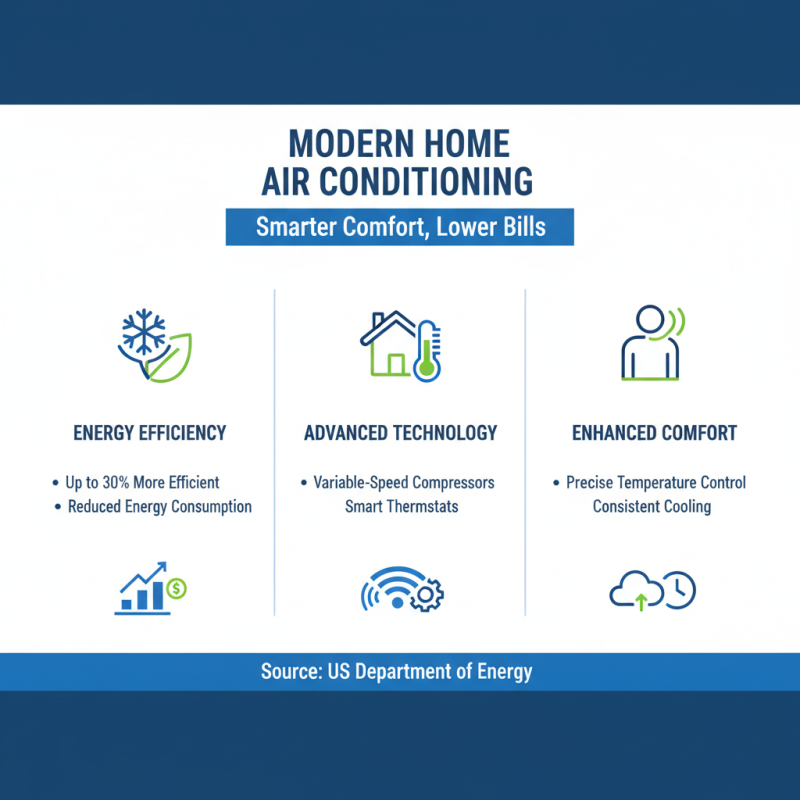
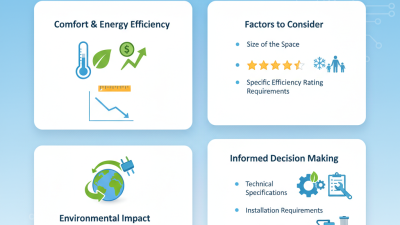
Modern air conditioning systems have evolved significantly, offering key features that enhance both comfort and energy efficiency in residential settings. According to the U.S. Department of Energy, newer air conditioning units can be up to 30% more efficient than older models, due in part to advanced technologies such as variable speed compressors and smart thermostats. These innovations allow for better temperature control and reduced energy consumption, which is essential for homeowners looking to lower their utility bills while maintaining a comfortable living environment.
One of the standout features of contemporary air conditioning systems is the integration of smart technology. Many units now come equipped with Wi-Fi capabilities, enabling homeowners to control their systems remotely through mobile applications. This level of convenience is coupled with the potential for energy savings; a study by the American Council for an Energy-Efficient Economy found that smart thermostats could save users between 10-15% on heating and cooling costs. Furthermore, modern systems often incorporate multi-zone capabilities, allowing different areas of the home to be cooled to varying temperatures, thus maximizing comfort for all residents while minimizing wasted energy.
Energy Efficiency and Cost Savings with Air Conditioning
When it comes to enhancing home comfort, the energy efficiency of residential air conditioning systems plays a crucial role. Modern air conditioning units are designed to consume less energy while providing optimal cooling, which can significantly reduce your utility bills. By opting for high-efficiency models equipped with advanced technology, homeowners can enjoy a comfortable indoor environment during hot months without incurring exorbitant costs. This not only helps in maintaining a pleasant living space but also contributes to a lower carbon footprint, aligning with environmentally friendly practices.
Additionally, many households overlook the long-term cost savings associated with investing in quality air conditioning. While the initial investment might seem substantial, the reduction in energy consumption translates into substantial savings over time. Efficient systems require less power to cool the same space as traditional units, resulting in decreased monthly expenses.
Moreover, regular maintenance of these systems can prolong their lifespan and ensure they operate at peak efficiency, further enhancing savings. Thus, incorporating energy-efficient air conditioning not only elevates comfort levels but also serves as a financially savvy decision for any homeowner.
Health Benefits of Maintaining Air Quality with AC
Maintaining indoor air quality is essential for ensuring overall health and comfort, and one of the most effective ways to achieve this is through the use of residential air conditioning systems. According to the U.S. Environmental Protection Agency (EPA), indoor air can be significantly more polluted than outdoor air, often by a factor of two to five times. This is particularly concerning since Americans spend approximately 90% of their time indoors. Quality air conditioning not only cools your home but also filters out common pollutants such as dust, mold spores, and other allergens, thereby contributing to better respiratory health.
Furthermore, studies indicate that maintaining consistent indoor temperatures with air conditioning can reduce humidity levels, which are known to foster mold growth and dust mite proliferation. The American Lung Association highlights that proper humidity control can alleviate asthma and allergy symptoms, benefiting approximately 25 million Americans who suffer from asthma. A well-maintained air conditioning system can therefore play a crucial role in limiting exposure to indoor airborne irritants, helping to create a healthier living environment and leading to fewer health complaints related to poor air quality.
Health Benefits of Maintaining Air Quality with AC
Installation and Maintenance Considerations for Homeowners
When considering residential air conditioning, installation and maintenance are crucial aspects
that homeowners should prioritize to ensure optimal comfort and efficiency. According to the U.S. Department of Energy, a
well-designed air conditioning system can enhance energy efficiency by up to 20%. Proper installation is essential; if the unit is not sized correctly or installed improperly, homeowners may experience inefficiencies that result in increased energy costs and subpar cooling performance.
It is recommended to consult with certified HVAC professionals who understand the specific requirements of your home, such as insulation levels and local climate conditions.
Maintenance plays a pivotal role in the longevity and efficiency of air conditioning systems. The Building Performance Institute notes that regular upkeep can extend the lifespan of air conditioning units by five to fifteen years. Homeowners should schedule annual maintenance checks that include
cleaning coils, checking refrigerant levels, and ensuring that all components are functioning correctly. Additionally, simple tasks like
changing air filters regularly can improve indoor air quality and system performance, as clogged filters can hinder airflow and lead to higher energy consumption. By investing in proper installation and maintenance, homeowners can enhance their comfort while also promoting energy efficiency and long-term savings.