Top Home Air Conditioning Systems: What You Need to Know Before Buying

When it comes to ensuring comfort in our homes during the sweltering summer months, choosing the right home air conditioning systems is essential. According to industry expert Dr. Emily Larson, an HVAC consultant with over 15 years of experience, "Investing in the right air conditioning system can not only enhance your comfort but also significantly improve energy efficiency and reduce long-term costs." With a plethora of options available on the market, understanding the critical elements of these systems becomes a vital step for homeowners looking to make informed decisions.

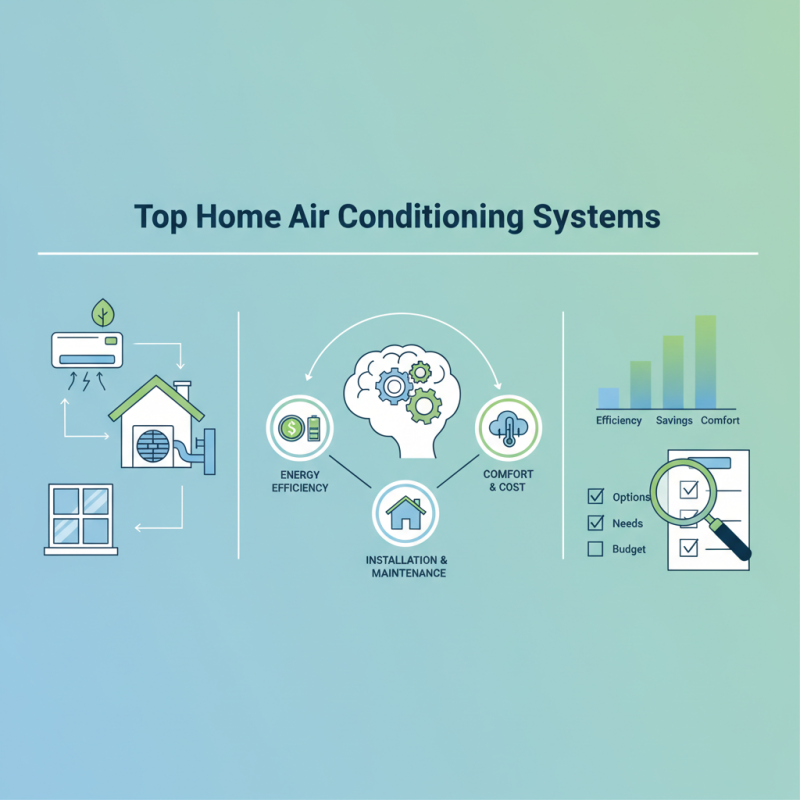
As you navigate the options, it is important to recognize that not all home air conditioning systems are created equal. Factors such as energy efficiency ratings, installation requirements, and maintenance needs can greatly influence your overall satisfaction and costs. By arming yourself with valuable insights and expert advice, you are better positioned to select a system that meets your specific needs and budget. This guide will provide you with essential information and considerations to keep in mind while exploring home air conditioning systems, ensuring you make a choice that leads to comfort and efficiency for years to come.
Top Home Air Conditioning Systems: What You Need to Know Before Buying

Understanding Air Conditioning Efficiency Ratings: SEER and EER Explained

When considering a new home air conditioning system, understanding efficiency ratings like SEER (Seasonal Energy Efficiency Ratio) and EER (Energy Efficiency Ratio) is crucial. SEER measures the cooling output during a typical cooling season divided by the total electrical energy input, giving homeowners a sense of how energy-efficient a unit will be across varying temperatures. According to the U.S. Department of Energy, systems with a SEER rating of 14 or higher are often considered high-efficiency models, potentially lowering energy bills significantly over the system’s lifespan.

On the other hand, EER is a measure of a unit's efficiency at a specific temperature, typically 95°F outside and 80°F inside, providing a snapshot of how effectively the air conditioning unit can maintain a comfortable indoor climate under peak conditions. The higher the EER rating, the better the system’s performance during the hottest days. According to the Air-Conditioning, Heating, and Refrigeration Institute (AHRI), an EER rating of 12 or above can be indicative of a highly efficient model, which may offer better savings during extremely high temperatures. Understanding these ratings not only aids in selecting the right system for your needs but also ensures optimal energy consumption and cost savings.
Understanding Air Conditioning Efficiency Ratings: SEER and EER

This chart illustrates the efficiency ratings of air conditioning systems based on SEER (Seasonal Energy Efficiency Ratio) and EER (Energy Efficiency Ratio). Higher SEER ratings indicate greater energy efficiency, which can lead to savings on energy bills. Understanding these ratings is crucial for selecting an efficient air conditioning system for your home.

Types of Home Air Conditioning Systems: Central, Ductless, and Window Units

Top Home Air Conditioning Systems: What You Need to Know Before Buying

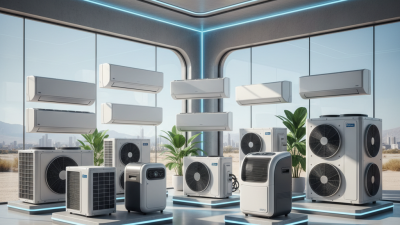
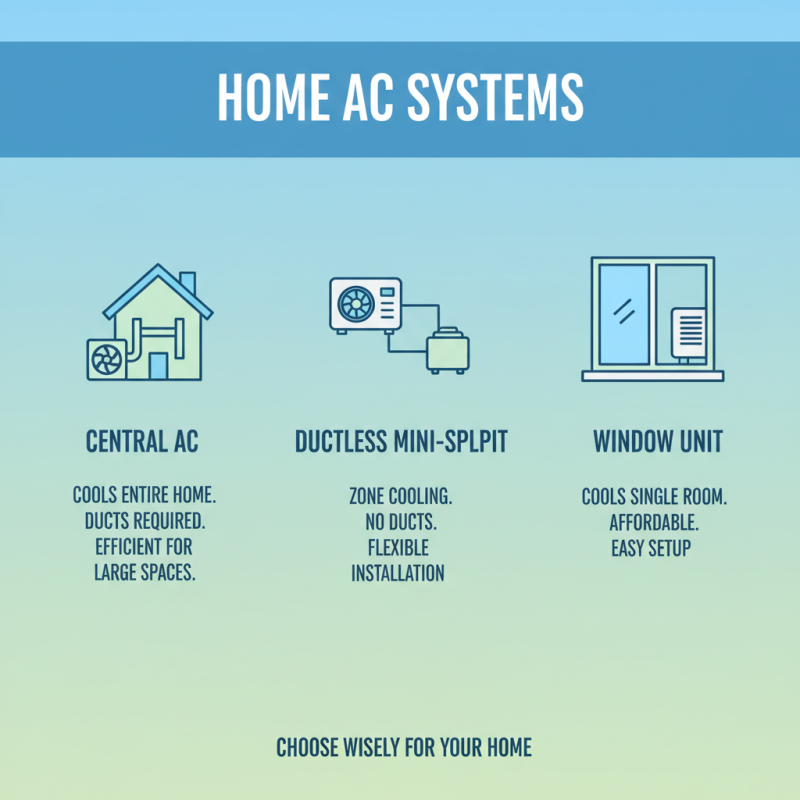
When selecting a home air conditioning system, it's essential to understand the different types available on the market: central air conditioning, ductless mini-split systems, and window units. Each option has its unique features, benefits, and limitations, catering to different cooling needs and home configurations.

Central air conditioning systems are ideal for larger homes, providing consistent cooling throughout multiple rooms via a network of ducts. These systems can efficiently regulate the temperature and often come with advanced features like programmable thermostats. However, installation can be costly and may require significant home renovations, making it a considerable investment.

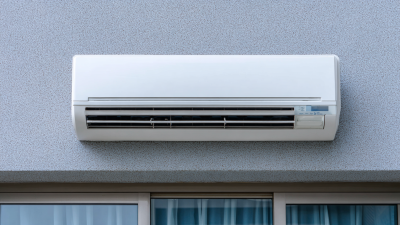
On the other hand, ductless mini-split systems offer a flexible solution for homes without existing ductwork. These systems consist of an outdoor compressor unit and one or more indoor air handlers, allowing homeowners to cool specific areas of the house. This targeted approach can lead to energy savings, as you can adjust the temperature based on usage. Window units are a more straightforward and budget-friendly option, suited for smaller spaces. They are easy to install and can cool individual rooms effectively, although they may not provide the same level of comfort or efficiency as central or ductless systems. Understanding these differences will help you make an informed decision based on your home's needs and your budget.

Importance of Proper Sizing: How BTU Ratings Impact Comfort and Efficiency

Top Home Air Conditioning Systems: What You Need to Know Before Buying

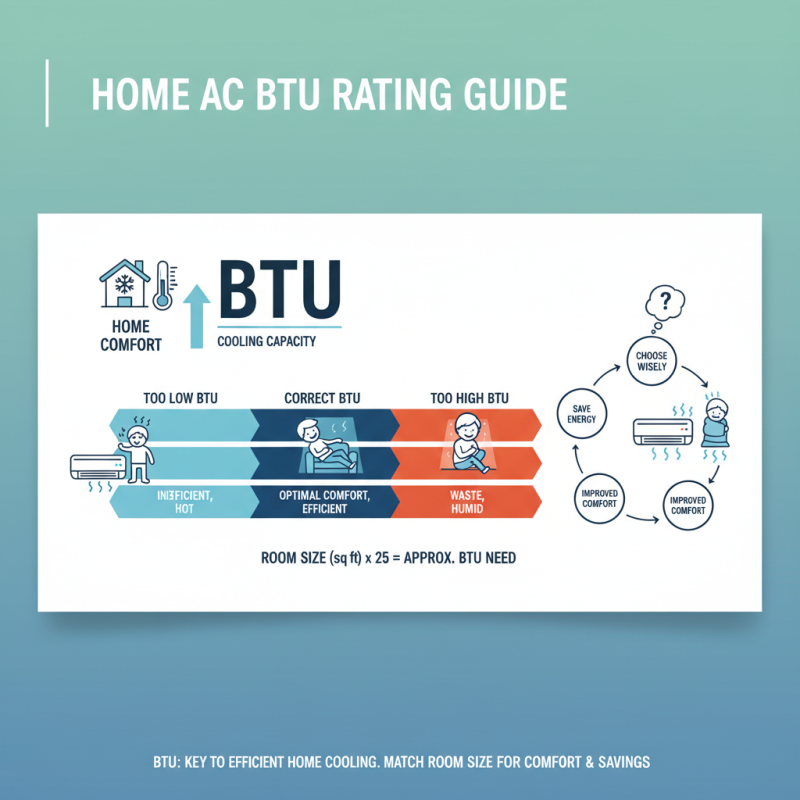
When it comes to purchasing a home air conditioning system, understanding BTU ratings is essential for optimizing both comfort and efficiency. BTU, or British Thermal Unit, measures the amount of heat required to raise the temperature of one pound of water by one degree Fahrenheit. Essentially, it indicates the cooling capacity of an air conditioning unit. Choosing a system with the right BTU rating ensures that your home remains comfortable during hot weather without straining energy resources.

If an air conditioning unit is too small for the space it is intended to cool, it will struggle to maintain the desired temperature, resulting in inefficient performance and higher energy bills. Conversely, a unit with excessive BTU capacity for a given area can lead to rapid cooling, which may cause discomfort and inconsistent temperatures. As a general rule, it’s crucial to consider factors such as room size, ceiling height, and insulation quality when determining the appropriate BTU rating for your air conditioning system. By adequately sizing your unit, you can achieve not only optimal indoor comfort but also enhanced energy efficiency, ultimately leading to lower utility costs and a more sustainable living environment.

Key Features to Consider: Smart Technology, Filtration, and Noise Levels

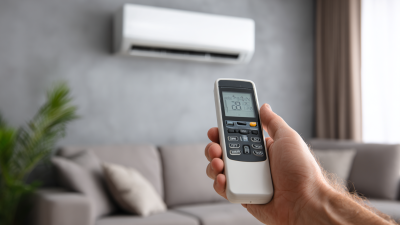
When considering a home air conditioning system, three key features stand out: smart technology, filtration, and noise levels. Smart technology has transformed air conditioning units into highly efficient, easy-to-use devices. According to a report from the International Energy Agency (IEA), smart thermostats can lead to energy savings of up to 10-15%, which is significant over time. These systems allow homeowners to control their AC remotely, schedule temperature adjustments, and even receive maintenance alerts, which contribute to both environmental benefits and energy cost savings.

Filtration is another crucial component to consider. Modern air conditioning systems often come with advanced filtration options that significantly improve indoor air quality. The American Society of Heating, Refrigerating and Air-Conditioning Engineers (ASHRAE) emphasizes the importance of high-efficiency particulate air (HEPA) filters, which can capture 99.97% of dust, pollen, and other airborne particles as small as 0.3 microns. Investing in an AC unit with efficient filtration not only promotes a healthier living environment but can also reduce allergens, which is essential for individuals with respiratory issues.

Noise levels are vital for ensuring comfort in your living space. Research indicates that air conditioning systems operating above 60 decibels can interfere with daily activities, such as conversation and sleep. Look for systems specifically designed to minimize noise, which can enhance your overall experience in your home.

Tips:

  • When shopping for an AC unit, pay attention to the decibel ratings and seek out models designed for quiet operation.
  • Prioritize systems with multi-stage filtration to maximize air quality; consider models that allow you to easily change or clean filters.
  • Evaluate smart technology features that allow integration with other home systems for added convenience and efficiency.

Cost Considerations: Initial Investment, Installation, and Long-term Savings

When considering the purchase of a home air conditioning system, understanding the financial implications is crucial. The initial investment varies significantly, with central air conditioning systems typically ranging from $3,000 to $7,000, depending on the size and complexity of installation. According to the U.S. Department of Energy, homeowners can expect installation costs to make up about 75% of the total purchase price. This means that when budgeting for your new system, it’s essential to account for both the unit's price and the labor involved in properly setting it up.

In the long run, the efficiency of your chosen air conditioning system plays a vital role in determining overall costs. Systems with a higher Seasonal Energy Efficiency Ratio (SEER) rating tend to be more efficient, leading to lower energy bills. A recent study by the Energy Information Administration found that upgrading to a high-efficiency system can save homeowners up to $200 annually on cooling costs. Additionally, considering potential tax credits and incentives for energy-efficient upgrades is wise, as these can offset some of the initial expenses and contribute to long-term savings on utility bills. Thus, evaluating both the upfront costs and the efficiency payoff is essential for making an informed decision.