2026 Top Automatic Diaper Packing Machine Questions Answered?

In the ever-evolving landscape of baby care products, the Automatic diaper packing machine stands out as a crucial innovation. This advanced equipment streamlines the packaging process for diapers, improving efficiency and reducing waste. With the growing demand for high-quality baby products, manufacturers seek reliable solutions to enhance their production lines.

Questions often arise about the functionality and benefits of these machines. What features should you look for? How do they impact production rates? Understanding these factors can greatly influence business decisions. Moreover, the choice of an automatic diaper packing machine is not always straightforward. Businesses may struggle to determine the best model for their needs.

Engaging with industry experts reveals common misconceptions. It’s essential to recognize that each machine serves different manufacturing demands. Therefore, it's important for manufacturers to evaluate their specific requirements. Investing time in research can lead to better-informed choices. This guide aims to address key questions, providing insights into automatic diaper packing machines that enhance value.
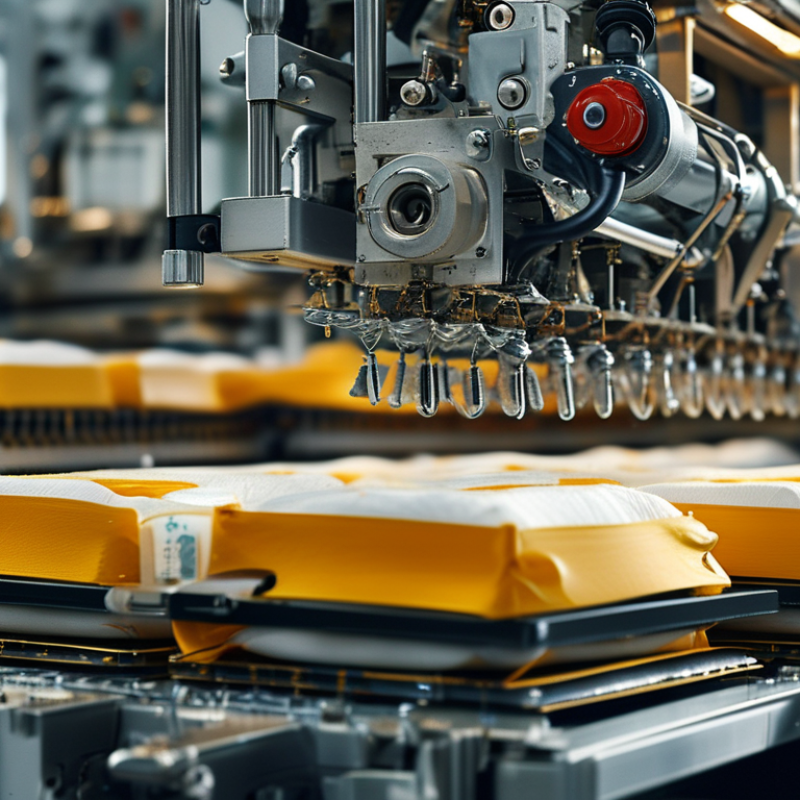
2026 Top Automatic Diaper Packing Machine Questions Answered?

2026 Overview of Automatic Diaper Packing Machines in the Market

The market for automatic diaper packing machines is rapidly evolving. These machines offer enhanced efficiency, reducing labor costs for manufacturers. Many companies seek to achieve high production rates while maintaining product quality. This leads to innovative designs and features in machine technology.


Recent trends indicate that customer demands are shifting. Compact and user-friendly machines are in high demand. This preference raises questions about operational complexity and maintenance. Some manufacturers struggle with the balance of advanced features and ease of use. It’s crucial to consider the long-term costs of maintenance and potential downtime.


Additionally, sustainability is a pressing concern. Many companies are under pressure to minimize waste in packaging. This challenge requires ongoing adjustments in machine design and packaging materials. While advancements are promising, there remains a significant need for continuous improvement and adaptation within the industry.

Key Features to Consider When Choosing an Automatic Diaper Packing Machine

When choosing an automatic diaper packing machine, several key features must be considered. Speed is crucial. Machines can pack up to 800 diapers per minute. High-speed operations enhance productivity. Additionally, the machine's accuracy is equally important. A packing error rate of less than 1% is preferable to minimize loss and waste.

Flexibility in packaging sizes can also be a deciding factor. Not all diaper products are the same, and many manufacturers require machines that can handle various sizes and types. A versatile machine will accommodate different diaper dimensions while maintaining efficiency and reducing downtime.

Moreover, ease of maintenance shouldn't be overlooked. Regular upkeep ensures long-term reliability. Machines requiring complex adjustments may lead to delays. Industry reports suggest that the cost of unplanned maintenance can reach up to 30% of operational costs. Making an informed decision about these features won’t guarantee perfection but can certainly reduce potential concerns in production lines.

Latest Technology Trends in Automatic Diaper Packing for 2026

In 2026, automatic diaper packing machines are evolving rapidly. Latest technology trends show the integration of smart sensors that monitor packing conditions. These advancements ensure precise packaging, reducing waste significantly. Enhanced efficiency is crucial in meeting ever-increasing demands.

One major trend is the use of AI-driven systems. They analyze data to optimize production lines. This real-time adaptation helps manufacturers respond quickly to market needs. It's a game changer for the industry, allowing for greater flexibility in operations.

Tips: Never underestimate the importance of regular maintenance. Well-maintained machines last longer and operate more effectively. Also, invest in staff training. Familiarity with new technology boosts productivity and minimizes errors. Embrace change, but be aware of potential challenges. Adaptation takes time, and mistakes can occur during transitions. It's essential to reflect on these aspects often.

Cost Analysis: Investment vs. Long-term Savings of Diaper Packing Machines

Investing in automatic diaper packing machines can be a significant decision for manufacturers. These machines enhance production efficiency, offering speeds up to 150 packs per minute. In contrast, manual packing methods can only achieve about 30 units per minute. The initial cost for high-quality packing machines ranges from $50,000 to $200,000. However, the long-term savings are substantial when you consider labor costs and waste reduction.

A study published by the Packaging Machinery Manufacturers Institute (PMMI) highlights that companies often see a return on investment (ROI) within two to three years. For some, this ROI can exceed 30%. Automation reduces labor costs by nearly 40% and minimizes material waste, potentially saving thousands annually. Yet, the shift to automated systems can be intimidating. New operators need training, which can briefly disrupt production.

Despite these challenges, the advantages are compelling. Automated systems allow for consistent quality and faster turnaround times. Many experts argue that the initial investment pays off within a few years. Nonetheless, potential buyers should conduct a thorough cost analysis to ensure they make an informed decision for their specific needs.

Safety and Compliance Standards for Automatic Diaper Packing Machinery

When dealing with automatic diaper packing machinery, safety and compliance standards are paramount. These machines handle sensitive materials and operate at high speeds. Ensuring that all safety regulations are met protects both operators and the end products. For instance, machines must have emergency shut-off mechanisms and safeguards to prevent unintended activation. Regular maintenance and inspections contribute to reliable performance.

Compliance with industry standards often requires adherence to specific guidelines. These could be related to machine cleanliness and contamination prevention. Frequent training sessions for operators enhance awareness of these protocols. However, not all manufacturers prioritize this training equally, leading to potential oversights. It's essential to foster a culture of safety within organizations.

Moreover, the evolving landscape of regulations can be challenging. Companies may struggle to keep pace with new requirements. Implementing a robust tracking system can help in monitoring compliance. Continuous improvement in safety protocols should be a shared goal. Open discussions about challenges encountered can lead to innovative solutions.

2026 Top Automatic Diaper Packing Machine Safety Compliance Standards