2026 Best Air Conditioning and Installation Options for Your Home?

In the realm of **air conditioning and installation**, choosing the right system is crucial for comfort. According to industry expert John Smith, "The right air conditioning can transform your home environment." His insights highlight the importance of system selection and professional installation.

As temperatures rise, effective air conditioning becomes essential. Homeowners face a multitude of options, making informed decisions vital. Not all systems are created equal. Some may struggle with efficiency or noise levels. This variability necessitates expert advice to ensure comfort and reliability in installation practices.

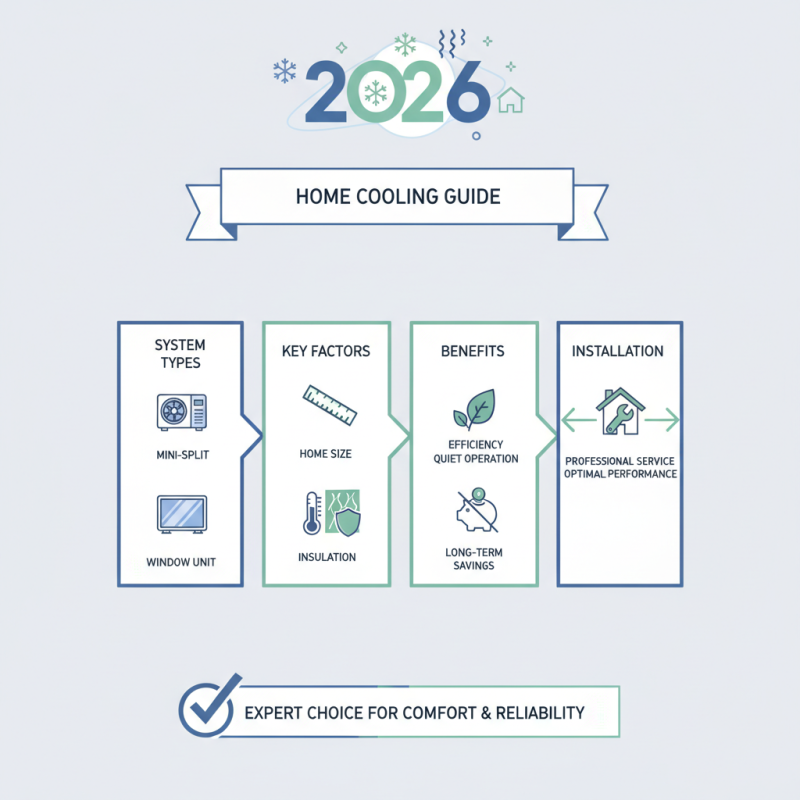
Considering the many choices, it is easy to feel overwhelmed. Experts recommend assessing your home’s size, insulation, and climate. These factors will influence the type of system suitable for your needs. Remember, investing in quality air conditioning and installation is not just about today. It’s about long-term comfort and savings.
2026 Best Air Conditioning and Installation Options for Your Home?

Top Air Conditioning Types for Home Use in 2026

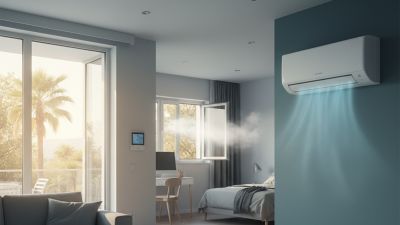
When it comes to air conditioning, several types are popular for home use in 2026. Ductless mini-split systems are gaining traction. They offer flexibility, especially for homes without ducts. Their installation is less invasive compared to traditional systems. Homeowners appreciate their efficiency and the ability to control the climate in individual rooms.

Central air conditioning remains a tried-and-true option. It efficiently cools large spaces and can enhance property value. However, the installation costs can be high. Maintenance is also essential, as neglected systems can lead to issues over time. Choosing this option requires long-term commitment and planning.

Portable air conditioners are perfect for renters or temporary setups. They are easy to install and move. Yet, they often lack the cooling power of other types. Users must consider the size of the space they want to cool. Evaluating energy efficiency is also necessary; some models are much more effective than others. Each option has pros and cons. Thoughtful choices depend on personal needs and home specifics.
2026 Best Air Conditioning Options for Home Use

This chart illustrates the popularity of various types of air conditioning systems for home use in 2026, based on energy efficiency ratings (SEER) and customer satisfaction scores.

Key Features to Consider When Choosing Air Conditioning Systems

When selecting an air conditioning system, several key features deserve your attention. Efficiency ratings are crucial. Look for units that provide high Seasonal Energy Efficiency Ratios (SEER). A higher SEER means better performance and lower energy bills in the long run. Energy-efficient models can significantly reduce utility costs, but they may come with a higher upfront price.

Next, consider the size of the unit. An air conditioner that is too small will struggle to cool your home, leading to increased wear and tear. Conversely, one that is too large will cycle on and off frequently, wasting energy. It's vital to have your space evaluated for proper sizing. This is often overlooked, leading to frustration and poor performance.

Also, keep noise levels in mind. Noisy units can disrupt your comfort and peace at home. Check the decibel ratings before making a choice. Some models now offer quiet operation but may require a careful selection process. Lastly, consider maintenance options. Regular maintenance keeps systems running efficiently. However, many homeowners overlook this aspect and face costly repairs later. Make sure you are ready for long-term upkeep.

Installation Options and Costs for Home Air Conditioning in 2026

2026 Best Air Conditioning and Installation Options for Your Home?

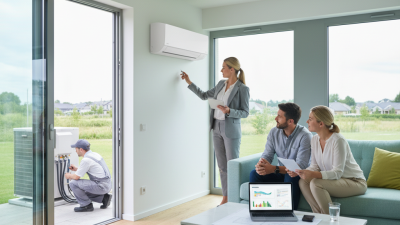
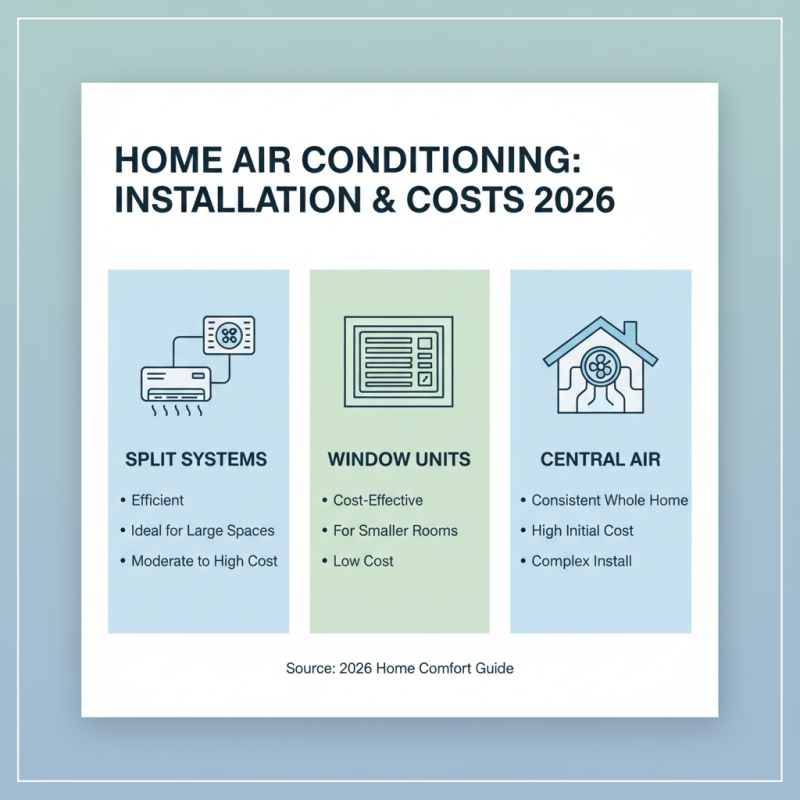
When considering air conditioning for your home in 2026, understanding installation options and costs is crucial. Various systems are available, including split units, window units, and central air. Each option offers unique benefits. Split systems are efficient and ideal for large spaces. Window units are cost-effective for smaller rooms. Central air provides consistent temperatures throughout the entire home.

Installation costs significantly vary by system type and complexity. A split system may range from $2,000 to $5,000, depending on the size needed. Window units can cost between $150 and $800, plus installation. Central air systems typically start around $3,500 and can exceed $7,000 for extensive installations. Factors such as labor, unit efficiency, and home layout will also influence prices.

Homeowners should also consider ongoing maintenance costs. Regular servicing can prevent larger expenses down the line. However, some may overlook this aspect, leading to inefficiencies. It's essential to prioritize quality installation to avoid future problems. In 2026, the focus on energy efficiency will be more significant than ever. Selecting the right option not only improves comfort but can also enhance the home’s value.

Energy Efficiency Ratings and Their Importance for Air Conditioners

2026 Best Air Conditioning and Installation Options for Your Home?

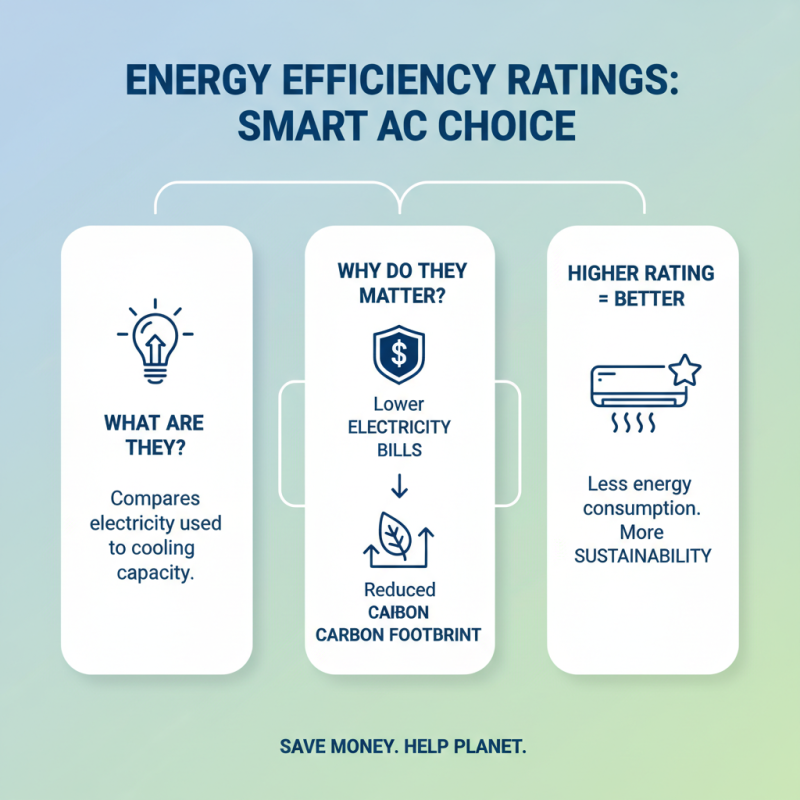
Energy efficiency ratings are a crucial factor when selecting an air conditioning system. These ratings provide insights into how much electricity an air conditioner uses compared to its cooling capacity. A higher efficiency rating means lower energy consumption, which translates to reduced utility bills. It can also be a step toward a more sustainable lifestyle, reducing your carbon footprint.

Understanding these ratings is essential for homeowners. Different models have different efficiencies. It's important to research and compare them. For many, this information may feel overwhelming. However, taking the time to analyze energy ratings can lead to significant savings over time. In fact, a small increase in efficiency can lead to large savings on energy costs.

Additionally, be sure to consider your specific needs. The best air conditioner for one home may not suit another. Factors like home size, insulation, and local climate influence performance. Reflect on these aspects to make a better choice. Sometimes, choosing based solely on initial cost isn't wise. It may lead to higher long-term expenses. Prioritizing energy efficiency can seem daunting, but it's a critical investment for your home's comfort and your wallet.

Maintenance Tips for Keeping Your Air Conditioning System Optimal

Keeping your air conditioning system in top shape is crucial for comfort and energy efficiency. Regular maintenance can significantly extend the life of your unit. According to the Department of Energy, neglecting regular maintenance can lead to a 5% decrease in efficiency for every year of operation. This can quickly add up, resulting in higher energy bills.

Changing your air filter every 1-3 months can improve airflow and enhance your system’s efficiency. A clogged filter restricts airflow, causing the system to work harder. This can not only raise energy costs but also lead to potential breakdowns. Additionally, annual inspections by a qualified technician can identify early issues before they become costly repairs.

Another key aspect is cleaning the condenser and evaporator coils. Dirty coils absorb less heat, making your system work harder, which can reduce its lifespan. Industry studies reveal that cleaning coils can improve efficiency by up to 30%. Regular maintenance may seem like an inconvenience, but it pays off in the long run. Not prioritizing these simple tasks could lead to unexpected performance issues, leaving you uncomfortable during peak heat.

2026 Best Air Conditioning and Installation Options for Your Home

Model Efficiency Rating (SEER) Cooling Capacity (BTU) Type Installation Cost ($) Maintenance Tips
Model A 21 18000 Split System 3500 Clean filters monthly, check refrigerant levels.
Model B 19 24000 Ductless System 4000 Inspect ducts yearly, ensure adequate insulation.
Model C 16 30000 Central AC 5000 Schedule annual professional maintenance, monitor thermostat settings.