The global mining industry is evolving rapidly, driven by advances in technology and sustainable practices. To navigate this landscape, a comprehensive Mining Equipment List is essential for buyers worldwide. According to a recent report by Market Research Future, the mining equipment market is projected to reach $100 billion by 2026, reflecting a compound annual growth rate (CAGR) of over 5%. This growth is attributed to the increasing demand for minerals, driven by infrastructure development and technological advancements.
In the quest for efficiency, the diversity of equipment has widened significantly. Buyers now require modern machinery, including electric and automated options. A well-curated Mining Equipment List can provide insights into not only traditional machines like excavators and drill rigs, but also innovative tools such as autonomous haul trucks. However, it's vital to consider the specifications, maintenance needs, and certifications of equipment to avoid costly mistakes.
Data from the International Council on Mining and Metals suggests that approximately 40% of mining operations still rely on outdated equipment. This presents a challenge for buyers aiming for optimal performance and lower environmental impact. Understanding these dynamics is crucial for making informed decisions in a competitive market. The comprehensive Mining Equipment List for 2026 is more than a reference; it’s a strategic asset for global buyers aiming to enhance their operational efficacy.
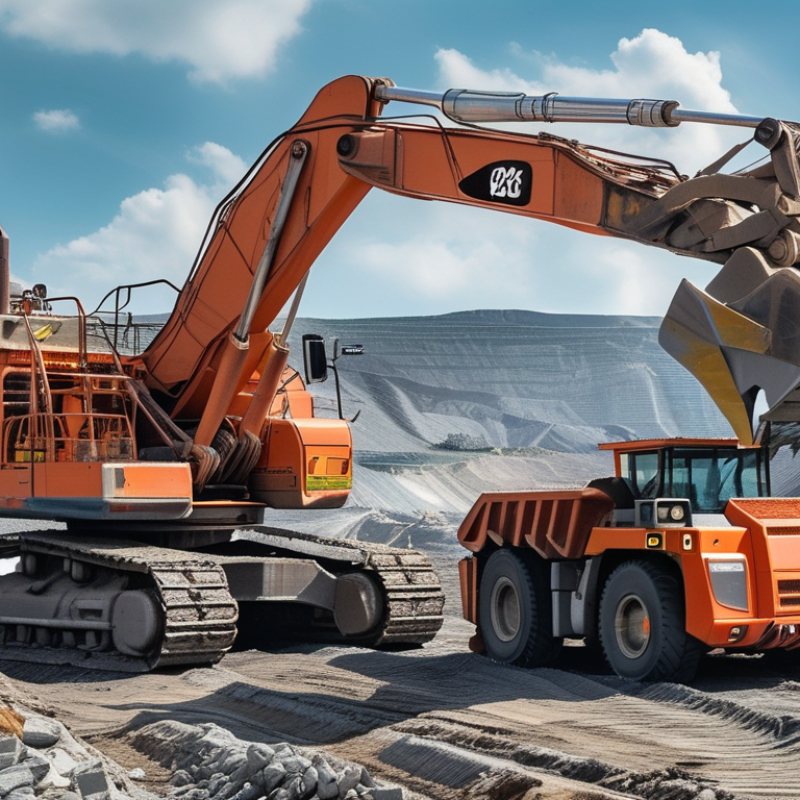
The mining equipment market is evolving rapidly as we approach 2026. This period will see a significant shift towards automation and sustainability. A recent report indicates a projected growth rate of 5.4% in the global mining equipment market over the next few years. This growth is driven by increasing demands for efficiency and reduced environmental impact.
Electric and hybrid machinery are gaining traction. These options reduce emissions and operational costs, appealing to eco-conscious companies. Industry leaders are investing in innovations that enhance productivity. For instance, data shows that modern drilling technologies can improve extraction rates by up to 30%. Such advancements highlight the need for adaptation within the industry.
However, challenges remain. Supply chain disruptions and fluctuating raw material prices could hinder growth. Companies might struggle to keep up with technological advancements and regulatory requirements. Ongoing workforce training will be essential to address skill gaps. As miners navigate these complexities, staying informed about market trends becomes crucial for successful investment decisions.
The demand for mining equipment is projected to increase significantly in 2026. Several factors are driving this growth, particularly in developing regions. According to a recent market analysis report by Industry Research, global mining equipment demand is expected to grow at a CAGR of 6.5% from 2022 to 2026. This trend reveals not just a resurgence in mining activities, but also a shift towards more advanced technologies.
The rising need for minerals, particularly copper and lithium, is a key factor. These materials are vital for various industries, including electronics and renewable energy. A report by the International Energy Agency highlights a looming shortfall in resources needed for electric vehicle batteries. This has amplified the urgency for mining operations to ramp up production. However, the industry faces challenges in terms of sustainability and regulatory compliance. Mining companies must adapt to stricter environmental regulations while ensuring efficient resource extraction.
Technological advancements also play a critical role. Innovations in automation and data analytics enhance productivity and safety. According to the Global Mining Equipment Market report, automation could improve operation efficiency by 25%. However, the transition requires significant investment and expertise, which not all companies possess. As the market evolves, meeting these challenges will be essential for maintaining competitiveness in the global landscape.
The mining industry is incredibly diverse, with equipment tailored to various applications. Key categories include excavators, drill rigs, and haul trucks. Each of these serves a distinct purpose. For example, excavators are vital for digging and moving large amounts of earth. They are foundational in both surface and underground mining projects.
Drill rigs, on the other hand, play a crucial role in exploration and production. They allow for the extraction of geological information. By using different drilling techniques, they can reach various depths and rock types. However, some operators may underestimate the power of precision drilling, leading to inefficiencies or even drilling errors.
Moreover, haul trucks transport mined materials from one site to another. They come in various sizes and capacities. This versatility is essential but can also lead to mishandling or overloading. Understanding each category's specific strengths and limitations is vital. It can prevent costly mistakes and enhance operational efficiency in the mining sector.
| Equipment Category | Application | Key Features | Trends |
|---|---|---|---|
| Excavators | Earthmoving, Digging | Hydraulic system, Versatile attachments | Automation, Fuel efficiency |
| Dump Trucks | Material transport | High payload capacity, Off-road capability | Electric drivetrains, GPS tracking |
| Drilling Rigs | Exploration, Blasting | Precision drilling, Depth tracking | Remote operation, Data analytics |
| Crushers | Material size reduction | High throughput, Adjustable settings | Sustainability, Smart technology |
| Loaders | Material handling | Powerful lifting, Compact design | Operator comfort, Enhanced safety |
| Mining Shovels | Large-scale excavation | Heavy-duty construction, High capacity | Hybrid models, Advanced hydraulics |
| Conveyors | Material transportation | Continuous movement, High efficiency | Modular designs, Remote monitoring |
As we approach 2026, the mining equipment industry continues to evolve rapidly. A surge in demand for efficient and advanced machinery is evident. Emerging technologies are reshaping the landscape, driving manufacturers to innovate or risk obsolescence. Battery-powered equipment and automation are becoming increasingly common, attracting global interest. Buyers now seek more than just equipment; they want integrated solutions that enhance productivity and optimize operations.
Leading manufacturers are investing heavily in research and development. This focus aims to create smarter, safer, and more sustainable mining solutions. However, challenges remain. Many companies struggle to balance innovation with cost-effectiveness. The need for training and adaptation is also a pressing concern. Even with cutting-edge technology, effective implementation requires skilled personnel, which can often be a barrier. Additionally, environmental regulations complicate decisions, demanding a careful approach to new equipment acquisition.
Buyers today must navigate a complex market landscape. They need to evaluate the credibility and reliability of manufacturers rigorously. A growing emphasis on transparency and ethical practices is crucial. Companies are expected to demonstrate accountability in their processes and sustainability efforts. As the industry evolves, the path to effective procurement requires foresight and informed decision-making.
Emerging technologies play a crucial role in the evolution of mining equipment. As the industry faces new challenges, innovative solutions are essential. Automation is increasingly prominent in the sector. Robotic machinery is now capable of executing tasks once limited to skilled labor. This shift improves efficiency and reduces human error. Yet, the reliance on technology raises concerns about job displacement for manual workers.
Artificial intelligence is transforming data analysis in mining. Advanced algorithms can predict equipment failures before they happen. This predictive maintenance minimizes downtime and maintenance costs. However, these systems require constant updates and can be vulnerable to cyber threats. Mining companies must prioritize cybersecurity while embracing these innovations.
Sustainability is another focus area. The industry seeks eco-friendly machinery powered by renewable energy sources. Electric and hybrid vehicles are gaining attention. These innovations reduce carbon footprints but face challenges such as battery disposal. Balancing technological advancement with environmental responsibility is essential. Mining equipment in 2026 must navigate these complexities while pushing the envelope further.