2026 Top Domestic Air Conditioning Trends You Should Know?

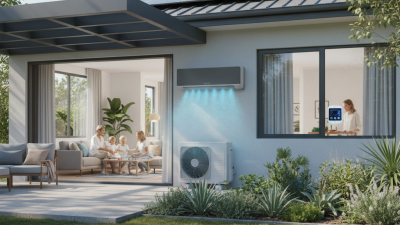
As we move closer to 2026, the domestic air conditioning industry is witnessing exciting trends. Data from the Air-Conditioning, Heating, and Refrigeration Institute (AHRI) indicates a significant rise in energy-efficient units. This shift reflects growing consumer awareness about sustainability. According to industry expert Dr. Anna Greaves, "Innovation in domestic air conditioning is essential for a sustainable future."

New technologies are transforming the landscape. Smart home integration is becoming standard. Consumers want control over their environment, leading to increased demand for advanced systems. However, many homeowners still overlook the importance of regular maintenance. Without proper upkeep, efficiency gains can evaporate.

On the other hand, the rise of environmentally-friendly refrigerants poses challenges and opportunities. There is a need for education about these newer alternatives. As the market evolves, staying informed on these trends becomes crucial. The domestic air conditioning sector must adapt to both consumer needs and environmental expectations.
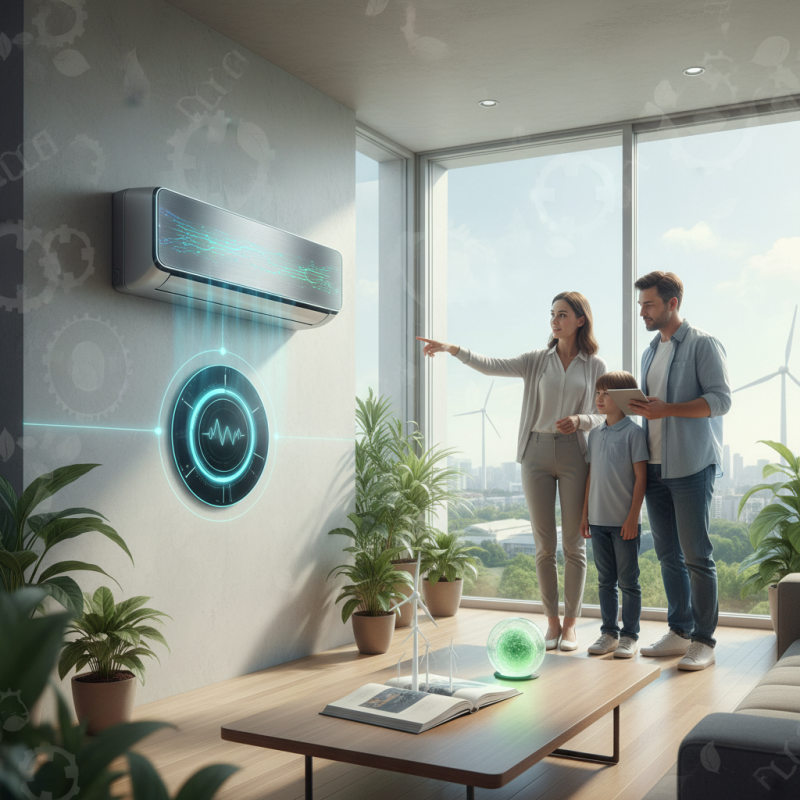
2026 Top Domestic Air Conditioning Trends You Should Know?

2026 Advances in Energy Efficiency for Domestic Air Conditioning Systems
2026 Top Domestic Air Conditioning Trends You Should Know?

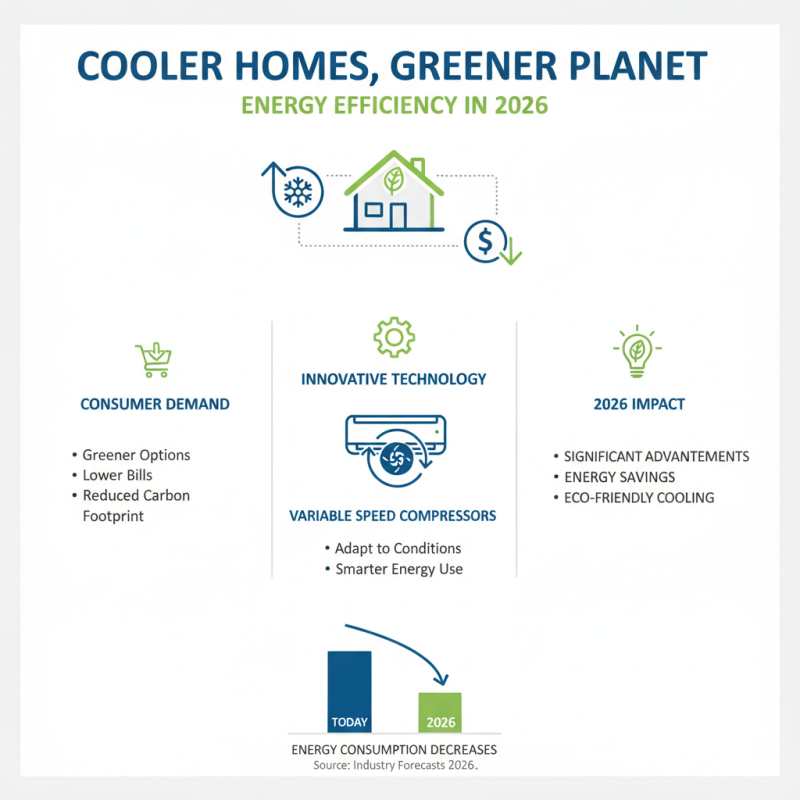
The year 2026 is expected to bring significant advancements in energy efficiency for domestic air conditioning systems. Consumers are increasingly looking for greener options. Innovative technologies aim to reduce energy consumption. For instance, variable speed compressors can adapt to changing conditions. This can lead to lower energy bills and a smaller carbon footprint.

Heat pump systems are gaining traction. These systems can efficiently heat and cool homes. They utilize ambient air or ground heat, reducing reliance on traditional energy sources. Energy recovery ventilators also play a role. They reduce waste by reusing energy from exhaust air, promoting efficiency.

However, challenges remain. Not all households may have access to these technologies. Adoption rates can vary significantly. Some systems may carry high upfront costs, leading to hesitation. Awareness and education about long-term savings are crucial. Many potential users may still lack knowledge on the benefits of modern air conditioning solutions. There's room for improvement in communication around these vital advancements.
Smart Thermostats and Automation: The Future of Home Climate Control

Smart thermostats are revolutionizing home climate control. With the integration of automation, homeowners can manage their energy usage more efficiently. According to a recent industry report, smart thermostats can reduce energy costs by up to 15%. This not only saves money but also minimizes the carbon footprint.

Automation features are becoming standard. Many systems learn user habits over time. They adjust the temperature based on when people are home. This adaptability can lead to significant energy savings. However, not all homes can benefit equally from this technology. Older systems may not be compatible with newer smart devices, leading to frustration and inefficiencies.

Privacy concerns also arise with automation. Users may worry about data collection. Trust must be built between manufacturers and consumers. Ensuring a seamless experience while protecting user data is crucial. Future trends will likely address these issues, providing better security alongside convenience. Balancing innovation with practicality remains a challenge in the evolving landscape of home climate control.

The Rise of Sustainable and Eco-Friendly Air Conditioning Solutions

The rise of sustainable air conditioning solutions is reshaping the industry. Homeowners are increasingly aware of their carbon footprints. They seek systems that consume less energy. Eco-friendly options use refrigerants that are less harmful to the environment. Many models now come with advanced technology, ensuring efficient cooling.

A challenge remains in balancing cost with sustainability. Some eco-friendly units have higher upfront costs. Many people hesitate to invest in these technologies, even if they save money in the long run. There’s a gap between desire for sustainability and practical decisions. Awareness is growing, but the transition is slow. It's vital to educate consumers about benefits and options available.

People are exploring alternatives like solar-powered air conditioning. These systems reduce reliance on the grid. However, they require adequate sunlight, which isn't always guaranteed. Not every home can support such installations, leading to varied accessibility. While eco-friendly options improve, persistent issues remain that need addressing.

2026 Top Domestic Air Conditioning Trends You Should Know

Trend Description Advantages Projected Market Growth
Smart Thermostats Devices that learn user habits and optimize energy usage. Energy savings and enhanced comfort. 12% CAGR through 2026
Solar-Powered AC Systems Air conditioning units powered by solar energy. Reduced electricity bills and lower carbon footprint. 15% CAGR through 2026
Portable and Compact Units Easily transferable air conditioning systems. Flexibility and convenience for renters. 10% CAGR through 2026
Inverter Technology Units with variable speed compressors for efficiency. Lower energy consumption and quieter operation. 14% CAGR through 2026
Eco-Friendly Refrigerants Use of refrigerants with low global warming potential. Safer for the environment and compliance with regulations. 20% CAGR through 2026

Innovative Designs: Compact and Aesthetically Pleasing AC Units

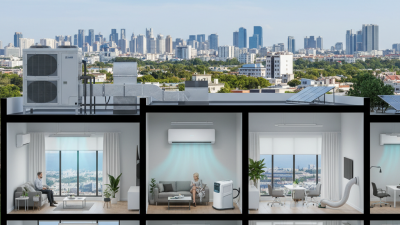
In recent years, air conditioning units have evolved significantly. Homeowners now seek compact designs that blend seamlessly with their interiors. These innovative AC systems come in various styles, colors, and finishes. Some resemble modern art pieces instead of traditional units. This shift caters to aesthetics without compromising on functionality.

When choosing an AC unit, consider the size and layout of your room. A larger unit can overwhelm a small space. Install units that fit your decor style for a harmonious look. Minimalist designs can be a great choice for contemporary homes. Remember, a perfect fit is vital for performance.

Tips for selection: Measure your space before shopping. This ensures you find a unit that suits your needs. Explore options with advanced technology, which can enhance efficiency. Think about noise levels, too. Some units are louder than others, potentially disrupting your peace. Ultimately, it’s about finding a balance between style and practicality.

Integration of IoT Technology in Home Air Conditioning Systems

2026 Top Domestic Air Conditioning Trends You Should Know?

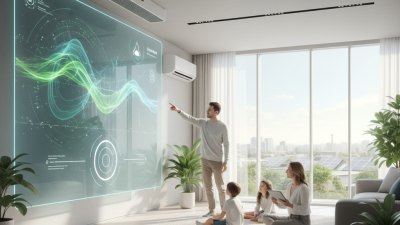
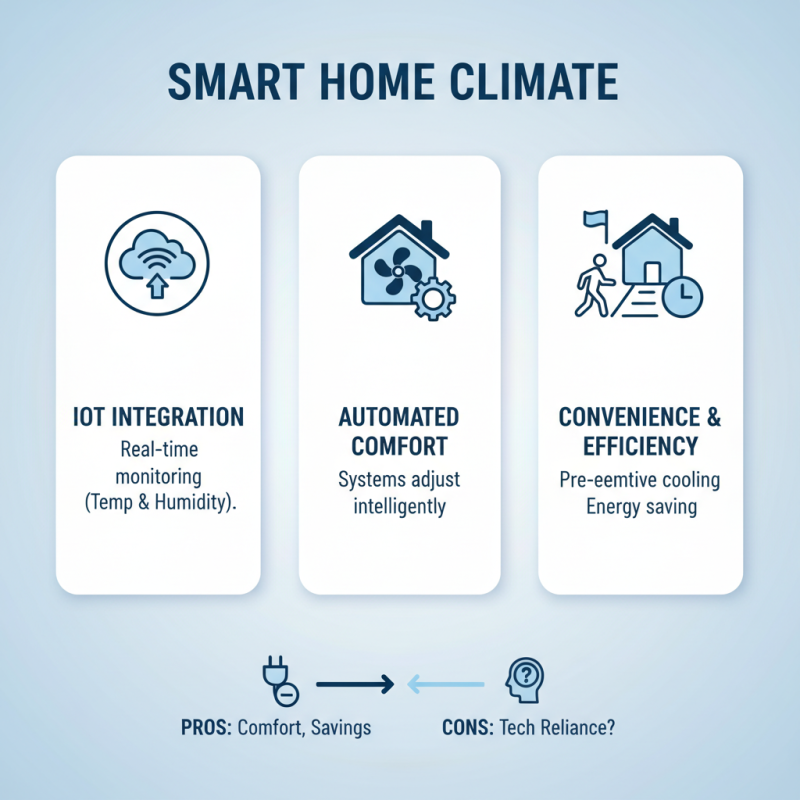
The integration of IoT technology in home air conditioning systems is revolutionizing how we manage indoor climates. Smart sensors now monitor temperature and humidity levels in real-time. This data allows systems to adjust automatically, creating a comfortable environment. It feels impressive when your air conditioner knows when you arrive home. This convenience is handy but can sometimes lead to over-reliance on technology.

However, the smart features can also bring challenges. Not all systems are user-friendly. Some homeowners struggle to navigate apps or connect devices. This can create frustration. Security is another concern. IoT devices can be vulnerable to hacking. Ensuring that your system is secure requires constant vigilance.

Moreover, the environmental impact of these systems is worth considering. While they reduce energy consumption, they also contribute to e-waste. As more devices connect to the internet, proper disposal methods become crucial. Balancing comfort and sustainability is important. Embracing IoT in air conditioning is exciting, yet it calls for careful thought.