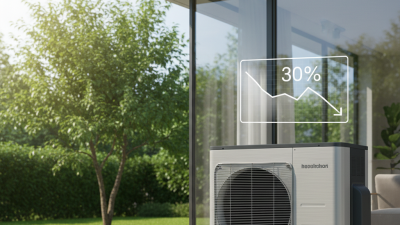
In the realm of home air conditioning, choices abound for homeowners in 2026. With the rising global temperatures, efficient cooling systems are more crucial than ever. According to the Department of Energy, air conditioning accounts for nearly 12% of the total energy expenses for a typical U.S. home. This statistic underscores the importance of selecting the right system.
Industry expert Dr. Emily Carter states, "Choosing the right home air conditioning system can significantly reduce energy costs while enhancing comfort." Her insights reflect a growing emphasis on sustainable solutions. Homeowners now have access to advanced technologies and smart features that optimize performance.
However, as options increase, so do the complexities of making the right choice. Systems vary widely in terms of efficiency, cost, and technological integration. Thus, some homeowners may feel overwhelmed. It is essential to seek clarity on individual needs before investing in a system. Air conditioning is not just a convenience; it’s a long-term commitment to comfort and sustainability.
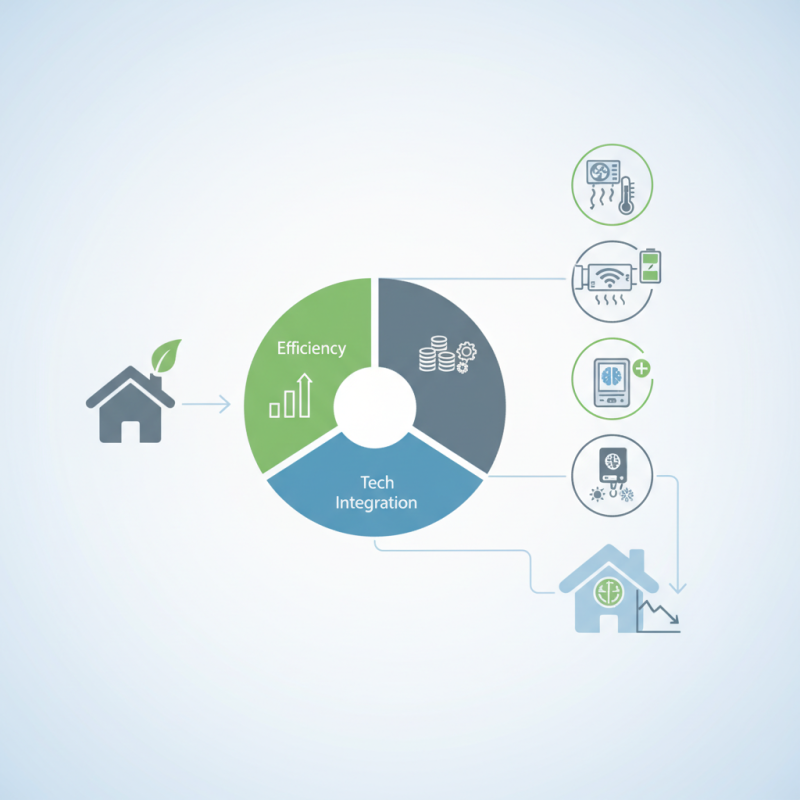
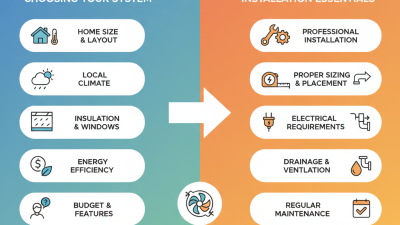
When selecting home air conditioning systems for 2026, efficiency is crucial. Look for models with high SEER ratings. These systems optimize energy use, keeping costs down. Many options now offer smart technology. This allows for better temperature control and scheduling. Imagine adjusting your home's climate from your phone. Convenience is key for modern households.
Another important feature is air quality enhancement. Systems with built-in air purifiers can filter out pollutants. This ensures you breathe fresher air. Some devices even monitor humidity levels. A balanced environment can prevent mold growth. However, not all systems handle humidity well. It’s worth considering models that specialize in this area.
Noise levels are often overlooked. Quiet operation can significantly improve your comfort. Look for systems with noise-reducing technology. These might cost more but offer a peaceful living space. Lastly, think about maintenance ease. User-friendly designs make upkeep simpler. Avoid complex setups that require frequent professional help. Reflecting on these features can lead to better choices for your home.
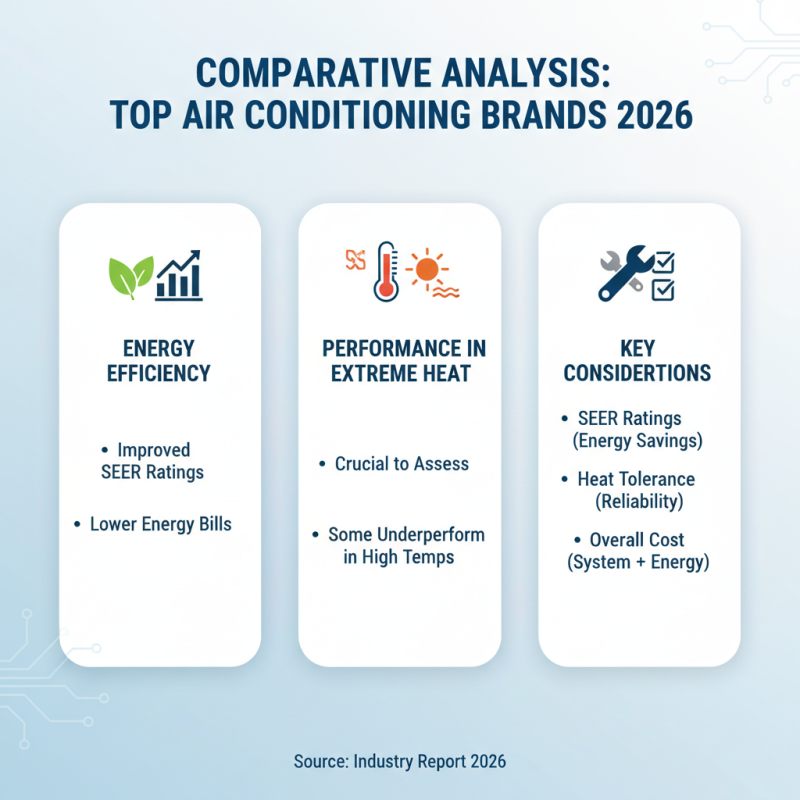
When choosing an air conditioning system in 2026, energy efficiency is a key factor. Many systems now boast improved SEER ratings. This means lower energy bills. However, some models may underperform in high temperatures. It's crucial to assess how they handle extreme weather conditions.
Another consideration is noise level. Many modern units claim to be quiet. Yet, real-world testing shows variability. Some models produce annoying hums. Others operate almost silently. Continuous operation could expose these inconsistencies.
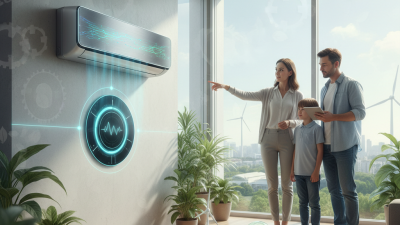
Smart technology integration is trending this year. Many units can connect to smartphones for remote control. This feature can seem convenient. But it also raises privacy concerns. Users must weigh convenience against risks in data sharing. These factors should be on every buyer's mind.
Energy efficiency ratings play a crucial role in choosing an air conditioning unit. These ratings indicate how effectively a unit converts energy into cooling. Higher ratings mean lower energy consumption and cost savings on utility bills. This is especially important during peak summer months. With temperatures rising, an efficient AC unit can keep your home comfortable without draining your wallet.
When shopping for an AC system, pay attention to SEER (Seasonal Energy Efficiency Ratio) ratings. A higher SEER rating reflects better energy efficiency. For example, a unit with a SEER of 16 uses less energy than one with a SEER of 13. This difference can impact your monthly expenses significantly.
Some people overlook energy efficiency in favor of lower upfront costs. This decision may lead to regrets as energy bills rise over time. Investing in a unit with a good efficiency rating may seem daunting. However, this choice will pay off in the long run. Balancing upfront costs with long-term savings is essential.
Home air conditioning technology is evolving rapidly. Innovative systems now focus on enhancing comfort while improving energy efficiency. Many homeowners may overlook the significance of smart thermostats. These devices learn your schedule and adjust temperatures accordingly. This can lead to noticeable energy savings.
Variable refrigerant flow systems are another exciting development. They adjust the amount of refrigerant based on the cooling needs of individual spaces. This means consistent comfort. However, installation may require professional help, which can be overwhelming for some.
Air quality is also a critical concern. Advanced filtration systems are becoming standard in new units. They remove dust, allergens, and pollutants from the air. Yet, regular maintenance is essential to keep these systems effective. Many forget this vital step. In the race for comfort, we must not neglect the basics. Ensuring our air is clean should be a priority.
When considering air conditioning systems in 2026, installation and maintenance costs are crucial factors. According to a recent industry report, the average installation cost for a central air conditioning system ranges from $3,500 to $7,500. This expense can vary based on factors like home size, existing ductwork, and labor costs in your area.
Maintenance costs also add up. Routine servicing can cost between $100 to $300 annually. Some homeowners overlook maintenance, leading to inefficiencies and higher bills. Regular check-ups increase system lifespan and efficiency, ultimately saving money in the long run.
Tip: To minimize costs, schedule maintenance in the off-season. This can lead to lower service rates and better availability.
Energy efficiency plays a significant role in overall expenses. Systems with higher Seasonal Energy Efficiency Ratios (SEER) can cost more upfront but reduce monthly energy bills significantly. In 2026, expect to see a push towards more eco-friendly options, which may alter installation pricing.
Tip: Research local incentives for energy-efficient systems. They can offset the initial investment and make a significant impact on your budget.