2026 Top Steel Grating Trends for Global Buyers to Watch?

As we look toward 2026, the landscape of the steel grating industry is evolving rapidly. Experts predict that innovation will drive key trends that global buyers must watch. John Richards, a renowned authority in the steel grating field, emphasizes, "Adaptability is vital in this ever-changing market." His insight highlights the need for companies to remain flexible and responsive.

Recent advancements are transforming steel grating applications. Enhanced materials are improving durability while reducing costs. Additionally, environmental concerns are pushing manufacturers to adopt sustainable practices. This shift may challenge traditional methods but presents opportunities for growth. Buyers should be aware of these changes to make informed decisions.

Future trends may also introduce new designs and functionalities in steel grating products. For instance, lightweight options could soon dominate the market. Despite these promising developments, it's crucial to approach them with caution. Not every trend will prove beneficial in the long run. Stakeholders should critically evaluate how these changes affect their operations and goals.
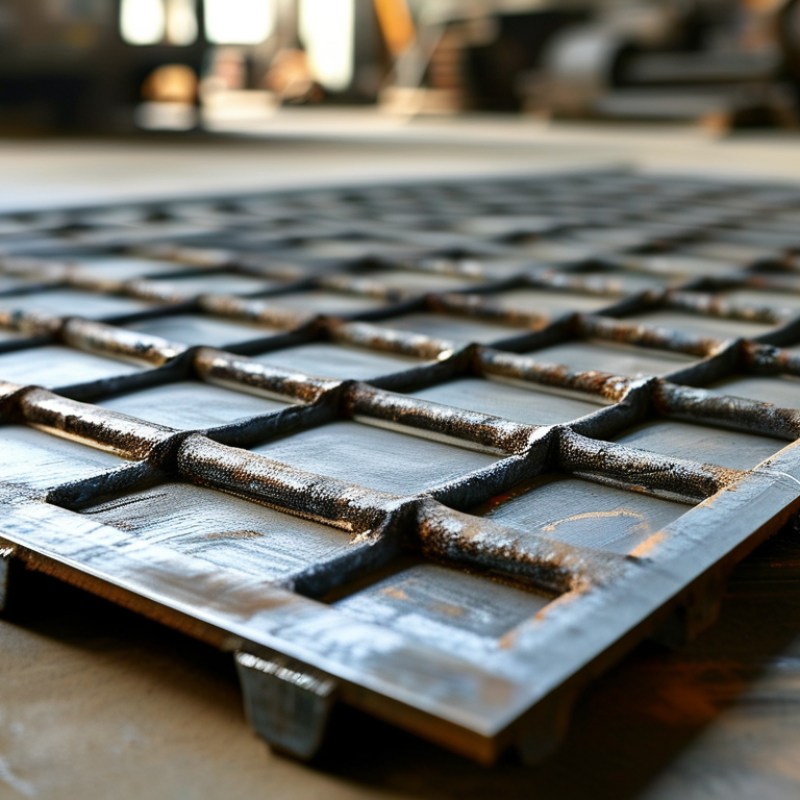
2026 Top Steel Grating Trends for Global Buyers to Watch?

Emerging Materials and Technologies in Steel Grating Production

The steel grating industry is undergoing significant transformation driven by emerging materials and technologies. Recent reports highlight that the global steel grating market is projected to grow at a CAGR of 5.2% from 2023 to 2028. This growth is fueled by advancements in material composition, including the introduction of composite materials. These materials promise enhanced durability and resistance to corrosion, making them increasingly popular in various industrial applications.

Another trend is the integration of smart technologies in steel grating production. Automation in manufacturing processes has improved precision and efficiency. Reportedly, automated systems can reduce production time by up to 30%. However, this shift towards automation raises questions about the skill gap in the workforce. As technology evolves, retraining programs may become essential.

The use of recycled steel in production is also rising. Sustainability plays a key role in material choices. Studies show that using recycled content can reduce energy consumption in manufacturing by up to 70%. Yet, sourcing consistent, high-quality recycled steel remains a challenge. Ensuring reliability in supply chains is critical for manufacturers focusing on green initiatives. Embracing new materials and technologies brings both opportunities and challenges to the steel grating sector.

Sustainability Trends Influencing Steel Grating Procurement

Sustainability is reshaping steel grating procurement strategies globally. Buyers are increasingly prioritizing environmentally friendly materials. A recent report indicates that nearly 70% of manufacturers aim to reduce their carbon footprint by 2026. This trend is driving innovations in production techniques. Recycled steel is becoming a standard material, reducing both energy consumption and waste.

A focus on energy-efficient processes is also emerging. For instance, manufacturers that adopt renewable energy sources report a 30% decrease in production costs. While these changes are promising, many companies still struggle with the transition. The integration of new technologies requires substantial investment. This can sometimes lead to uncertainty about return on investment.

Tips for buyers:
- Evaluate suppliers’ sustainability practices.
- Request transparency on materials used.
- Consider long-term benefits over initial costs.

Staying informed about sustainability trends can greatly enhance procurement strategies. Continuous improvement in materials sourcing will not only benefit businesses but also positively impact the environment. Encouragingly, collaboration within the industry is growing, creating a shared responsibility for future initiatives.

Innovative Designs for Enhanced Load-Bearing Capacity in Steel Grating

Steel grating has evolved significantly, especially in terms of load-bearing capacity. Key innovations are shaping its future. Recently, the global market for steel grating is projected to reach $5.4 billion by 2026, driven by increasing industrial applications. Manufacturers are focusing on designs that enhance durability and reduce weight, leading to a more efficient use of materials.

One notable trend is the use of advanced materials and production techniques. For instance, the adoption of high-strength steel alloys can increase load-bearing capability without significantly raising weight. Some reports indicate that properly designed grating can support loads up to 10 tons per square meter. This not only ensures safety but also minimizes costs related to material consumption.

However, despite these advancements, challenges remain. When optimizing for load-bearing capacity, manufacturers sometimes face trade-offs in design flexibility. This can lead to aesthetic limitations that may not appeal to all buyers. More studies and user feedback are needed to address these issues. Innovation must balance strength with design to meet evolving market needs effectively.

Global Market Shifts Impacting Steel Grating Demand and Pricing

The global steel grating market is undergoing significant shifts. Changes in demand and pricing stem from various factors impacting industrial sectors. Emerging economies are boosting infrastructure investments. This development will likely lead to increased steel grating demand.

Trends indicate that sustainable materials are becoming essential. Buyers now prioritize eco-friendly options. Using recycled steel can lower environmental impact. Increasing regulatory pressures are pushing manufacturers to adapt. This scenario places responsibility on buyers to choose wisely.

Tips: Consider your supply chain's sustainability. Look for certifications that ensure ethical sourcing. Be aware of fluctuating prices due to market changes. Keeping an eye on global steel trends can help you plan purchases effectively. Remember, preparation is crucial. Your choices can make a difference in both cost and environmental impact. Prioritize transparency in your sourcing decisions.

Key Industries Driving Steel Grating Trends in 2026

In 2026, key industries will significantly shape the steel grating market. The construction sector stands at the forefront of this change. Reports indicate that the global construction market is expected to reach $12 trillion by 2026, creating higher demand for durable materials. Steel grating is favored for its strength and versatility in building infrastructure.

Moreover, the oil and gas industry is a major player in driving trends. Recent studies show that this sector accounts for more than 30% of steel grating usage. With ongoing expansions in pipeline construction and refinery upgrades, the need for reliable grating solutions grows. Safety and maintenance are prime considerations for companies operating in this space.

Additionally, the rise of renewable energy projects is influencing the steel grating landscape. Wind and solar energy installations require durable platforms and walkways, which steel grating can provide. However, companies must focus on sustainability to meet evolving environmental standards. Industry reports suggest that eco-friendly steel production processes can boost market competitiveness. Addressing these challenges can pave the way for innovation in material usage.

2026 Top Steel Grating Trends for Global Buyers to Watch

Trend Key Industries Market Driver Estimated Growth (%)
Sustainable Materials Construction, Infrastructure Rising demand for eco-friendly solutions 10%
Innovative Designs Manufacturing, Industrial Customization and aesthetic considerations 8%
Lightweight Materials Transportation, Aerospace Need for efficiency and cost reduction 12%
Enhanced Durability Oil and Gas, Mining Increasing need for long-lasting products 9%
Smart Technology Integration Electronics, Smart Infrastructure Adoption of IoT and automation 15%

Article Source: