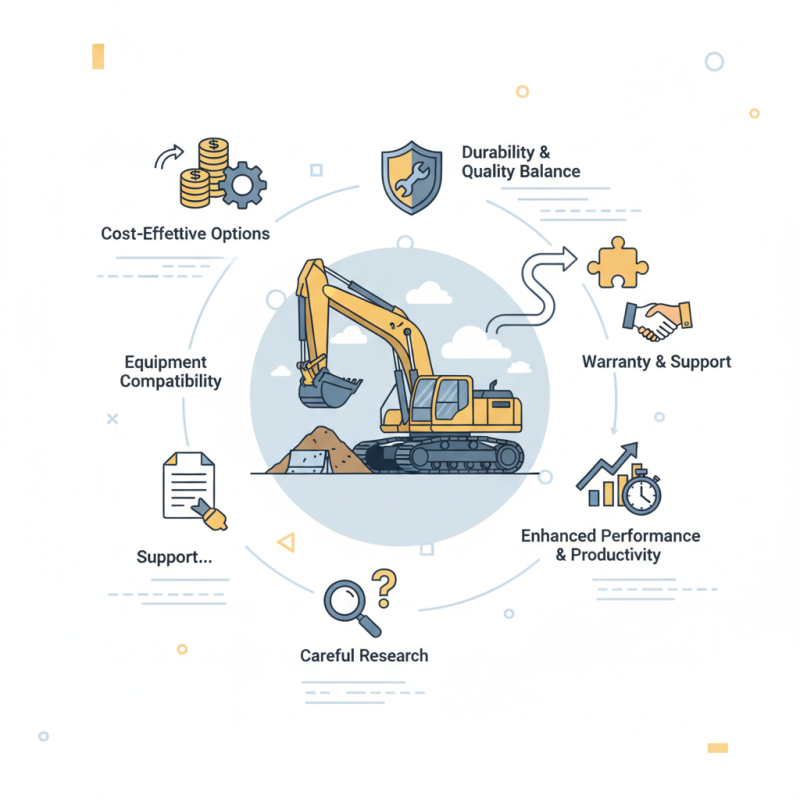
When considering the purchase of Affordable Rubber Tracks for heavy machinery, several factors come into play. Choosing the right tracks can significantly influence performance and durability. Many operators seek cost-effective options without sacrificing quality. This balance is crucial for both safety and productivity on the job site.
The market has various brands and specifications. It can feel overwhelming, but careful research is essential. Expensive does not always mean better. Some affordable rubber tracks offer excellent resilience and wear resistance. However, potential buyers must evaluate the long-term reliability of these products.
Focusing on compatibility with equipment is vital. Incompatible tracks can lead to operational issues. Additionally, users should assess the warranty and customer support. A solid warranty reflects the manufacturer’s confidence in their product. Remember, choosing affordable rubber tracks should involve thoughtful consideration of these key factors. The right decision not only saves costs but also enhances overall performance.
When selecting affordable rubber tracks for heavy machinery, consider several essential factors. Durability is crucial. According to industry reports, high-quality rubber tracks can last up to 3,000 hours of use. Cheaper options may wear out quickly, leading to additional costs over time. Regular maintenance and inspection can help extend the life of rubber tracks, ensuring they serve their purpose effectively.
Track compatibility with your machinery is paramount. Not all tracks fit every model. Incorrect sizing can cause inefficiencies and safety issues. Verifying compatibility before purchase will prevent potential headaches later. Additionally, look for tracks designed for specific applications, as they can enhance performance. Rubber tracks designed for rough terrain, for example, may provide better traction and stability.
Tips: Always consult your equipment manual for specifications. Explore user reviews for insights on performance and reliability. Investing time in research now can save money and stress in the long run. Make sure to factor in warranty options as they can safeguard your investment. Remember, lower price doesn't always equal better value.
When selecting rubber tracks for heavy machinery, various factors come into play. Understanding the specific needs of your equipment is crucial. Consider the weight and type of your machinery. Lighter machines often require more flexible tracks. Heavier ones need durable options that can withstand pressure. The right thickness and tread design can also affect performance on different terrains.
Material quality is another important factor. High-quality rubber can enhance longevity and reduce wear. Look for tracks with better resistance to cuts and punctures. However, not every track option is suitable for all tasks. Some may perform well in mud but struggle on hard surfaces. Always reflect on your usual operating environments.
The price of rubber tracks can vary widely. Cheaper options may save money upfront but could lead to higher maintenance costs. This makes cost analysis essential. Evaluate the balance between initial investment and long-term benefits. Finding the optimal rubber track option can be challenging. It's often a process of trial and error. Prioritize quality and suitability over simply choosing the least expensive track.
When evaluating the durability and performance of rubber tracks for heavy machinery, several factors are crucial. First, consider the material quality. Rubber tracks should be made from high-grade compounds that resist wear and tear. This ensures longevity, especially in demanding environments. Check the tread pattern as well. A well-designed tread enhances traction, contributing to better performance on various terrains.
Tip: Always inspect rubber tracks for signs of damage regularly. Early detection can save costs and prevent further issues.
Another key aspect is the load capacity. Understand the load requirements of your machinery. The right rubber track should be able to support these demands without compromising performance. Pay attention to the installation process as well. Proper installation can significantly impact the track's longevity and efficiency.
Tip: Ensure that your tracks are kept clean. Dirt and debris can lead to premature wear and affect performance.
Lastly, remember that not all rubber tracks are created equal. Testing them in real-world conditions may reveal their true capabilities. Sometimes, a rubber track may be sturdy but not optimized for your specific application. Evaluate your options carefully to find the best fit for your machinery.
When considering affordable rubber tracks for heavy machinery, compatibility is key. Each machinery model has specific track requirements. Failing to match them correctly can lead to performance issues and increased costs. Always check the dimensions and specifications before making a purchase.
The terrain type where the machinery operates also plays a role. For instance, tracks designed for muddy terrains differ from those suitable for rocky surfaces. Regular use on the wrong surface may cause premature wear. It’s essential to evaluate your operational environment.
Research can help identify the best rubber tracks for your machinery. Consult user manuals or manufacturer specifications. Seek advice from industry experts, as their experience can guide you in making informed choices. Feeling overwhelmed is common. Taking the time to understand compatibility can save future headaches.
When considering rubber tracks for heavy machinery, budgeting is crucial. The cost of replacement can vary significantly. Factors like the size of the machinery, track durability, and intended use heavily influence the price. It's essential to analyze how often tracks need replacement. Frequent replacements can impact your overall budget.
Another aspect to consider is quality versus cost. Cheaper tracks might save money upfront but lead to higher long-term costs. Investing in higher-quality tracks can reduce maintenance and replacement frequency. However, finding the right balance requires thorough research and comparison.
Don't forget to evaluate the impact of downtime. If machinery is out of service for track replacement, it can lead to lost revenue. Calculating potential losses from that downtime helps refine your budget. Reviewing supplier options also plays a role. A reliable supplier can provide insights into the best choices for your specific needs. Engaging with experts can be an invaluable step in making the best decision for your circumstances.