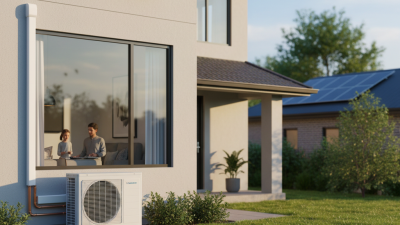
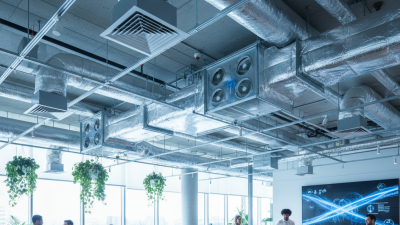
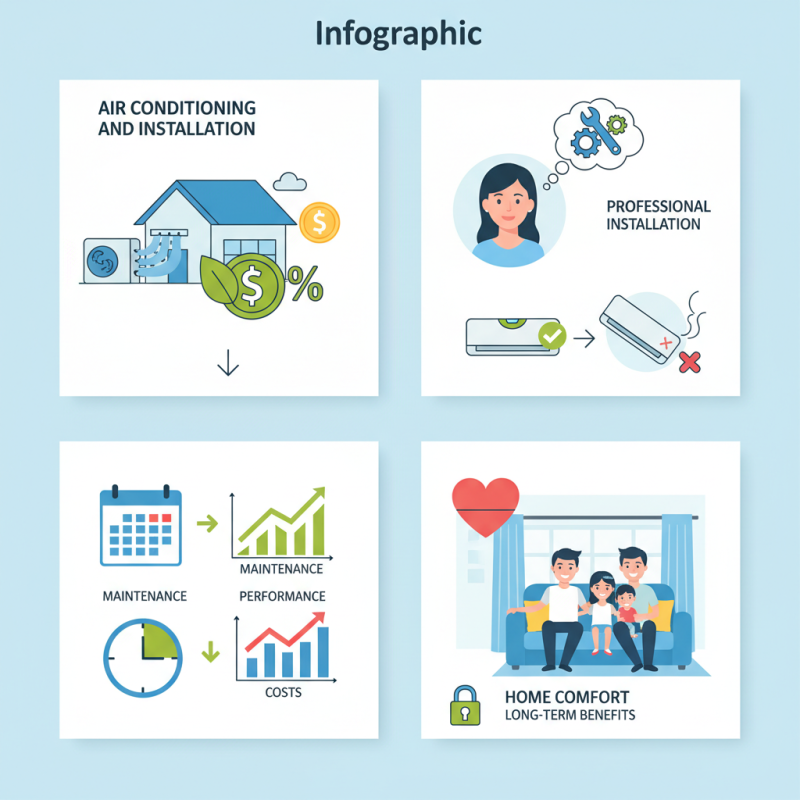
Air conditioning and installation are vital for ensuring home comfort. According to the U.S. Department of Energy, a well-maintained air conditioning system can save homeowners up to 30% on cooling costs. This statistic emphasizes the significant impact of proper installation and regular upkeep.
Industry expert Dr. Emily Finnegan states, "Investing in quality air conditioning and installation is essential for optimal home comfort." Her insights highlight the importance of professional installation to avoid common pitfalls. Improper installation can lead to inefficiencies and increased energy bills, proving that skimping on quality can be costly.
Moreover, many homeowners overlook routine maintenance. Neglecting this can cause a system to underperform or break down. In fact, the Air Conditioning Contractors of America (ACCA) reports that 75% of service calls are due to inadequate maintenance. In the pursuit of comfort, it's crucial to acknowledge the long-term benefits of investing in air conditioning and installation.
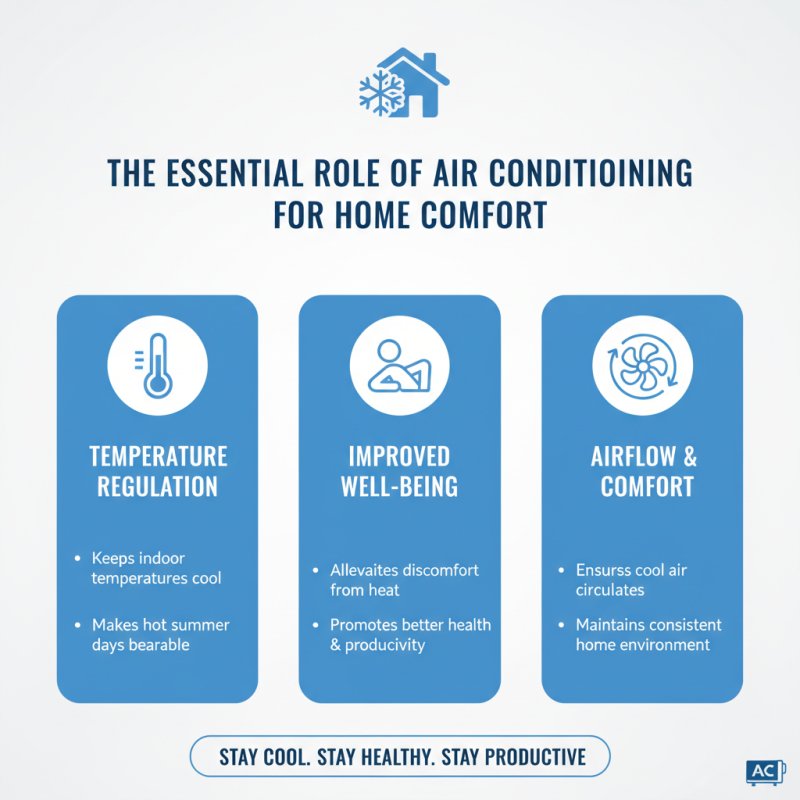
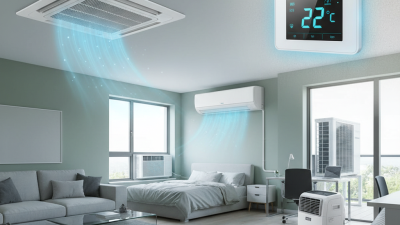
Air conditioning plays a vital role in creating a comfortable home environment. It regulates indoor temperatures, making hot summer days bearable. A well-functioning system ensures cool air flows throughout your home. It helps to alleviate discomfort during scorching heat waves. This is essential for maintaining good health and productivity.
Effective air conditioning also contributes to indoor air quality. With filters that capture dust and allergens, it promotes a healthier living space. This is especially important for those with allergies or respiratory issues. However, improper installation can lead to inefficiencies. Poorly placed units might not cool spaces evenly, resulting in unwanted hot spots. This not only affects comfort but can also increase energy bills unexpectedly.
Regular maintenance is crucial for sustained performance. Neglecting this aspect can lead to costly repairs and replacements. Homeowners often overlook this step, thinking their systems are fine. In reality, dirty filters and unserviced units can create a cycle of discomfort and expense. Addressing these issues proactively can greatly enhance home comfort.
Air conditioning systems play a crucial role in home comfort. Understanding their key components is vital for proper maintenance and functionality. An air conditioning unit typically consists of a compressor, condenser, evaporator, and expansion valve. Each part has its job, working together to cool and dehumidify the air.
The compressor circulates refrigerant. It compresses gas into high-pressure vapor, preparing it for cooling. The condenser then releases heat outside. Here, the refrigerant transforms into a liquid. Meanwhile, the evaporator absorbs heat from your home's air. This is where the cool air you feel comes from.
**Tip:** Regularly clean or replace your air filter. A dirty filter restricts airflow and makes the unit work harder. This can lead to inefficiency. **Tip:** Check ductwork for leaks. Sealing these can improve efficiency and comfort. Paying attention to these details can make a difference in system performance.
Neglecting these components can cause problems. Refrigerant leaks may occur. The system may struggle to maintain temperature. You may also experience increased energy bills. Keep an eye on your air conditioning system. It pays off in the long run.
The installation process for air conditioning is critical. It requires careful planning and execution. Begin by assessing your home layout. Identify where the unit will be placed. This location affects efficiency. Measure the area to ensure adequate airflow. Take note of windows and doors that impact cooling.
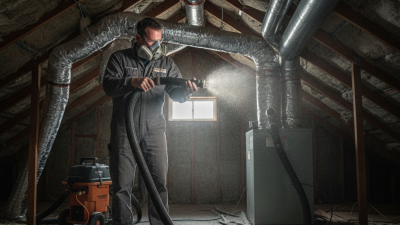
Next, ensure you have the right tools. Basic tools like drills and wrenches are necessary. But having measuring tapes and levels can make a difference. Many people overlook this step. Improper measurements can lead to costly adjustments later. Check the ductwork too. Poorly configured ducts can reduce performance. Cleaning or sealing them may be needed.
Finally, follow safety protocols throughout. This ensures your well-being during installation. Familiarize yourself with electrical connections. Mistakes here can lead to hazards. If you encounter difficulties, don’t hesitate to seek help. It’s better to ask than to risk issues down the line. The goal is to create a comfortable and efficient home environment.
Air conditioning plays a crucial role in home comfort, especially during hot summer months. Proper installation is essential, but maintenance keeps your system running efficiently. Regular check-ups ensure air filters are clean and units are functioning well, reducing energy costs.
One helpful tip is to clean or replace air filters every few months. Dirty filters can obstruct airflow, making your AC work harder. This not only increases energy bills but may also shorten the lifespan of your unit. Additionally, inspecting the outdoor unit for debris is vital. Leaves, branches, and dirt can hinder performance.
Consider scheduling a professional maintenance visit annually. Experts can identify issues you might overlook. They can also check refrigerant levels and inspect ducts for leaks. Ignoring these details may lead to unexpected breakdowns. Simple steps can enhance your system's performance, but neglecting them might result in discomfort when it's hottest outside.
| Maintenance Tip | Frequency | Impact on Performance | Potential Savings |
|---|---|---|---|
| Change Air Filters | Every 1-3 months | Improves airflow and efficiency | Up to 15% on energy bills |
| Clean Condenser Coils | Annually | Enhances cooling efficiency | Up to 20% on cooling costs |
| Inspect Ductwork | Every 2-3 years | Reduces energy losses | Up to 30% on heating/cooling bills |
| Check Thermostat Settings | Seasonally | Ensures accurate temperature control | Can save about 10% in energy costs |
| Schedule Professional Tune-Up | Annually | Maximizes system lifespan | Up to 25% on repairs |
Air quality significantly impacts home comfort and overall health. Poor air quality can lead to allergies, respiratory issues, and fatigue. Harmful pollutants accumulate in our living spaces over time. Dust, mold, and smoke from cooking can fill the air. These pollutants can irritate the lungs and worsen chronic conditions.
Inadequate ventilation is a common problem in many homes. Without proper airflow, pollutants linger, causing discomfort. A well-installed air conditioning system helps to maintain clean air. It filters out allergens and reduces humidity, creating a healthier environment. However, improper installation can lead to inefficiencies. An improperly sealed unit may allow air leaks, reducing its effectiveness.
Regular maintenance is also essential. Dirty filters can clog systems and worsen air quality. Homeowners need to check and replace filters regularly. Often, this simple task is overlooked. Ultimately, paying attention to air quality is vital for comfort and health. Everyone should reflect on their home's air quality and make improvements where necessary.