Choosing an air conditioning box is not just a matter of matching dimensions to a machine. Global buyers also need to consider climate, installation space, service access, and shipping conditions. A cabinet that fits neatly in a factory may perform poorly outdoors if heat, rain, dust, or salt-laden air are overlooked. Small details matter: door seals, drain openings, cable entries, and the clearance around ventilation panels can affect daily operation. Fit is only the start.
This guide presents seven practical buying tips for comparing products and suppliers. It covers materials, cooling capacity, protection features, customization, documentation, quality checks, and delivery planning. The best choice depends on the equipment and its working environment, so one specification rarely suits every project. A useful comparison starts with actual measurements, operating temperatures, and maintenance requirements—not a catalog image alone. Images can mislead. Ask suppliers to clarify what is included, how performance is tested, and which options change the price or lead time. Where possible, review drawings or a sample before approving a large order. Some buyers may still discover a missed requirement during installation; that is worth acknowledging. Careful questions cannot remove every risk, but they can expose gaps early and support a more reliable purchasing decision.
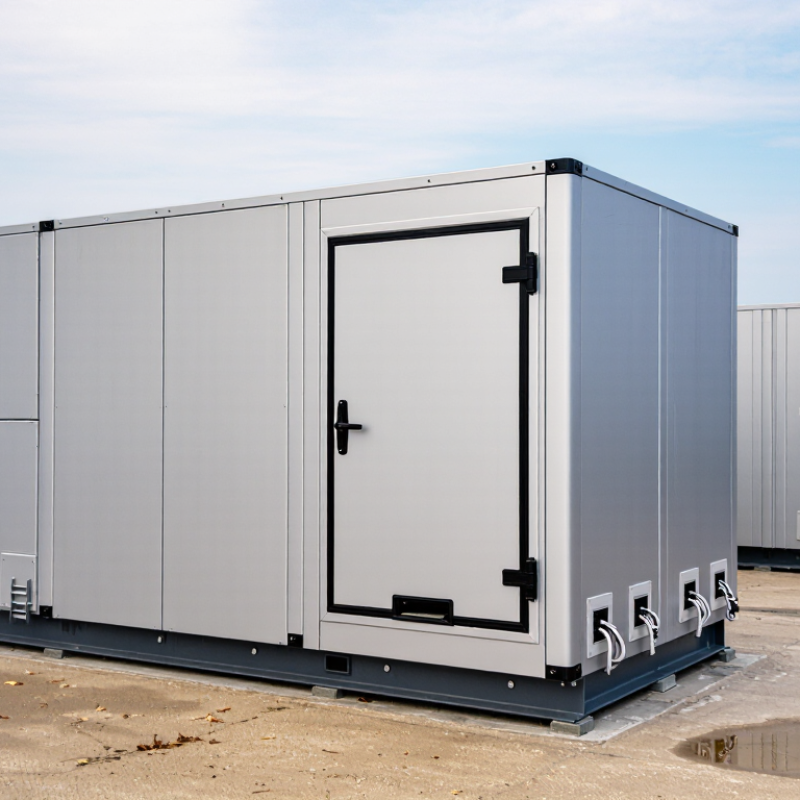
An air conditioning box protects and organizes the electrical and control components that help an HVAC system operate. It may contain circuit protection, terminals, relays, or a controller, depending on the equipment design. A suitable enclosure helps limit exposure to dust, moisture, vibration, and accidental contact. It also needs enough internal space for wiring and maintenance access. Small details matter. A crowded box can make inspection and servicing harder.
Common types include indoor control boxes, outdoor-rated enclosures, and distribution boxes. Control boxes manage system functions, while distribution boxes route and protect electrical supplies. Outdoor versions usually need stronger resistance to weather and corrosion than indoor models. The right choice depends on installation location, system configuration, and the environment. That sounds simple. It isn't always. Product names can vary between suppliers, so compare the actual function and specifications rather than relying on labels alone.
Before buying, confirm the required voltage, dimensions, mounting method, cable entries, and protection rating. Check whether the box is supplied with components or only as an enclosure. For humid or dusty sites, ask how the seals and cable openings are designed. A neat label is not proof of suitability. Request clear drawings and technical data, then compare them with the installation requirements. Even experienced buyers can miss a small clearance or access issue.
Choosing an air conditioning box starts with the cooling load, not a rough room-size estimate. Heat from windows, machinery, lighting, and people can change the required capacity. Check the room’s area, ceiling height, insulation, local climate, and operating hours. A box that is too small may run constantly; an oversized unit can cycle too often and control humidity poorly. Small details matter. Ask the supplier for the capacity rating and the conditions used to calculate it.
Measure the installation space at several points, including the doorway or access route. Record the unit’s width, height, and depth, then allow room for pipes, cables, airflow, and maintenance access. Do not measure only the visible opening. A few centimeters can decide whether the cabinet fits. This is easy to overlook, even on a careful drawing. Confirm connection locations and required clearances against the product specifications before placing an order.
Installation needs should be agreed upon early. Check the available power supply, drainage route, mounting surface, and any duct or ventilation connections. Consider how technicians will reach filters and service panels after the unit is installed. For international projects, confirm voltage and frequency compatibility with the site, and request clear installation drawings. Photos of the intended location can help resolve assumptions, though they cannot replace measurements. A practical checklist reduces avoidable changes once equipment arrives.
| Buying tip | What to define | Typical planning reference | Installation check |
|---|---|---|---|
| 1. Match capacity to the space | Cooling capacity in BTU/h or kW; assess room area, ceiling height, insulation, sun exposure, occupancy, and heat-producing equipment. | A rough initial estimate is about 20–30 BTU/h per square foot (215–323 BTU/h per square metre). A 150 ft² (14 m²) room might start near 3,000–4,500 BTU/h, before a proper load assessment. | Confirm the manufacturer’s rated capacity and local design conditions. Avoid sizing from floor area alone, especially in hot climates or poorly insulated rooms. |
| 2. Check the full external dimensions | Record width, height, depth, service-panel access, and any required clearance around the unit or enclosure. | Small room units commonly occupy roughly 18–30 in (46–76 cm) in width and 12–24 in (30–61 cm) in height; actual dimensions vary substantially by unit type and capacity. | Measure the opening and access route, including doors, stairs, and turns. Use the exact product drawing and clearance instructions before building a recess or cabinet. |
| 3. Confirm the mounting or enclosure type | Identify whether the equipment is window-mounted, through-wall, split-system, or packaged, and whether “box” means a housing, sleeve, or complete unit. | A through-wall sleeve must match the selected unit’s specified opening and sleeve depth; there is no universal sleeve size. | Check wall thickness, structural support, weather sealing, vibration isolation, and access to filters and service panels. Do not obstruct air intake or discharge. |
| 4. Verify electrical compatibility | Specify supply voltage, frequency, phase, rated current, starting requirements, and plug or hard-wiring arrangement. | Residential equipment is commonly designed for a local supply such as 115 V or 208–230 V at 60 Hz in some markets, or 220–240 V at 50 Hz in others. Ratings are product-specific. | Match the nameplate to the site supply and have circuit, breaker, grounding, and wiring requirements checked by a qualified electrician under local code. |
| 5. Plan condensate drainage | Determine condensate outlet position, drainage route, expected humidity, and whether a pump is needed. | Condensate output varies with humidity and operating conditions; use the unit’s drain connection details rather than assuming a fixed daily volume. | Provide the slope or pump arrangement required by the installation manual. Route water away from walls, walkways, electrical equipment, and neighbouring property. |
| 6. Check climate, airflow, and efficiency | Compare operating temperature range, airflow, noise rating, and the efficiency label used in the destination market. | Efficiency metrics differ by region, such as SEER/CEER, EER, or seasonal efficiency ratings. Compare products using the same local rating method. | Keep inlet and outlet paths clear, allow required outdoor-unit ventilation, and confirm the unit is rated for the expected ambient temperatures. |
| 7. Confirm transport, compliance, and service access | Request packed dimensions, gross weight, refrigerant details, manuals, certification documents, and replacement-filter availability. | Shipping dimensions and weight include packaging and may differ from the installed product dimensions and net weight. | Check import and electrical-safety requirements for the destination country. Leave safe access for cleaning and servicing; refrigerant work may require a licensed technician. |
Note: Capacity and dimension figures are general planning references, not specifications for a particular product. Confirm final sizing, clearances, electrical requirements, and installation details in the selected unit’s documentation and applicable local codes.
When comparing air-conditioning boxes, match the enclosure material to its environment. Powder-coated steel suits many indoor installations, while stainless steel resists corrosion better in damp or washdown areas. Aluminum is lighter, but thin panels may dent more easily. Check panel thickness, gasket fit, and ingress protection together. A costly material cannot compensate for a poorly sealed door.
Components matter just as much. Inspect the compressor, fan, filter, thermostat, and condensate drain, then confirm replacement parts are available locally. A clogged filter or undersized fan can reduce cooling and increase operating strain. Small detail. Big impact. Also check whether the unit’s cooling capacity suits the cabinet’s heat load, rather than choosing by cabinet size alone.
Compare energy figures under the same test conditions. EER and seasonal efficiency ratings can help, but test methods differ by market. The International Energy Agency’s The Future of Cooling report estimated that global space-cooling energy demand could more than triple by 2050, reaching about 6,200 TWh annually. That projection concerns cooling broadly, not cabinet units specifically. Still, it makes efficient equipment and correct sizing worth scrutiny. It is tempting to choose the lowest purchase price; a basic lifetime-cost estimate may reveal a different answer. Conversely, efficiency claims are less useful without clear test data and operating-temperature ranges.
An air conditioning box that works well in a mild warehouse may struggle in a humid coastal plant or a dusty inland workshop. Match its rated operating temperature and humidity range to the actual site, not just the regional average. Check peak summer heat, cold starts, altitude, and airborne dust. Ask for test data under conditions close to yours. A small mismatch can mean frequent shutdowns.
Certifications need careful checking. Confirm that the unit’s electrical ratings, safety approvals, and electromagnetic compatibility documents apply to the destination market and exact model. Request current certificates and test reports, then compare the model numbers. A familiar-looking logo alone proves little. Also review the enclosure’s ingress protection rating; it matters when washdowns or fine dust are part of daily work. This detail is easy to overlook.
Supplier reliability is just as practical as cooling capacity. Ask how quickly the supplier can provide filters, fans, and control components, and whether replacement parts will remain available. Request references from customers with similar climates or duty cycles. Check response times before placing a large order, not after a fault occurs. I may be cautious here, but a polished quotation does not guarantee steady support. A short service agreement can clarify responsibilities, though the wording still deserves a close read.
Refrigerant choice can affect environmental compliance and long-term marketability. The chart shows commonly cited IPCC Fourth Assessment Report (AR4)-based 100-year global warming potential (GWP100) values: R-410A, 2,088; R-32, 675; R-454B, 466; and R-290, 3. Lower GWP alone does not determine equipment suitability: confirm local regulations, safety requirements, climate performance, certifications, and supplier documentation before purchasing.
For an air conditioning box, compare landed cost, not just the quoted unit price. Include installation, energy use, spare parts, import duties, and inland delivery. The International Energy Agency’s 2018 report, The Future of Cooling, projected that global energy demand for air conditioning could more than triple by 2050. That makes efficiency ratings and expected operating hours important cost factors. Ask suppliers for test conditions behind performance figures; ratings from different conditions may not be directly comparable.
Warranty wording deserves a close read. Check the coverage period, parts and labor, claim location, and who pays return freight. Confirm whether corrosion, voltage variation, or frequent cycling affects coverage. International shipping terms matter too: specify the named delivery place and the agreed Incoterms rule, then confirm who handles insurance, customs clearance, and unloading. UNCTAD reported a 42% drop in Suez Canal transits over two months amid disruptions in early 2024, illustrating how route changes can affect lead times and freight costs. A low freight quote is not a firm landed cost.