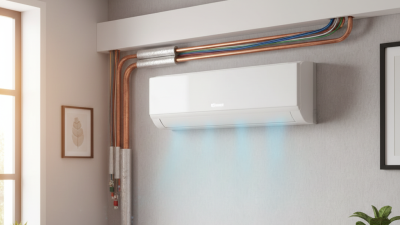
Air conditioning installation is a crucial aspect of modern home comfort, ensuring that indoor environments remain cool and pleasant, especially during the scorching summer months. According to HVAC expert Dr. Emily Taylor, "The right air conditioning installation can drastically enhance the efficiency of your system, leading to better energy savings and a more comfortable living space." Proper installation is not just about placing a unit in your home; it involves careful consideration of various factors including the size of the unit, the layout of your home, and local climate conditions.
In this comprehensive guide, we will explore the essential aspects of air conditioning installation, from selecting the appropriate system for your needs to understanding the installation process itself. We aim to equip homeowners with the knowledge to make informed decisions and to highlight common mistakes to avoid during this crucial phase. With the right information and expert tips, you can ensure that your air conditioning installation goes smoothly, providing lasting comfort and efficiency for years to come. Whether you're a first-time homeowner or looking to upgrade your current system, this guide serves as your go-to resource for a successful air conditioning installation.
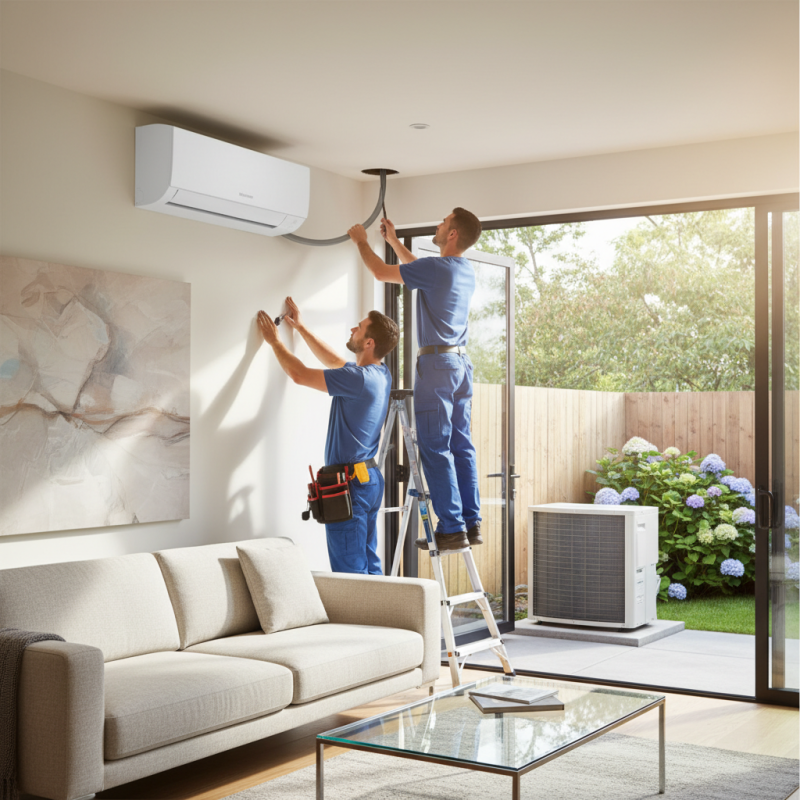
Air conditioning installation is a crucial aspect of ensuring comfort and efficiency in modern homes. Understanding the basics of this process begins with recognizing that proper installation can maximize the system's performance and longevity. According to the U.S. Department of Energy, approximately 30% of energy used for heating and cooling in homes is wasted due to poor installation practices. This inefficiency not only increases utility costs but also has a negative environmental impact.
The installation process typically involves several key steps, including assessing the appropriate unit size, selecting the right location, and ensuring proper ductwork is in place. Research from the Air Conditioning Contractors of America indicates that roughly 60% of HVAC system failures can be traced back to improper installation. To mitigate these risks, it is advisable to consider hiring qualified professionals who understand the nuances of air conditioning systems, follow industry standards, and utilize correct techniques. By prioritizing a proper installation, homeowners can achieve optimal comfort, energy efficiency, and cost savings over the lifespan of their air conditioning systems.
| Dimension | Details |
|---|---|
| Installation Types | Central Air Conditioning, Window Units, Ductless Mini-Split Systems |
| Key Components | Compressor, Evaporator Coil, Expansion Valve, Condenser Coil |
| Installation Process Steps | 1. Site Assessment 2. Equipment Selection 3. Ductwork Inspection 4. Mounting Outdoor Unit 5. Installing Indoor Unit 6. Connecting Refrigerant Lines 7. Electrical Wiring 8. Testing System |
| Common Mistakes | Improper Sizing, Poor Sealing, Incorrect Refrigerant Levels, Neglecting Maintenance |
| Tips for Homeowners | Choose the Right System, Hire Certified Professionals, Schedule Regular Maintenance, Consider Energy Efficiency Ratings |
An air conditioning system comprises several key components, each playing a crucial role in cooling and maintaining indoor air quality. The most prominent part is the compressor, which is responsible for circulating the refrigerant throughout the system. It compresses low-pressure refrigerant gas and converts it into a high-pressure gas, thus initiating the cooling cycle. The efficiency of the compressor directly affects the system's overall performance, making it a vital element in ensuring effective air conditioning.
Another essential component is the evaporator coil, located inside the home. As the warm air from indoor spaces passes over the coil, the refrigerant absorbs heat, cooling the air before it is circulated back into the rooms. This process not only lowers the temperature but also helps in dehumidifying the air, contributing to a comfortable indoor environment. The expansion valve, which regulates the flow of refrigerant into the evaporator coil, plays a significant role in maintaining the balance between pressure and temperature within the system.
Condenser coils are also integral to the functioning of air conditioning units, situated outside the home. After the refrigerant absorbs heat indoors, it travels to the condenser coils, where it releases heat to the outside air, allowing the refrigerant to transform back into a cooler liquid. Together with the fan that aids in air circulation, these components work synergistically to enhance the efficiency and effectiveness of the air conditioning system, ensuring optimal cooling performance for your home.
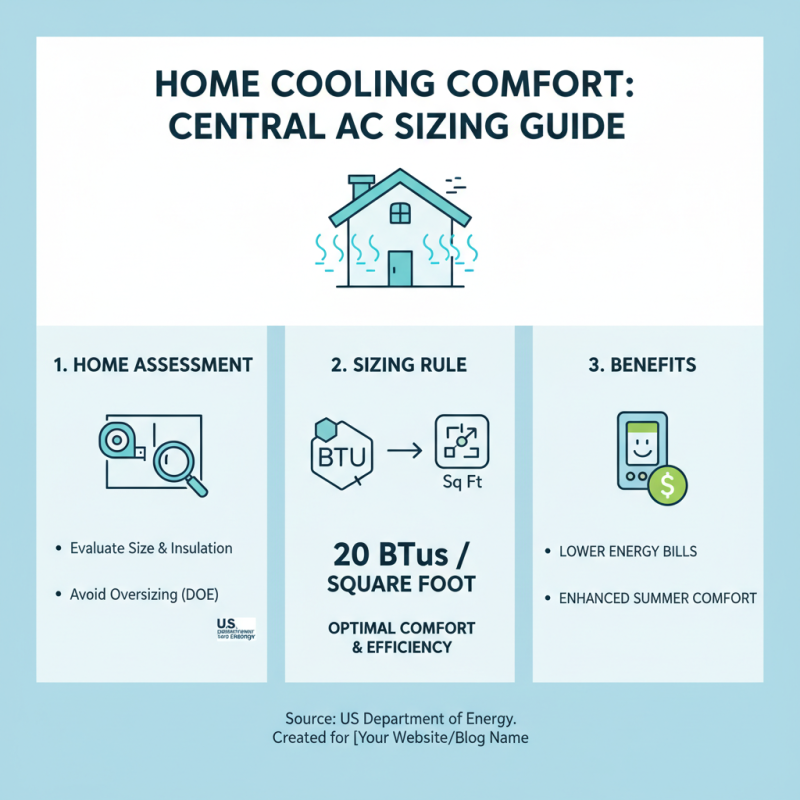
Installing a central air conditioning unit can significantly enhance the comfort of your home, especially during hot summer months. The installation process typically begins with a detailed assessment of your home’s size and insulation. According to the U.S. Department of Energy, properly sizing your air conditioning system is crucial; an oversized unit can lead to inefficiency and higher energy bills. The general guideline is to allow about 20 BTUs (British Thermal Units) for each square foot of living space. This ensures optimal comfort without overworking the system.
Next, you’ll focus on selecting the right location for your outdoor and indoor units. The outdoor condenser should be placed in a shady area to enhance its efficiency, reducing energy consumption by up to 10%, as noted by the American Society of Heating, Refrigerating and Air-Conditioning Engineers (ASHRAE). Once location is set, installation involves electrical connection, refrigerant line setup, and ensuring proper air flow and drainage systems are in place to prevent moisture accumulation. Data from the Environmental Protection Agency underscores the importance of proper installation, as it can ensure energy savings of 30% or more. By following these steps meticulously, homeowners can enjoy a cool living environment while also being mindful of energy efficiency.
When it comes to air conditioning installation, avoiding common mistakes is crucial for ensuring optimal performance and longevity of the system. A significant error many homeowners make is underestimating the importance of proper sizing. According to the U.S. Department of Energy, improper sizing can lead to increased energy costs—up to 30% higher—due to inefficient operation. An oversized unit may cool a space too quickly, failing to effectively dehumidify, while an undersized unit will struggle to maintain a comfortable temperature.
Another prevalent mistake is neglecting the installation of ductwork. Poorly designed or installed ducts can cause significant air loss, leading to inefficiencies and elevated utility bills. The American Society of Heating, Refrigerating and Air-Conditioning Engineers (ASHRAE) highlights that duct leakage can account for 20% to 30% of energy consumption for cooling systems. In addition, not properly sealing or insulating ducts can further compromise the system’s efficiency, making it essential to ensure that all components are correctly handled during installation.
Lastly, many overlook the importance of professional installation. DIY installations may seem cost-effective, but they often result in subpar performance. The Air Conditioning Contractors of America (ACCA) states that a professional installation can optimize the system’s efficiency and improve its lifespan. Investing in qualified technicians not only enhances comfort but also safeguards against future costly repairs resulting from installation errors.
Maintaining your air conditioning system is essential for ensuring optimal performance and longevity. Regular maintenance can prevent potential issues before they escalate, which not only saves money on repairs but also improves energy efficiency. One of the key maintenance tasks is to check and replace the air filters periodically. Clogged filters restrict airflow and can cause the system to work harder, leading to increased energy consumption and reduced cooling capacity. Ideally, filters should be checked monthly, and replaced or cleaned every 1 to 3 months, depending on usage and the presence of dust or allergens in your home.
Another important aspect of air conditioning maintenance is cleaning the outdoor unit. This involves removing any debris such as leaves, dirt, or branches that may obstruct airflow. Ensure that the area around the unit is clear, as proper airflow is crucial for efficient operation. Additionally, it’s advisable to have a professional technician perform an annual inspection of your system. They can check the refrigerant levels, inspect electrical components, and ensure that all parts are functioning correctly.
Consistent maintenance not only extends the life of your air conditioning system but also enhances its performance, providing you with a comfortable indoor environment year-round.