Air conditioning is more than cold air from a ceiling vent. It is a controlled system that manages temperature, humidity, airflow, and indoor comfort. Readers searching for “and services air conditioning” usually want clear answers about equipment, maintenance, repairs, and installation. This guide explains those services in practical terms.
A typical system includes an indoor coil, outdoor condenser, refrigerant lines, filters, electrical controls, and a thermostat. During a service visit, a qualified technician may inspect airflow, measure temperatures, test electrical connections, clean coils, and check refrigerant performance. Small details matter. A blocked filter can strain the blower and raise energy use. Poor drainage may leave water near the indoor unit. Unusual sounds should not be ignored.
Installation requires accurate sizing, safe connections, suitable ductwork, and careful commissioning. Maintenance may include filter replacement, coil cleaning, drain inspection, and performance testing. Repairs can involve motors, capacitors, sensors, compressors, or control boards. Some problems are simple. Others require specialist tools and manufacturer guidance.
A reliable service provider should explain the diagnosis, expected cost, warranty terms, and recommended next steps. Credentials and insurance also deserve attention. Local safety rules may apply, especially to electrical work and refrigerant handling. Online advice cannot replace an in-person inspection. That limitation matters.
Not every efficiency claim is realistic. An older system may need replacement, but replacement is not always the first answer. Good advice considers the building, climate, usage, budget, and repair history. Comfort is personal. The right service should be practical, transparent, and supported by evidence.
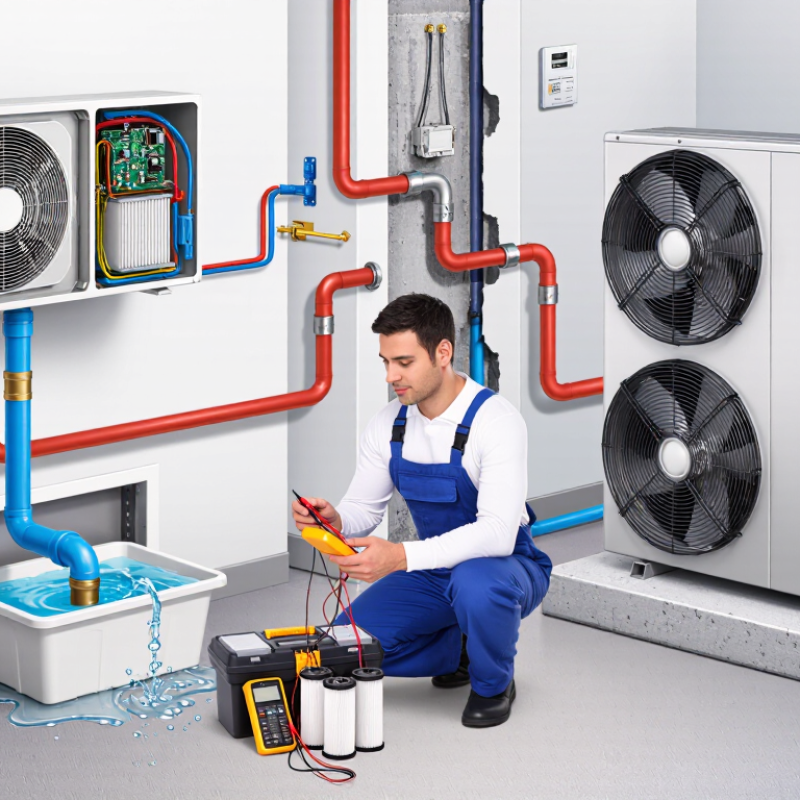
Air conditioning is a heat-transfer system, not a machine that creates cold. It removes indoor heat and releases it outdoors. A refrigerant carries this heat through a closed loop. The compressor raises the refrigerant’s pressure and temperature. The outdoor coil then rejects heat into the surrounding air. Next, an expansion device lowers the refrigerant pressure. The indoor coil becomes cold and absorbs heat from the room.
A blower moves warm indoor air across that cold coil. The system also removes moisture, so the room feels less humid. Condensed water drains away through a small pipe. The cycle repeats until the thermostat reaches its target. Simple in theory. Real systems are less tidy. Restricted airflow, dirty coils, poor insulation, or an incorrect refrigerant charge can reduce comfort and increase energy use.
The U.S. Energy Information Administration’s 2020 Residential Energy Consumption Survey reports that about 88% of American homes use air conditioning. The International Energy Agency’s The Future of Cooling report warns that global space-cooling demand could more than triple by 2050 without stronger efficiency measures. Professional service should check airflow, electrical connections, coil condition, drain lines, and operating pressures. Technicians should also measure performance instead of guessing from temperature alone. A practical inspection can reveal a weak capacitor, a blocked filter, or uneven airflow before a complete breakdown. I still think many explanations oversimplify maintenance. A cool room does not always mean a healthy system.
Air conditioning removes heat and moisture from indoor air. It then circulates cooler air through a room or building. The right system depends on floor area, insulation, climate, and daily use.
A split system has an indoor air handler and an outdoor condenser. It suits many homes and provides steady cooling through fixed vents. A central system uses ductwork to cool several rooms at once. Ductless mini-split systems serve separate zones without large ducts. They work well in older buildings or room additions. Window units cool one room, while portable units offer flexible placement. However, portable models may be noisier and less efficient.
Cooling performance relies on more than the equipment itself. Professional services usually include load assessment, installation, airflow testing, filter replacement, and drain inspection. Technicians also check electrical connections, refrigerant pressure, coil condition, and unusual vibration. Refrigerant leaks need careful testing and qualified handling. They should not be guessed from weak cooling alone.
Maintenance matters.
A blocked filter can restrict airflow within weeks. Dirty coils may increase energy use and shorten compressor life. In my view, comfort complaints are sometimes blamed on the system too quickly. Poor insulation or open doors may be the real cause. Even a correctly installed unit can perform badly when ducts leak. A detailed inspection often reveals these small, practical problems.
An air conditioning system moves heat rather than simply creating cold air. Its compressor raises the refrigerant’s pressure and temperature. The condenser coil then releases heat outdoors, often through a fan and metal fins. At the expansion device, pressure drops sharply. The refrigerant becomes colder before entering the indoor evaporator coil.
The evaporator absorbs heat from room air. A blower pushes that air across the coil, while a filter catches dust before it reaches the equipment. Moisture also condenses on the cold coil. It drains through a pan and pipe, which can clog and cause water damage. Thermostats, sensors, electrical controls, and safety switches coordinate these parts. Small failures matter.
They often start quietly.
The International Energy Agency reports that cooling represents about 10% of global electricity consumption. That figure makes component condition more than a comfort issue. The U.S. Department of Energy identifies airflow, refrigerant charge, and coil cleanliness as important factors in system performance. In field inspections, a packed filter can make a blower sound strained, while a dirty outdoor coil may feel unusually hot to the touch. These signs are useful, but not conclusive. I have seen systems blamed on low refrigerant when restricted airflow caused the real problem. Technicians should measure temperature differences, pressure, electrical readings, and drainage before recommending repairs. Maintenance commonly includes filter replacement, coil cleaning, drain testing, electrical inspection, and refrigerant evaluation by qualified personnel. Some service decisions remain imperfect, especially when older components have limited documentation.
An air-conditioning system removes heat and moisture from indoor air, then circulates cooled air back into the space. The chart shows the typical sequence of heat transfer through the main components of a vapor-compression cooling system.
The compressor raises the refrigerant pressure, the condenser releases heat outdoors, the expansion device lowers refrigerant pressure, and the evaporator absorbs heat from indoor air. Common services include installation, refrigerant checks, filter replacement, coil cleaning, airflow testing, electrical inspection, and preventive maintenance.
Air conditioning keeps indoor spaces cool by moving heat outside. Its performance depends on several connected parts, not just the thermostat. Common services include seasonal inspections, filter replacement, airflow testing, and temperature checks between supply and return vents.
A qualified technician usually cleans the indoor evaporator coil and outdoor condenser coil. Dust on either coil can reduce heat transfer and raise energy use. The technician also inspects refrigerant levels, electrical connections, capacitors, fan motors, and safety controls. Refrigerant should not be handled casually. Proper testing matters because low levels may indicate a leak, not simply normal use.
Drain maintenance is easy to overlook. A blocked condensate line can cause water around the indoor unit or musty odors. Technicians may flush the line, inspect the drain pan, and check insulation near cold pipes. They can also examine ductwork for loose joints and damaged insulation. A clean filter helps, but it is not a complete tune-up. I have seen homeowners replace filters regularly while ignoring weak airflow and unusual cycling. That habit deserves a second look. During maintenance, note rattling, short cooling cycles, uneven rooms, or rising utility costs. These details help a technician diagnose problems before a small fault becomes an expensive repair. Maintenance should follow the equipment manual and local safety requirements, especially when electrical panels or refrigerant systems are involved.
| Service or Task | What It Involves | Recommended Timing | Common Indicators | Primary Benefit |
|---|---|---|---|---|
| Air Conditioning System Inspection | A technician checks the indoor unit, outdoor unit, ductwork, electrical connections, controls, airflow, and visible refrigerant lines. | At least once a year; more often for heavily used systems. | Uneven cooling, unusual sounds, reduced airflow, or rising energy use. | Identifies developing problems before they cause a breakdown. |
| Air Filter Replacement or Cleaning | The filter is inspected and replaced or cleaned according to its design and the manufacturer’s instructions. | Typically every 1–3 months, depending on filter type, pets, dust, occupancy, and system use. | Weak airflow, dusty rooms, more frequent cycling, or a visibly dirty filter. | Supports airflow, indoor air quality, and efficient operation. |
| Evaporator Coil Cleaning | Dust and debris are removed from the indoor coil so that heat can transfer properly and air can pass through the coil. | During annual maintenance or when dirt buildup is found. | Reduced cooling capacity, restricted airflow, or coil icing. | Helps restore heat transfer and reduces strain on the system. |
| Condenser Coil Cleaning | Leaves, dirt, and other debris are removed from the outdoor coil and surrounding area while maintaining adequate clearance. | Annually and after periods of heavy debris or landscaping activity. | Long cooling cycles, overheating, or poor performance on hot days. | Improves outdoor heat rejection and helps protect the compressor. |
| Condensate Drain Service | The drain line and drain pan are inspected and cleared of algae, dirt, and blockages; the condensate pump may also be tested. | During routine maintenance or whenever drainage problems appear. | Water near the indoor unit, musty odors, or an unexpected shutdown. | Reduces the risk of water damage and moisture-related problems. |
| Refrigerant System Check | Operating pressures, temperature readings, and accessible tubing are evaluated; suspected leaks are located and repaired before refrigerant is added. | When cooling performance declines, ice forms, or a leak is suspected. | Insufficient cooling, ice on refrigerant lines, or extended run times. | Supports correct cooling performance and prevents avoidable refrigerant loss. |
| Electrical and Controls Testing | Connections, capacitors, contactors, relays, wiring, thermostats, and safety controls are inspected and tested where appropriate. | During annual service and whenever the system fails to start or cycles abnormally. | Clicking sounds, intermittent operation, tripped breakers, or inaccurate temperatures. | Promotes reliable operation and helps identify electrical hazards. |
| Blower and Fan Inspection | The blower wheel, indoor fan, outdoor fan, motor, and related components are checked for dirt, wear, balance, and proper operation. | Annually or when airflow and noise problems occur. | Rattling, vibration, weak airflow, or a fan that stops unexpectedly. | Helps maintain airflow and reduces mechanical stress. |
| Ductwork and Airflow Assessment | Accessible ducts, registers, grilles, dampers, and insulation are checked for leaks, blockages, disconnections, and airflow restrictions. | When rooms cool unevenly or after renovation and duct changes. | Hot or cold spots, dusty areas, whistling sounds, or poor airflow from vents. | Improves air distribution and can reduce energy waste. |
| Thermostat Testing and Calibration | The thermostat’s display, temperature reading, settings, wiring, and communication with the system are checked. | During routine maintenance or when indoor temperature does not match the setting. | Short cycling, incorrect readings, delayed starts, or comfort fluctuations. | Supports consistent comfort and appropriate system cycling. |
| Air Conditioning Repair | A malfunction is diagnosed and defective components may be repaired or replaced, such as motors, capacitors, controls, coils, or drain parts. | As soon as a confirmed fault affects safety, comfort, or operation. | No cooling, repeated shutdowns, burning smells, leaks, or abnormal noises. | Restores safe and dependable system operation. |
| System Replacement or Installation | The existing system is evaluated, equipment capacity is selected for the space, and the new indoor and outdoor components are installed, connected, tested, and commissioned. | When repair costs, age, repeated failures, or performance limitations make replacement practical. | Frequent breakdowns, obsolete components, persistent comfort problems, or poor efficiency. | Provides a properly matched system with updated controls and components. |
Note: Maintenance intervals vary with equipment type, operating hours, indoor conditions, filter design, and local climate. Electrical, refrigerant, and major repair work should be performed by a qualified professional.
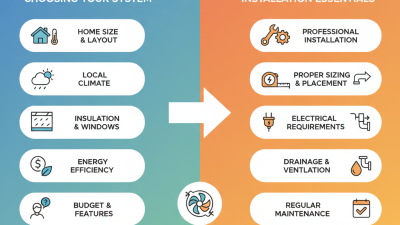
Choosing the right air conditioning service begins with identifying the actual problem. A weak airflow may come from a blocked filter, dirty coils, damaged ductwork, or an undersized system. The International Energy Agency reported in The Future of Cooling that cooling demand has more than tripled since 1990. It may triple again by 2050. That makes careful servicing increasingly important.
A reliable technician should inspect airflow, electrical connections, refrigerant levels, drainage, filters, and duct insulation. Ask for a written diagnosis before approving repairs. The U.S. Department of Energy notes that dirty filters restrict airflow and reduce efficiency. Seasonal maintenance may also prevent water leaks and unexpected shutdowns. However, maintenance is not magic. An old system may still consume excessive energy after cleaning. Replacement should follow measured performance, repair history, and household cooling needs, not sales pressure.
Tips: Compare at least two detailed quotations. Check licensing, insurance, service guarantees, and response times. Ask whether the inspection includes a load assessment, not only a quick visual check. Small detail, big difference. Avoid choosing solely by the lowest price; vague work descriptions often create higher costs later. I would also photograph the equipment label and note unusual sounds before the visit. Those imperfect details can help the technician diagnose faster.