Why Are Air Systems Essential for Modern Indoor Environments?

Air systems play a crucial role in today's indoor environments. They regulate temperature, humidity, and air quality. According to Dr. Emily Carter, an expert in HVAC systems, "Quality air systems are not just a luxury; they are essential for health and productivity."

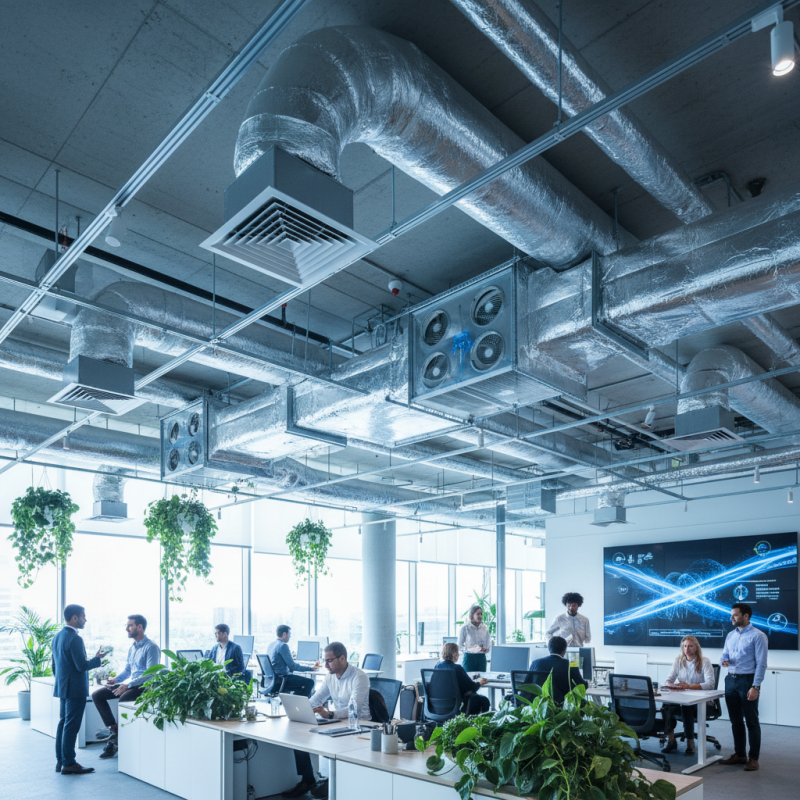
In modern buildings, air systems are vital. They filter pollutants and provide fresh air. However, many fail to recognize their importance. Poor air circulation can lead to health issues. Allergens and toxins build up, affecting our well-being.

Moreover, reliance on outdated systems can hinder performance. Regular maintenance is often overlooked. This neglect can sometimes lead to inefficient energy use. Indoor environments should foster wellness, but we must reflect on our current practices. Are we doing enough to prioritize air systems?
Why Are Air Systems Essential for Modern Indoor Environments?

The Role of Air Systems in Indoor Air Quality Management
Why Are Air Systems Essential for Modern Indoor Environments?

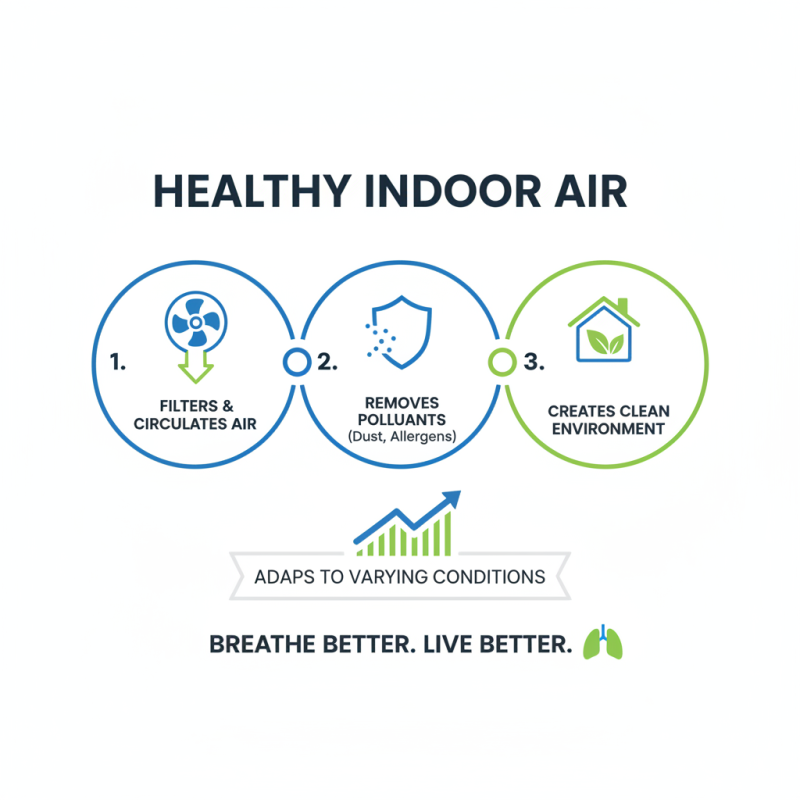
Air systems play a critical role in maintaining indoor air quality. They work by filtering and circulating air, removing dust, allergens, and pollutants. Healthy indoor environments require clean air. Many people spend significant time indoors, so air systems must adapt to varying conditions.

An effective air system can control humidity levels. Inadequate humidity can lead to discomfort and health issues. Too much humidity can foster mold growth and dust mites. Therefore, monitoring and managing these factors is essential. In some buildings, air systems fail to deliver the expected results. This oversight can lead to poor air quality.

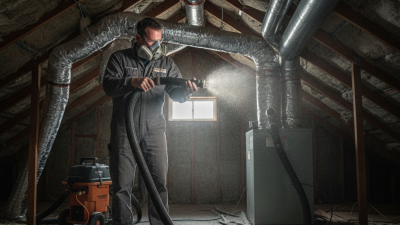
Regular maintenance of air systems is often neglected. Filters need changing, and ducts require cleaning; otherwise, the system can become inefficient. In some cases, occupants may not even notice deterioration in air quality right away. Addressing these issues is crucial for everyone’s well-being. It’s a constant challenge for building managers to ensure optimal air conditions. Balancing energy efficiency with air quality is not always straightforward.
Impact of Air Systems on Energy Efficiency in Buildings

Why Are Air Systems Essential for Modern Indoor Environments?

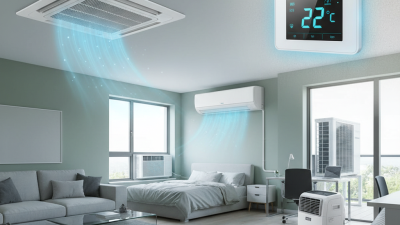
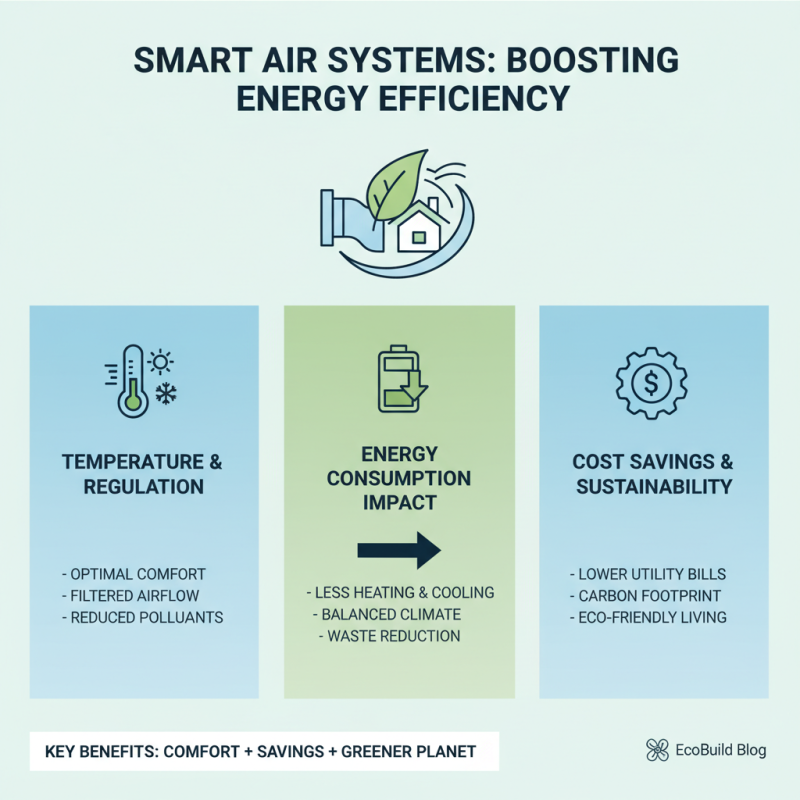
Air systems play a crucial role in enhancing energy efficiency in modern buildings. They regulate temperature and air quality, which significantly impacts energy consumption. Efficient air systems minimize the need for excessive heating and cooling. This leads to lower energy bills for homeowners and businesses alike.

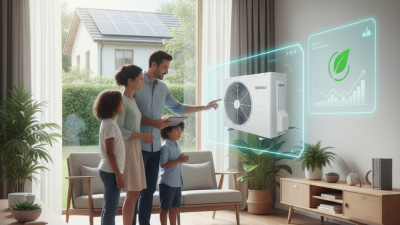
Consider the common scenario of over-reliance on HVAC systems. Many buildings operate these systems at maximum capacity, wasting energy. Simple adjustments, like ensuring regular maintenance, can improve efficiency. Additionally, using smart thermostats helps maintain optimal conditions without unnecessary energy expenditure.

However, there is still room for improvement. Many buildings lack adequate insulation, leading to energy loss. Improved insulation complements air systems by retaining conditioned air longer. Education around proper usage and maintenance also remains vital. Many users overlook their air systems, not realizing their significant impact on energy efficiency. Addressing these issues is essential for a sustainable future.

Technological Advancements in Modern Air System Designs

Modern air systems are vital in creating comfortable indoor environments. Technological advancements have transformed these systems, improving air quality and energy efficiency. Sensors now monitor air quality in real-time. They adjust ventilation based on the number of occupants. This ensures that the air we breathe remains clean and healthy.

Tips: Regular maintenance is key. Forgetting to clean filters can lead to poor air quality. It’s important to schedule routine checks. This helps systems run more efficiently and saves energy.

Innovative designs include smart thermostats. These adapt to user patterns, enhancing comfort. Different zones can have unique temperature settings. This personalizes experience but may lead to uneven heating.

Tips: Utilize natural airflow when possible. Open windows on cooler days to refresh indoor air. Relying solely on HVAC may miss out on free ventilation. Balancing modern technology and simple practices can greatly enhance indoor air systems.

Health Benefits of Regulated Indoor Air Environments

Regulated indoor air environments play a crucial role in our health. Clean air can significantly reduce allergy symptoms. Good air quality helps to minimize respiratory issues. This is especially vital for children and the elderly. They are more susceptible to pollutants. Contaminants can come from various sources. Dust, mold, and volatile organic compounds (VOCs) are common offenders.

Proper air systems can filter these harmful particles. They help maintain humidity at healthy levels. Low humidity can lead to dry skin and respiratory discomfort. High humidity encourages mold growth. An air system regulates this balance, providing a stable environment. In the end, the goal is to create a safe space. Yet, many neglect maintenance. Filters can become clogged or dirty over time. This can reduce airflow and air quality. Regular checks and cleanings are essential. Overlooking this can lead to unnecessary health risks.

Indoor air quality is often forgotten. Many people think it's just fine. However, the lack of fresh air circulation can create problems. Stagnant air often carries odors and pollutants. This can lead to fatigue and reduced concentration. Investing in a good air system is important, but vigilance is essential too. We need to be proactive about our health and environment.

Regulatory Standards Governing Indoor Air Systems Performance

Indoor air quality is crucial for health and productivity. Regulatory standards play a key role in ensuring that indoor air systems perform effectively. These standards often dictate ventilation rates, filtration efficiency, and acceptable pollutant limits. Compliance helps to minimize respiratory issues and promotes overall well-being.

When designing air systems, attention to compliance is vital. Regulations ensure that air systems do not just function but do so efficiently. Failing to meet standards can lead to unanticipated health risks. Every space has unique needs, and generic solutions may not suffice. It is essential to continually evaluate performance against these standards.

Tips: Regular maintenance of air systems is critical. Filters should be checked and replaced as necessary. Consider monitoring air quality to ensure regulatory compliance. Engage professionals for performance assessments. Constantly re-evaluating these standards helps refine indoor environments for better comfort and efficiency.