Top 10 Benefits of Cold Rolled Coil for Manufacturers?

Cold Rolled Coil has become essential for manufacturers across various industries. Its unique properties offer several advantages that improve production processes and end product quality. This article will explore the top 10 benefits of using Cold Rolled Coil.

Manufacturers appreciate its precise dimensions. It allows for better consistency in production runs. Cold Rolled Coil provides improved surface finish, enhancing aesthetics. This feature is vital for applications where appearance matters. The material's strength and flexibility help create durable products. However, some may overlook the potential for rust if not treated properly.

In today’s competitive market, efficiency is key. The lightweight nature of Cold Rolled Coil often reduces transportation costs. It can also decrease energy consumption during manufacturing. But, it's important to evaluate the cost versus the benefits carefully. Every manufacturer needs to consider their specific needs. Overall, Cold Rolled Coil presents significant opportunities.
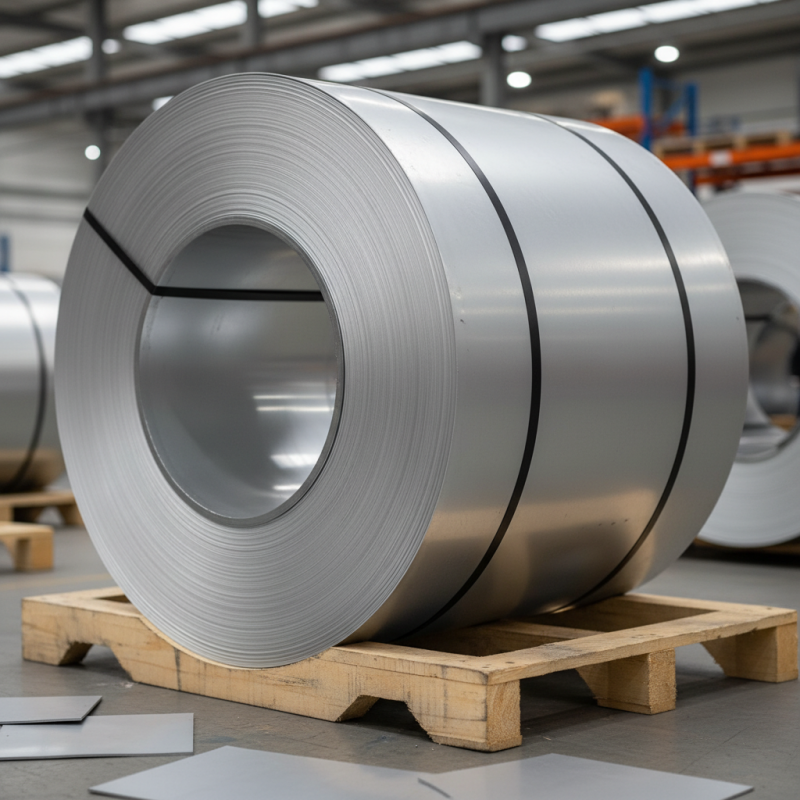
Top 10 Benefits of Cold Rolled Coil for Manufacturers?

Benefits of Cold Rolled Coil in Enhancing Structural Integrity in Manufacturing

Cold rolled coil (CRC) has become a vital component in modern manufacturing. Its precise dimensions and smooth surfaces significantly enhance structural integrity. According to a report by the International Steel Association, using cold rolled steel can improve yield strength by 20-30%. This is crucial for applications demanding durability and reliability.

Many manufacturers notice an increase in production efficiency when utilizing CRC. Its uniform thickness allows for easier handling and reduces waste during cutting and shaping. However, cold rolled products can be more brittle than hot rolled products, making them less suitable for highly ductile applications. This brittleness is a factor to consider in high-stress environments.

Recent studies indicate that over 70% of manufacturers prefer cold rolled steel for automotive and construction industries. It offers excellent surface finish, which is essential for visual quality in end products. Yet, cold rolled steel is sensitive to corrosion without protective coatings. Manufacturers must address this issue to ensure longevity. The cost of proper treatment can be significant, but the benefits often outweigh these expenses.

Improved Surface Finish: The Aesthetic Advantage of Cold Rolled Products

Cold rolled coil is known for its exceptional surface finish. This aesthetic quality is crucial for manufacturers who prioritize visual appeal. A smooth and shiny surface can enhance the overall look of finished products. It allows for better paint adhesion and reduces the need for further finishing processes. Moreover, cold rolled products often present a cleaner and more uniform appearance.

However, achieving a perfect surface finish is not without challenges. Some manufacturers may overlook the importance of quality control during production. Tiny imperfections can still arise, impacting the final product's appeal. Manufacturers might feel tempted to compromise on quality for speed. This could lead to a less attractive surface, which may reflect poorly on their brand.

The balance between efficiency and aesthetics is delicate. While cold rolled coils offer many benefits, it’s essential to pay attention to detail. Each blemish can affect the perception of quality. Just a small flaw might make a significant difference in customer satisfaction. Reflecting on production practices is vital to maximize the advantages of cold rolled products.

Cost Efficiency: Analyzing the Economic Impact on Manufacturing Processes

Cold rolled coils (CRCs) have a significant economic impact on manufacturing processes. These materials offer cost efficiency due to their manufacturing method. According to a recent report by the Steel Institute, using CRC can reduce production costs by as much as 15%. This reduction arises from decreased waste and streamlined production techniques. The precision in thickness and finish also minimizes the need for additional processing, saving time and resources.

Many manufacturers report improved product quality when using CRC. A study by the Metal Forming Association noted that 80% of manufacturers observed fewer defects in their end products. When defects occur, rework costs can spiral. This reality emphasizes the importance of selecting high-quality materials. The upfront investment in CRC can pay off through lower long-term operational costs and better durability.

However, there are challenges with cold rolled coils. Some manufacturers face initial resistance to adopting new materials. Transitioning to CRC can require re-training staff or adjusting existing machinery. Yet, these hurdles often lead to improved production flexibility. The ability to create thinner and stronger products supports innovation. Overall, the economic benefits of cold rolled coils make them a compelling choice for forward-thinking manufacturers.

Enhanced Dimensional Tolerance: Precision Engineering with Cold Rolled Steel

Cold rolled steel offers remarkable advantages for manufacturers, especially concerning dimensional tolerance. It undergoes a precise manufacturing process that enhances its accuracy. The result is steel with specifications that meet the exact requirements of various applications. This precision is crucial in industries like automotive and construction, where even minor deviations can lead to significant issues.

The specifications in cold rolled coil production are meticulously controlled. This control ensures that the thickness and width of the material are uniform, minimizing variability. However, achieving perfect dimensional tolerance is challenging. Some batches may still display slight variances, prompting manufacturers to engage in additional quality checks. These checks can be time-consuming but help ensure the final product aligns with required standards.

Moreover, the smooth surface of cold rolled steel can also influence precision engineering. It allows for better machining and finishing processes. Nonetheless, a perfectly smooth surface can sometimes mask surface defects that could affect performance. Thus, a balance must be struck between aesthetics and structural integrity. Manufacturers can benefit by being vigilant and adopting continuous improvement strategies.

Top 10 Benefits of Cold Rolled Coil for Manufacturers

This chart illustrates the enhanced dimensional tolerance of cold rolled coil compared to other steel processing methods. The data represents various benefits rated on a scale from 1 to 10 based on precision, resistance to deformation, and overall manufacturing efficiency.

Corrosion Resistance: Longevity and Durability Benefits for Manufacturers

Cold rolled coils offer significant corrosion resistance, enhancing longevity and durability for manufacturers. According to a report by the Steel Institute, cold rolled steel typically demonstrates a lifespan increase of 20-30% compared to hot rolled options. This is crucial for industries that require robust materials for construction and machinery.

The process of cold rolling strengthens the steel and creates a smooth finish. This smooth surface helps prevent the accumulation of harmful substances that can lead to rust and deterioration. Manufacturers benefit from reduced maintenance costs and fewer replacements. However, it’s essential to note that conditions can vary. Environmental factors, such as humidity and exposure to chemicals, can still impact corrosion rates.

Despite these advantages, some manufacturers overlook proper coatings and treatments that can further enhance corrosion resistance. It is a common oversight. Implementing additional protective measures can ensure maximum longevity. The benefit of cold rolled coils largely hinges on mindful use in various applications. Ensuring the proper selection for specific environments will lead to substantial long-term savings.