Best Air Conditioning Covers for All Seasons How to Choose?

Choosing the right air conditioning cover is crucial for maintaining your HVAC system throughout the year. Many homeowners overlook this essential accessory, leading to costly repairs. A good air conditioning cover protects your unit from harsh weather, dirt, and debris. It helps extend the longevity of your system, ultimately saving money.

When selecting an air conditioning cover, consider the size and type of your unit. Covers come in various shapes and materials. Some are waterproof, while others offer UV protection. Understanding these details can help you make a better choice. Some covers might not fit well, which can cause more harm than good.

It’s also important to consider the seasonal changes. You might need different covers for summer and winter. It shows how easy it is to get it wrong. Take time to research options and customer reviews. Finding the best cover requires effort, but it pays off. Proper protection is worth the investment.
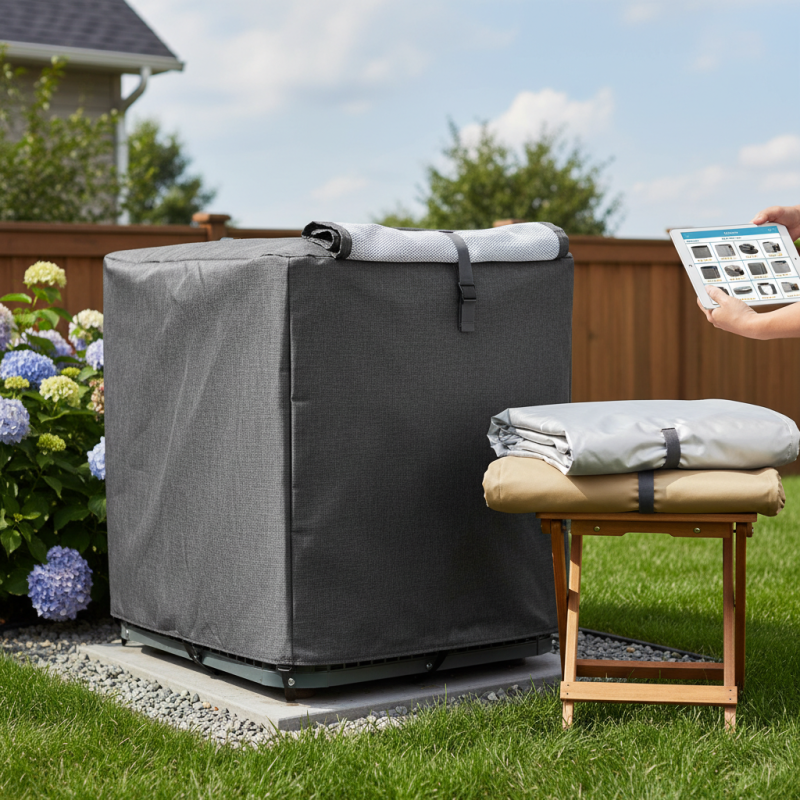
Best Air Conditioning Covers for All Seasons How to Choose?

Types of Air Conditioning Covers for Seasonal Protection

Choosing the right air conditioning cover is crucial for seasonal protection. Covers come in various types, each designed to meet specific needs. Most homeowners are unaware that improper covering can lead to significant damage. According to industry reports, 25% of outdoor units can suffer from debris-related issues without proper covers.

There are several types of covers available. Heavy-duty vinyl covers provide excellent protection against harsh winter conditions. They help prevent moisture accumulation, which can lead to rust. Conversely, breathable covers allow moisture to escape, reducing mildew growth. These adaptable options cater to varying climates.

Many people overlook the importance of size and fit. An ill-fitting cover can allow dirt and pests inside, which may cause costly repairs. Seasonal changes can affect how well a cover performs. For instance, UV damage can weaken certain materials over time. It's essential to think about these factors when selecting a cover.
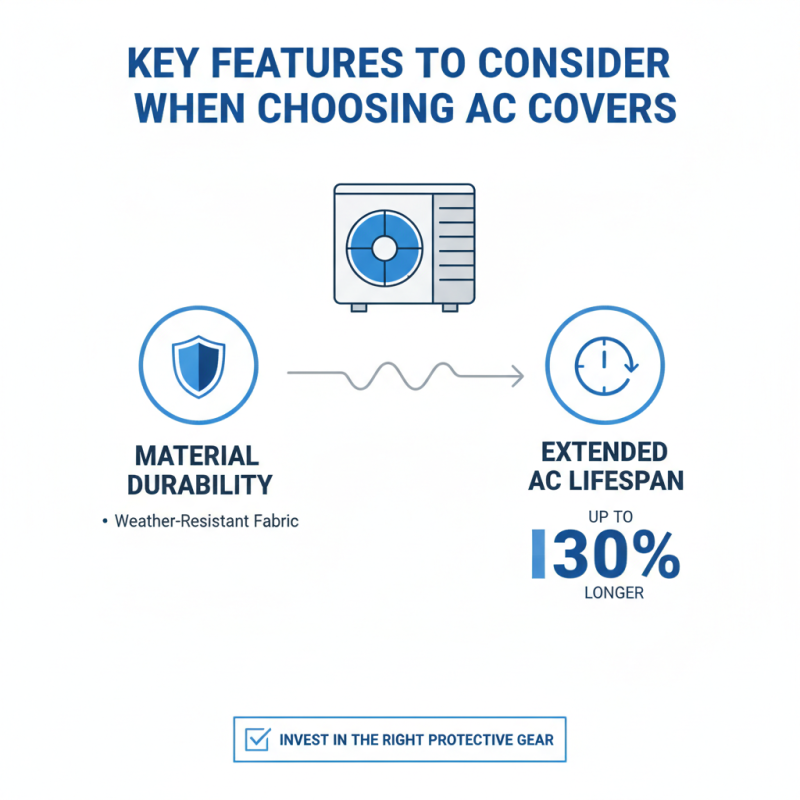
Key Features to Consider When Choosing AC Covers

Best Air Conditioning Covers for All Seasons How to Choose?

When selecting air conditioning covers, several key features must be considered. Material durability is crucial. A cover made from weather-resistant fabric can withstand harsh conditions. Research indicates that high-quality covers can extend the lifespan of AC units by up to 30%. This statistic underscores the importance of investing in the right protective gear.

Another essential feature is the fit. An ill-fitting cover can trap moisture, leading to mold or corrosion. Measurements should be precise, accounting for any obstructions like pipes or drainage systems. It's noted that a snug fit not only protects the unit but also promotes better air circulation.

Additionally, consider the ease of installation. Many consumers prefer covers that can be set up quickly. Complex designs often lead to misuse or damage. A straightforward design facilitates proper use, ensuring reliable protection. While choosing, reflect on how these aspects affect your specific needs. Having the right cover can make a noticeable difference in your unit's efficiency and overall lifespan.

Materials Used in Air Conditioning Covers: A Comprehensive Guide

When choosing air conditioning covers, the material is crucial. Different environments require specific materials for effective protection. For instance, durable polyester offers excellent resistance against rain and snow. It's lightweight but strong enough to withstand harsh winter conditions. This material also dries quickly, preventing mold growth underneath.

Another option is vinyl. It is waterproof and easy to clean, making it ideal for humid climates. However, it may not be as breathable as polyester, which can lead to trapped moisture. Consider breathable fabrics that allow air circulation while still blocking debris. These materials help maintain the integrity of the unit.

Remember, not all materials suit every situation. Some covers may wear out faster in extreme temperatures. Users often overlook the importance of fit as well. A loose cover can lead to damage during storms. Choosing the right material is a balance of benefits and drawbacks. Reflect on your local weather patterns to make an informed choice that protects your air conditioning unit effectively.

Best Air Conditioning Covers for All Seasons: A Comprehensive Guide

Cover Type Material Weather Resistance Insulation Price Range
Standard Cover Polyester Water Resistant Low $20 - $40
Heavy-Duty Cover Canvas Water & UV Resistant Medium $40 - $80
Insulated Cover Foam Laminated Fabric Water & Frost Resistant High $60 - $100
Airflow Cover Mesh Fabric Moisture Wicking Low $15 - $30
Custom Fit Cover UV Resistant Vinyl All-Weather High $100 - $150

Installation and Maintenance Tips for Air Conditioning Covers

When considering air conditioning covers, proper installation is crucial. A cover protects the unit from debris, moisture, and extreme weather. Data indicates that about 25% of outdoor units suffer from weather-related damage. A tailored cover helps minimize this risk. Ensure that the cover fits snugly. A loose cover can allow dirt and leaves to enter, rendering it ineffective.


Maintaining air conditioning covers is equally important. Regularly check for wear and tear. A 2022 study revealed that neglecting maintenance could reduce unit efficiency by up to 15%. Clean the cover periodically to avoid mold and mildew buildup. Over time, these factors can affect air quality inside the home.


Consider seasonal adjustments. During winter, a heavier cover is advisable. In contrast, lighter covers may suffice for milder seasons. An improperly chosen cover can lead to condensation issues, impacting the unit's longevity. Be mindful of these details to ensure a functional and efficient air conditioning system.

How to Determine the Right Size for Your Air Conditioning Cover

Choosing the right size for your air conditioning cover involves more than just measurement. A well-fitted cover can protect your unit from debris and harsh weather. According to the Air Conditioning Contractors of America (ACCA), improper sizing can lead to system inefficiency and increased energy costs.

To determine the size, start by measuring your unit’s dimensions. Width, length, and height are crucial. For example, a standard central air conditioning unit can measure around 24-30 inches wide and 30-36 inches tall. Make sure to add a couple of inches for ease of fit. This small adjustment allows for airflow, preventing moisture buildup.

If you buy a cover too large, it might blow away or let debris in. If it’s too small, it won’t offer adequate protection. A report by the U.S. Department of Energy suggests that nearly 25% of homes use improperly sized covers. Homeowners often overlook this, thinking a loose fit is harmless. Each season, reevaluating the size is wise, as many factors can affect fitting. Keep in mind, not all covers are created equal in material quality either.