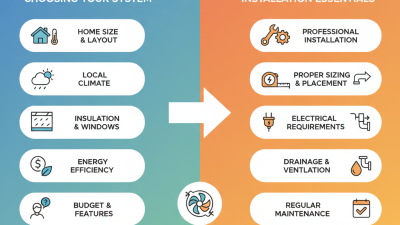
Choosing the right air conditioning solutions and services is crucial for comfort. With numerous options available, it can feel overwhelming. This decision affects your home’s climate and energy costs significantly.
When selecting air conditioning services, consider experience and expertise. Not all providers have the same level of skill or knowledge. Look for companies with a strong reputation and valid certifications. Reading customer reviews can provide insights into their reliability.
It’s important to evaluate your needs carefully. A one-size-fits-all approach rarely works. Reflect on your space, budget, and long-term goals. Balancing cost and quality is essential. You want effective cooling without overspending or compromising efficiency.
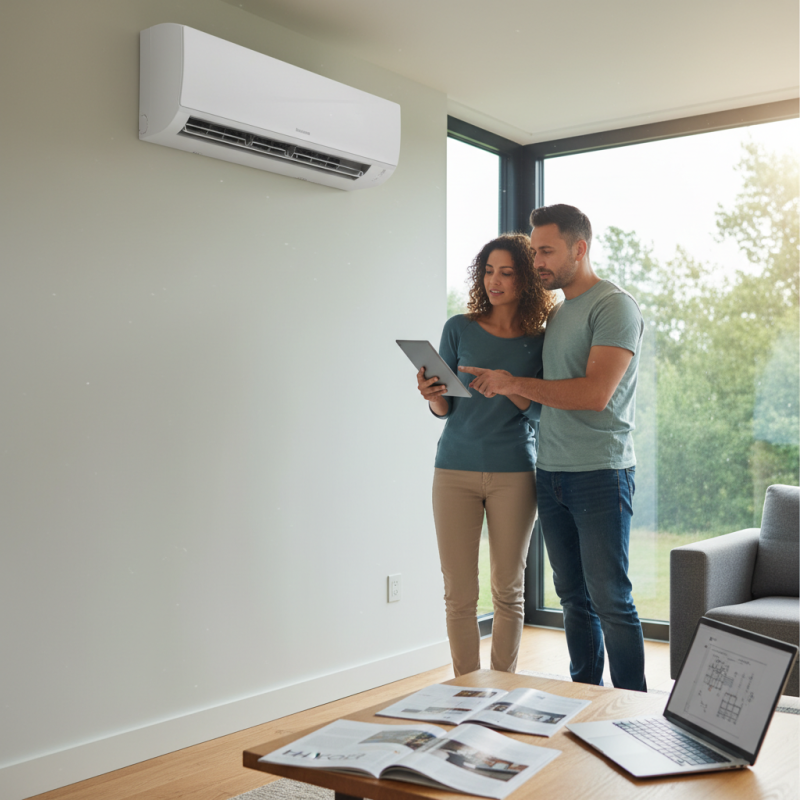
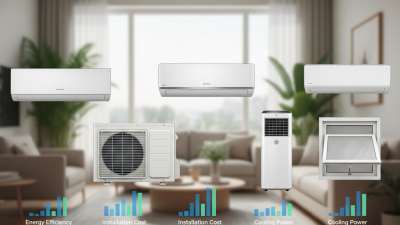
When selecting an air conditioning system, understanding the types available is crucial. Split systems are popular for residential spaces. They consist of an indoor unit and an outdoor condenser. This setup allows for easy installation and efficient cooling. However, some users find them bulky and less aesthetically pleasing.
Central air conditioning is another option, ideal for larger homes. It circulates cool air through ducts, providing uniform temperature control. While effective, this system can require significant upfront investment. Many homeowners struggle with ductwork maintenance, which can lead to inefficiencies over time.
Ductless mini-split systems offer flexibility. They provide cooling to specific areas without the need for ductwork. They are suitable for homes without existing ducts. However, their installation can be complex. Users often face challenges in placement and potential visual disruption. Choosing the right type involves weighing these factors carefully.
When considering energy efficiency ratings for air conditioning units, understanding the metrics is crucial. The Seasonal Energy Efficiency Ratio (SEER) and the Energy Efficiency Ratio (EER) are often referenced. Higher ratings indicate better efficiency. However, this can vary based on local climate and home insulation. A high SEER in a humid area may not yield significant savings if the unit operates continuously.
Take time to evaluate the long-term costs of ownership. Sometimes, units with high efficiency ratings come with a higher upfront cost. Do the math. Balance the initial investment with potential savings on energy bills. But also factor in reliability and maintenance needs. For instance, lower-rated units might struggle in extreme weather, leading to more frequent repairs.
Additionally, don’t overlook the importance of proper installation. Even the best unit can underperform if not installed correctly. Seek out certified professionals with solid experience. They can provide insights unique to your specific situation. Reflect on your personal experiences, too. Have past installations met your expectations? It’s essential to learn from those moments as you make this crucial decision.
| Dimension | Type A | Type B | Type C |
|---|---|---|---|
| Energy Efficiency Ratio (EER) | 12.0 | 11.5 | 10.0 |
| Seasonal Energy Efficiency Ratio (SEER) | 16 | 15 | 13 |
| Annual Operating Cost | $500 | $550 | $600 |
| Cooling Capacity (BTU/h) | 24000 | 21000 | 18000 |
| Noise Level (dB) | 60 | 62 | 65 |
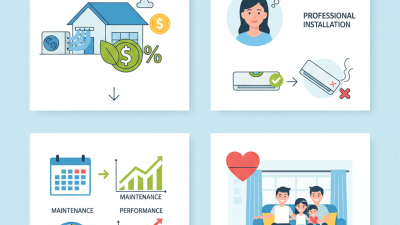
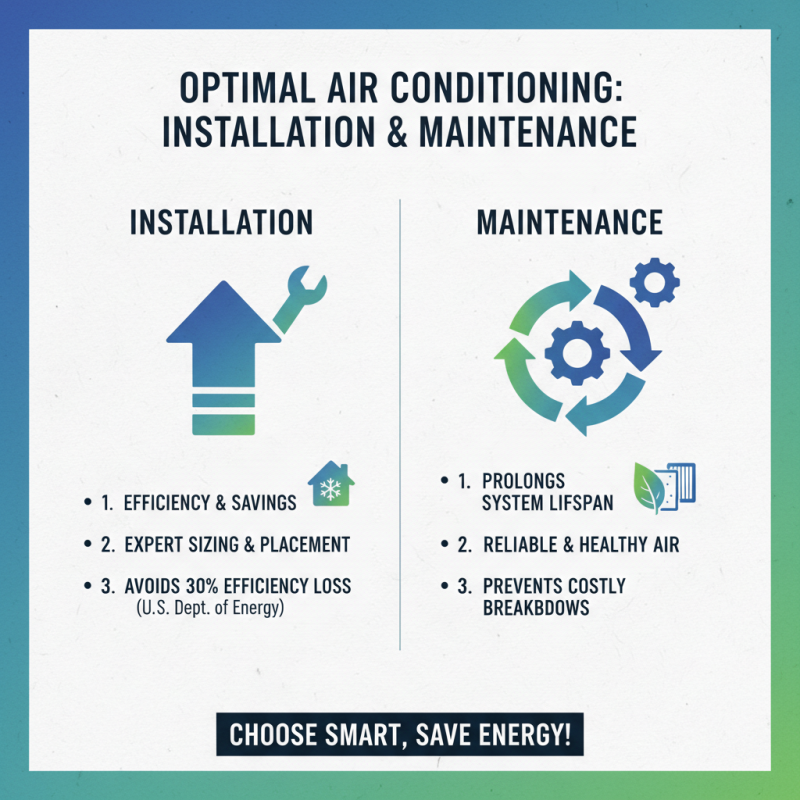
When selecting air conditioning services, installation and maintenance play crucial roles. A well-installed system operates efficiently, saving energy and costs. According to the U.S. Department of Energy, improper installation can reduce system efficiency by up to 30%. This emphasizes the need for expert installers who can ensure proper sizing and placement.
Regular maintenance is essential to extend the lifespan of your unit. The Air Conditioning Contractors of America reports that routine checks can prevent costly repairs and enhance performance. Neglecting maintenance could lead to increased energy bills. It's estimated that well-maintained systems use 10-20% less energy. This is not just about efficiency; it’s about creating a comfortable living environment.
It’s vital to ask potential service providers about their qualifications and methods. Look for certifications, such as those from the North American Technician Excellence (NATE). Yet, even certified professionals may have inconsistencies in their work. Therefore, seek reviews and testimonials. Listening to past customers can highlight both strengths and areas for improvement. Remember, the best choice may not always be the most advertised service.
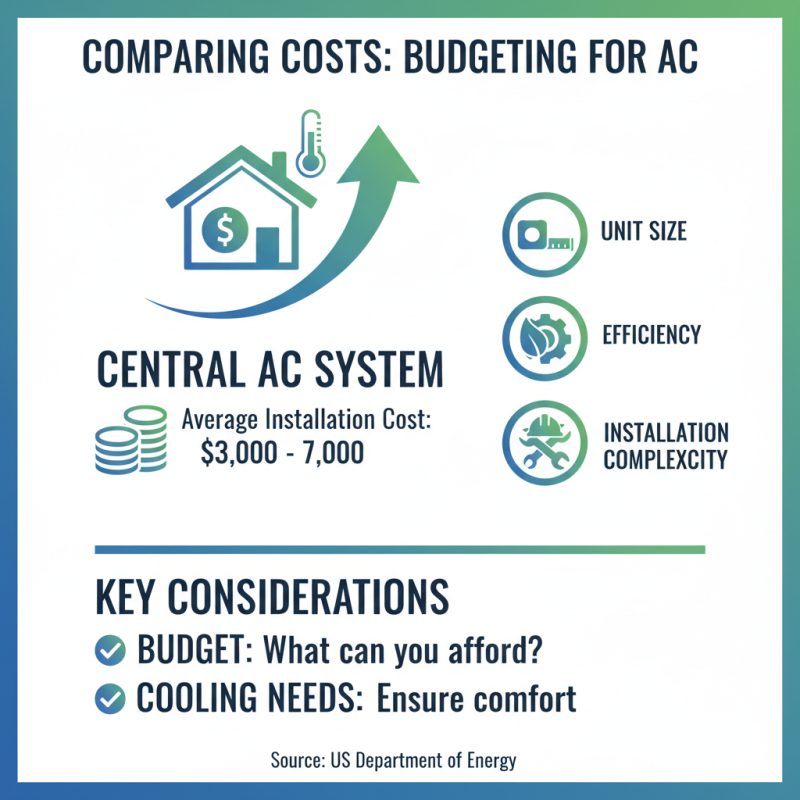
When considering air conditioning solutions, understanding costs is crucial. According to the U.S. Department of Energy, installing a new central air conditioning system can average between $3,000 and $7,000. This wide range depends on the unit's size, efficiency, and installation complexity. Homeowners should analyze what fits their budget while ensuring they meet cooling demands.
Monthly energy bills also significantly impact overall costs. A high-efficiency system can reduce energy consumption by up to 50%, offering notable savings. Yet, selecting the most efficient system may require a higher initial investment. Therefore, balancing upfront costs with long-term savings is essential for smart budgeting.
It's wise to consider maintenance costs, too. Regular maintenance helps avoid expensive repairs. A neglected unit can lead to higher electricity bills and premature replacement. Data from the HVAC industry show that regular servicing can extend an air conditioning system's lifespan by up to 20%. This highlights the importance of building a comprehensive budget that accounts for both initial purchase and ongoing maintenance.
Finding reliable contractors for air conditioning services can be challenging. Start by asking friends or family for recommendations. Personal experiences can reveal valuable insights. Online reviews are another useful resource. Look for contractors with a solid track record. Pay attention to both positive and negative feedback.
Certifications matter when selecting a contractor. Ensure they are licensed and insured. This protects you from potential liabilities. Check their experience in the HVAC field. A company with several years of experience is often more reliable. Don't hesitate to inquire about their previous projects.
Trust and communication are key. Meet the contractor before making a decision. Gauge their responsiveness and willingness to answer your questions. If they are dismissive, consider it a red flag. A good contractor will prioritize your needs and show you their commitment. Take time to reflect on your options. Making an informed decision is crucial for your peace of mind.