What is the Best Air Conditioning System for Your Home?
Choosing the right air conditioning systems for your home can be overwhelming. With so many options available, it's crucial to understand what works best for your unique needs. Each system has its own benefits and drawbacks. You may find that a central air conditioning unit offers comfort, while a ductless mini-split could save space and energy.
When considering air conditioning systems, think about your home's size and layout. Some homes may benefit from window units, while others require a more centralized approach. It's essential to evaluate efficiency, noise level, and cost when making your choice. Many homeowners overlook these factors, leading to regrets later.
Reflect on your lifestyle. Do you prioritize energy savings? Do you want a system that's easy to maintain? These questions can guide your decision. Choosing the right air conditioning system is not merely about comfort; it's also about making a lasting investment in your home. Balancing comfort, efficiency, and cost will lead you to the ideal solution.

Types of Air Conditioning Systems Available for Residential Use
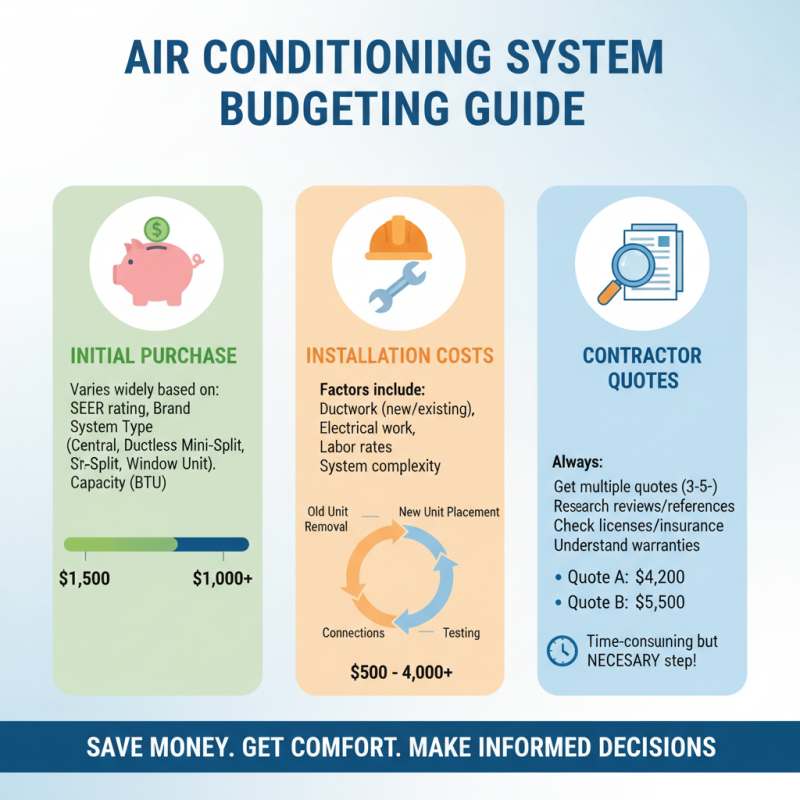
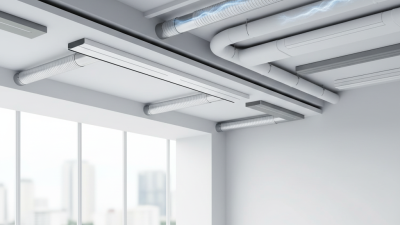
When choosing an air conditioning system for your home, it's vital to understand the various types available. Central air conditioning is common in many households. It cools the entire house through a network of ducts. According to the U.S. Department of Energy, about 87% of homes in the U.S. use some form of central air. However, ductwork can be costly, and not all homes are designed for it.
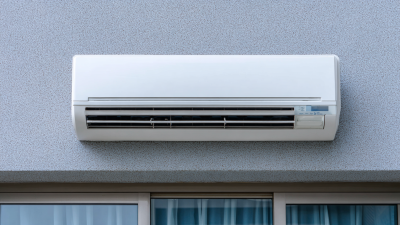
Ductless mini-split systems are popular as well. These systems are efficient and flexible. They allow for zoning, meaning you can cool specific areas of your home. Reports show that mini-splits can save homeowners up to 30% on energy bills compared to traditional systems. However, installation can be tricky, especially in older homes.
Window units are another option. They are cheaper and easier to install, specifically for single rooms. The downside is that they can be noisy and less efficient. Additionally, their cooling capacity is limited. A study by Energy Star indicates that using multiple smaller units can lead to higher energy costs if not managed properly. Homeowners should weigh the pros and cons to find the right fit.
Factors to Consider When Choosing an Air Conditioning System
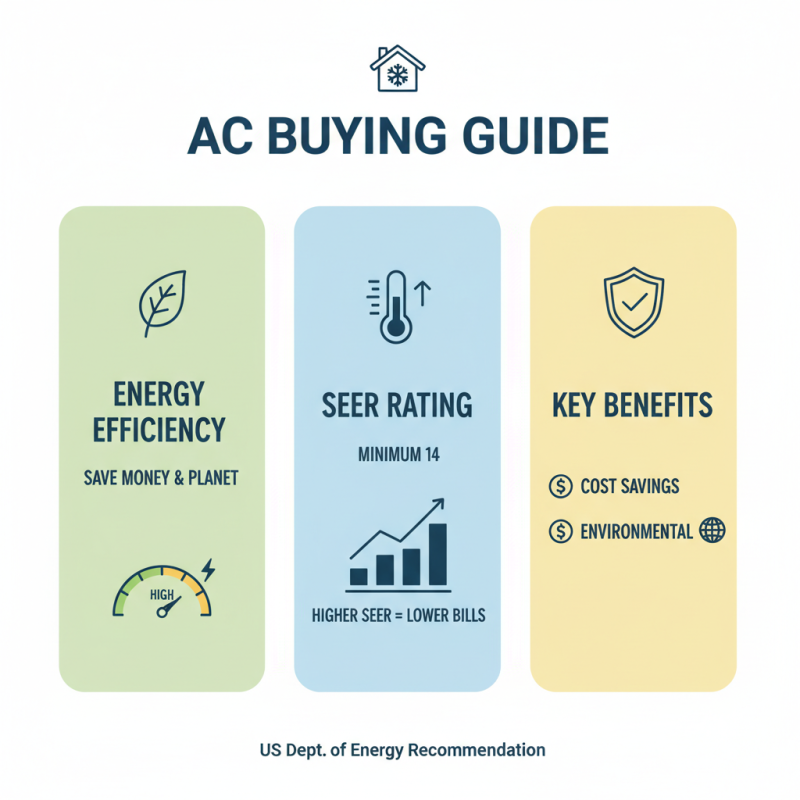
When choosing an air conditioning system for your home, consider several crucial factors. Energy efficiency is paramount. Look for systems with a high Seasonal Energy Efficiency Ratio (SEER) rating. The U.S. Department of Energy suggests a minimum SEER rating of 14 for both cost savings and environmental benefits. Higher ratings typically mean lower energy costs, which can significantly affect your monthly bills.
Another important aspect is the size of the system. An oversized unit cools too quickly, leaving humidity untreated. Conversely, a unit that is too small struggles to reach desired temperatures. According to the American Society of Heating, Refrigerating and Air-Conditioning Engineers (ASHRAE), a professional assessment can help determine the right size for your needs.
Tips: Regular maintenance extends your unit's lifespan. Clean or replace filters monthly. Also, ensure your home is well-insulated to maximize efficiency. Inefficient ductwork can waste energy. Sealing any leaks can improve your system's performance, potentially saving you up to 30% on cooling costs. Remember, the lowest price is not always the best choice. It's vital to weigh up long-term efficiency against upfront costs.
Energy Efficiency Ratings and Their Importance in Air Conditioning
When choosing an air conditioning system, energy efficiency ratings are crucial. These ratings indicate how effectively a unit uses energy. Higher ratings suggest better efficiency. This translates to lower energy bills and reduced environmental impact. However, many homeowners overlook this aspect. They often focus solely on the initial cost. This short-sightedness can lead to higher expenses in the long run.
Understanding the Seasonal Energy Efficiency Ratio (SEER) is important. A higher SEER rating means greater energy efficiency. Systems with SEER ratings above 14 are generally more efficient. Yet, a unit's efficiency can diminish over time without proper maintenance. Regular cleanings and tune-ups are essential. Homeowners should be mindful of this to ensure their system operates efficiently.
Additionally, consider your home’s layout and climate. A unit that works well in one area may not suit another. Each home is unique, requiring a tailored approach. Ignoring these factors can lead to uncomfortable living spaces. It’s wise to research and understand these elements deeply. This will help in making a more informed decision.
Installation and Maintenance Tips for Optimal Performance
When choosing an air conditioning system, installation and maintenance play critical roles. A study by the U.S. Department of Energy reveals that improper installation can reduce system efficiency by more than 30%. This inefficiency increases energy bills and leads to more frequent breakdowns. It's essential to ensure that the system is sized correctly for your space. Oversized units cycle too frequently and can lead to humidity problems, while undersized units will struggle to cool your home effectively.
Regular maintenance is vital for optimal performance. A clean air filter can improve efficiency by up to 15%. Neglecting this task may result in poor air quality and higher energy costs. Additionally, checking refrigerant levels is key. Low refrigerant can indicate leaks, causing the system to work harder. The Environmental Protection Agency emphasizes the importance of professional inspections at least once a year. Certified technicians can spot issues before they escalate, saving homeowners time and money.
However, some homeowners overlook these maintenance tasks. Many expect their systems to run flawlessly without assistance. This mindset often leads to costly repairs down the line. It's essential to develop a routine and stick to it, including both DIY checks and professional services. Investing time in maintenance today can ensure comfort tomorrow.