Top 10 Best Air Conditioning Trunking Options for Optimal Performance?

Air conditioning trunking plays a crucial role in optimizing cooling systems. Proper trunking ensures efficiency and longevity. According to a report by Global Industry Analysts, the air conditioning trunking market is expected to grow significantly in the coming years, driven by rising demand for energy-efficient systems.

Expert John Smith, a leading figure in HVAC technology, emphasizes, “The right trunking can make a significant difference in system performance.” This highlights the importance of choosing the best options for installations. Many systems suffer inefficiencies due to subpar trunking, which can lead to increased energy costs and reduced cooling effectiveness.

Choosing the right air conditioning trunking isn't just about aesthetics. It's about ensuring proper airflow and minimizing energy waste. Poorly designed trunking can hinder system performance and negatively affect comfort levels. As the industry evolves, staying informed about the best trunking options is essential for optimal performance.
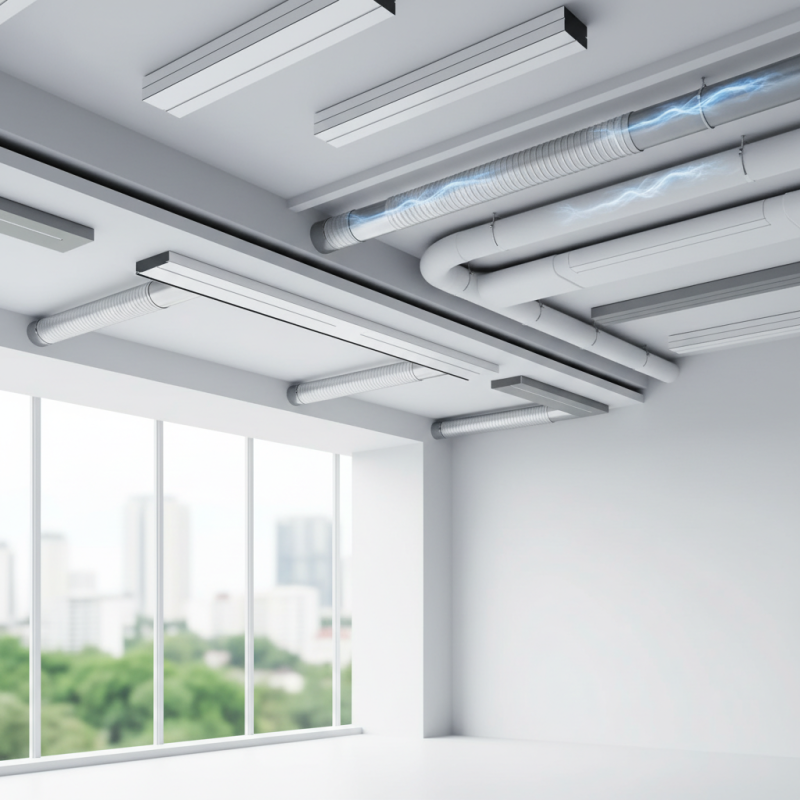
Top 10 Best Air Conditioning Trunking Options for Optimal Performance?

Understanding Air Conditioning Trunking: A Comprehensive Overview

Air conditioning trunking is essential for optimal system performance. It facilitates proper airflow while enhancing energy efficiency. Studies show that well-designed trunking can improve cooling efficiency by up to 30%. This not only reduces energy consumption but also prolongs the lifespan of the units.

When choosing trunking, consider the material and design. Insulated trunking options can significantly reduce thermal loss. Proper insulation helps maintain consistent temperatures. However, many overlook this aspect. The right size matters too. Oversized or undersized trunking can lead to airflow issues.

Tips: Regular maintenance of trunking enhances performance. Inspect for signs of wear or damage. Cleanliness is key; dust buildup can obstruct airflow. Additionally, pay attention to installation angles. Sharp bends can hinder air movement.

Ultimately, investing in the right trunking system is paramount. Analyze your specific needs. Gather input from technicians familiar with local climate conditions. Small adjustments can lead to substantial improvements in efficiency.
Factors to Consider When Choosing Air Conditioning Trunking

Top 10 Best Air Conditioning Trunking Options for Optimal Performance?

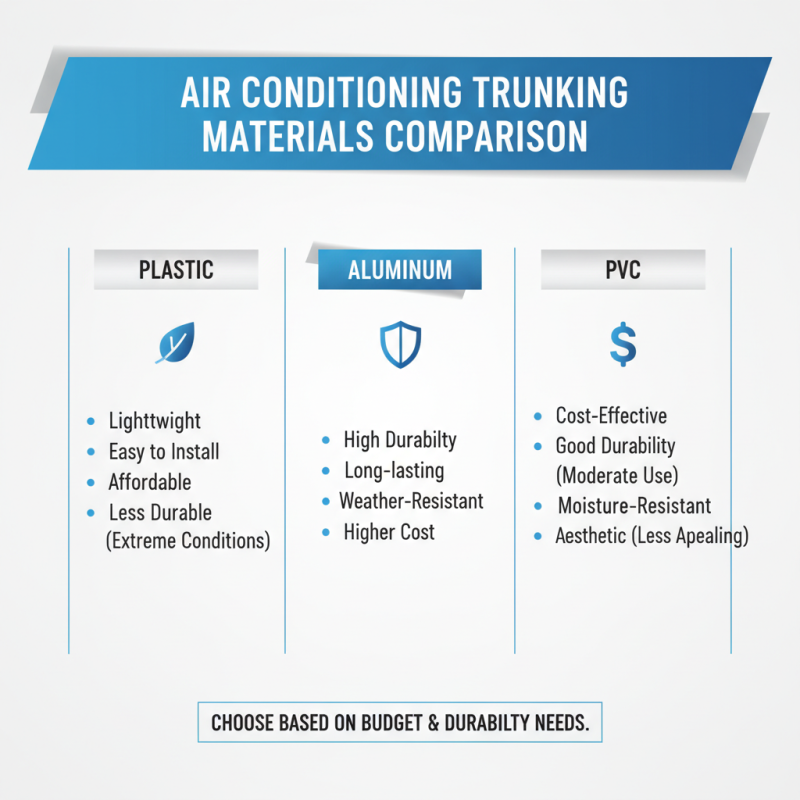
When selecting air conditioning trunking, several factors come into play. First, consider the material. Plastic, aluminum, and PVC all have different durability levels. Plastic is lightweight but may not withstand extreme conditions. Aluminum offers better longevity but can be pricier. PVC is an affordable option but can look less appealing.

Another aspect to evaluate is insulation. Proper insulation prevents energy loss, which enhances efficiency. If the trunking is not insulated well, energy costs could soar. Look for trunking that maintains a stable temperature. This helps in keeping your space comfortable.

Size also matters. Trunking should match the specific requirements of your installation area. Oversized trunking can lead to airflow issues. On the other hand, too small trunking may restrict airflow. Assess your space and plan accordingly.

Don’t forget aesthetics. While functionality is key, appearance can impact the overall look of your environment. Smooth finishes often blend better with interiors. However, they may require more maintenance. Consider what works best for your design and maintenance preferences.

Top 10 Air Conditioning Trunking Options: Features and Benefits

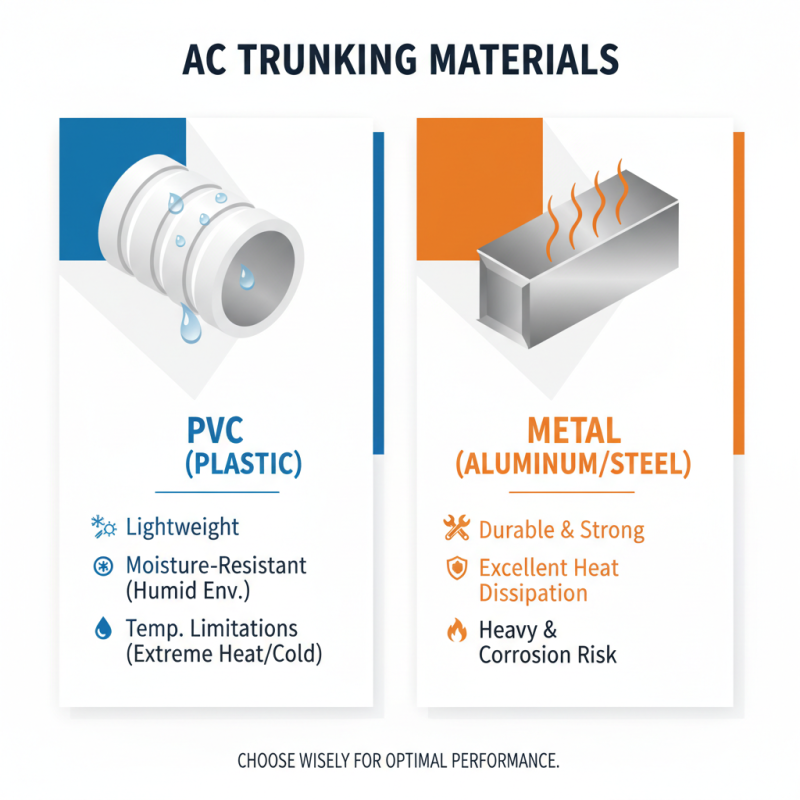
When selecting air conditioning trunking options, it's crucial to consider both features and benefits. The right trunking system enhances efficiency and aesthetics in any space. Look for materials that provide durability, flexibility, and ease of installation. Common choices include PVC and metal options, each offering unique advantages. PVC is lightweight and cost-effective, while metal provides superior strength and heat resistance.

**Tip:** Measure your space accurately. Proper measurements ensure the trunking fits seamlessly into your design. Miscalculations can lead to unsightly gaps or difficult installations.

Ventilation is another vital factor. Trunking should allow for smooth airflow without restriction. Some models feature insulation that minimizes noise. This can significantly improve comfort levels in any room. Don't overlook energy efficiency ratings as well.

**Tip:** Consider maintenance needs. Some trunking types can gather dust easily. Regular cleaning helps retain optimal performance and prevents any airflow obstruction.

Choosing the right air conditioning trunking involves thoughtful consideration. Take your time to evaluate what features matter most for your requirements. Always weigh the benefits against potential downsides. Making an informed choice leads to better results.

Top 10 Air Conditioning Trunking Options: Features and Benefits

Option Material Length Insulation Weather Resistance
Option 1 PVC 3m Yes Yes
Option 2 Aluminum 5m Yes Yes
Option 3 Steel 2m No Yes
Option 4 Fiberglass 4m Yes No
Option 5 Plastic 3.5m Yes Yes
Option 6 Foam 2.5m Yes No
Option 7 Composites 3m Yes Yes
Option 8 Copper 6m No Yes
Option 9 Zinc 2m Yes Yes
Option 10 Wood 1.5m No No

Comparative Analysis of Material Types for Air Conditioning Trunking

Top 10 Best Air Conditioning Trunking Options for Optimal Performance?

When selecting materials for air conditioning trunking, several options stand out for their performance. PVC is lightweight and resistant to moisture, making it ideal for humid environments. However, it may not withstand extreme temperatures well. Metal trunking, often made of aluminum or steel, offers durability and excellent heat dissipation. Yet, these materials can be heavy and prone to corrosion in certain conditions.

Another consideration is insulation. Certain trunking materials come with built-in insulation, enhancing energy efficiency. Foam and fiberglass are common choices. They help maintain temperature and minimize noise. Yet, these materials can be more expensive and may require careful installation. Homeowners often struggle to choose based on their specific needs.

A reflective surface can also play a significant role. It aids in reducing heat absorption, particularly in sunny climates. However, not every trunking material is available in reflective options. This limits choices for those aiming for optimal energy savings. As you evaluate your options, weigh the pros and cons. Each material has its strengths and weaknesses. Making an informed choice can lead to better performance and comfort in your space.

Maintenance Tips for Ensuring Optimal Performance of Trunking Systems

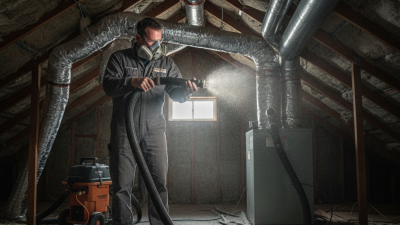
Proper maintenance of air conditioning trunking systems is essential for optimal performance. Neglected systems can lead to efficiency losses of up to 30%. Regular inspections are vital. Check for accumulated dust and debris. Blockages can hinder airflow and strain the unit. According to the Indoor Air Quality Association, poorly maintained systems can impact indoor air quality significantly.

Cleaning trunking systems should be part of your routine. It's recommended to clean surfaces every three months. Using a mild detergent can effectively remove grime without causing damage. Don't forget about seals and insulation. Damaged seals can lead to refrigerant leaks, drastically reducing efficiency. A recent report from the ASHRAE indicated that sealing leaks can improve system performance by 15% or more.

Pay attention to temperature output. If cool air isn't flowing as it should, this could indicate a problem within the trunking. Listen for strange noises as well. They often signal issues that require immediate attention. Trunking systems are complex; sometimes, they require a professional touch. Reflecting on performance data can highlight where efficiencies might be gained. Over time, even small changes can lead to significant savings.

Top 10 Best Air Conditioning Trunking Options for Optimal Performance