As the industry for Carbon Kneading Machines evolves, buyers face critical decisions. In the global market, the demand for these machines is projected to increase by 15% annually through 2026, according to a recent report by the Global Machinery Institute. Experts suggest that choosing the right machine is vital for staying competitive. Dr. Emily Chen, a leading engineer in the field, states, "Investing in advanced kneading technology can significantly enhance production efficiency."
The Carbon Kneading Machine sector is influenced by trends in manufacturing and sustainability practices. Buyers must consider energy efficiency and maintenance costs. Key features, such as automation and precision control, are essential for optimizing performance. However, selecting a machine that fits specific operational needs can be challenging, especially with numerous models available.
Quality and reliability are crucial when investing in a Carbon Kneading Machine. Some products may promise results but fail to deliver in real-world conditions. Making informed choices requires careful evaluation of options. Industry leaders emphasize that the right investment can yield significant returns, but caution is necessary to avoid common pitfalls.
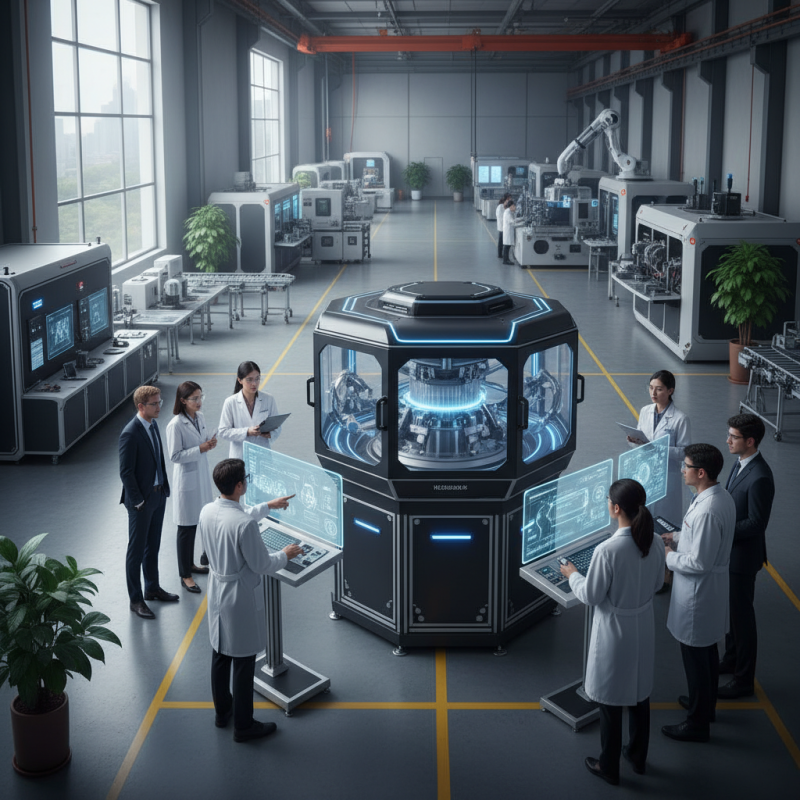
The landscape of carbon kneading machines has evolved significantly in 2026. These machines are designed to optimize the mixing and processing of carbon-based materials. Manufacturers focus on improving efficiency and performance. The latest models can handle larger volumes while ensuring consistent quality. This enables users to achieve better results in shorter time frames.
Key features include enhanced durability and user-friendly interfaces. The rise of automation has made these machines smarter. They can now adapt to varying material textures and quantities. This adaptability can reduce waste and improve production outcomes. However, buyers must consider the technical support available and the machine's maintenance requirements.
While advancements abound, some challenges persist. For instance, not all machines can seamlessly integrate into existing production lines. Understanding these compatibility issues is crucial. Buyers may also need to reevaluate their operational workflows. Embracing new technology will require some adjustments. Adopting these machines is a step forward, yet it demands careful consideration and planning.
When selecting a carbon kneading machine, several key features stand out. The machine's capacity plays a significant role. According to a recent industry report, machines with a capacity of over 200 liters are increasingly preferred by manufacturers. This size accommodates higher production demands. Efficiency is another crucial factor. Machines that can lower energy consumption by 20% or more can significantly reduce operational costs.
Additionally, the mixing technology employed is vital. Advanced kneading machines often use twin-screw technology, which ensures uniform mixing. This results in superior product consistency. Industry experts suggest that machines equipped with real-time monitoring systems are more reliable. These systems can detect inconsistencies and adjust parameters automatically, leading to fewer manual interventions.
Durability also matters. Investing in a machine made from high-quality alloy can reduce maintenance costs. Maintenance records show that machines with standardized parts require less frequent repairs. Lastly, while cost is an important consideration, buyers should not overlook the long-term benefits of investing in advanced technology. There is a growing recognition that initial investment often pays off through increased output and reduced downtime. It’s crucial to weigh these aspects carefully.
As the demand for high-quality carbon kneading machines continues to rise, global buyers need to stay informed. The market is evolving, and several top brands are emerging, each offering unique advantages. These machines are essential in various industries, enhancing product consistency and efficiency.
When considering a carbon kneading machine, quality and reliability are crucial. Look for models that offer robust construction and advanced technology. Features like temperature control and energy efficiency can significantly impact performance. However, not every model will meet all expectations. Some may struggle with specific materials, leading to inconsistent results.
Buyers should consider their unique production needs. Different machines cater to specific requirements. Researching multiple models and user reviews provides insight into real-world performance. Remember, the best choice often depends on your operational constraints and target outputs. Exploring these options carefully could lead to better decisions.
As the demand for carbon kneading machines grows, innovative technologies are shaping the industry. In 2026, global buyers can expect enhanced performance and efficiency. New materials improve durability, while smart technology streamlines processes. Manufacturers are focusing on sustainability, integrating eco-friendly components.
Increase productivity by selecting machines with adaptive controls. They adjust to different kneading requirements, saving time and energy. Pay attention to energy consumption metrics. Machines that operate efficiently reduce operational costs significantly.
Emerging trends highlight user-friendly interfaces and automation features. This makes training easier for operators. However, it is essential to assess how automation affects the skill sets of your workforce. Constant evolution poses challenges for companies needing to adapt swiftly. Investing in quality training can address this gap. These shifts in carbon kneading technology warrant careful consideration by all stakeholders.
Maintaining a carbon kneading machine is crucial for ensuring its longevity and optimal performance. Regular cleaning is essential. Dust and residue build-up can lead to inefficiency. Use a soft cloth to wipe down surfaces after each use. It’s a simple but effective task. Make it a habit.
Checking the machine’s parts regularly is also vital. Inspect the kneading blades and seals for signs of wear. Replace any worn-out components promptly. This proactive approach can save you from costly repairs later. Don't overlook small issues. They can escalate quickly if ignored.
Lubrication is key for moving parts. Apply appropriate lubricant to the joints as recommended in the manual. Regular lubrication ensures smooth movement and prevents rust. Be mindful of over-lubrication, as it can attract dirt. Balance is essential in maintenance to avoid future failures. Proper attention today can lead to a machine that performs efficiently for years.