10 Best Cemented Carbide Inserts for CNC Machining?
Choosing the right Cemented Carbide Inserts can change surface finish, tool life, and cycle time. Yet no insert wins every cut. A grade that handles heat in stainless steel may chip under interrupted cuts. Geometry, coating, workpiece material, machine rigidity, and coolant all matter. A fair paraphrase of machining researcher Dr. Tony Schmitz’s work is that cutting results depend on interacting process variables, not one tool feature alone. That is a useful starting point, not a universal formula.
This guide compares ten insert options for common CNC machining needs, including turning, milling, and drilling. It considers practical details: edge strength, chip control, wear resistance, and suitable workpiece materials. A sharp, polished edge may help with gummy alloys; a tougher grade may better tolerate impact. Small details count. A loose setup or incorrect feed can shorten tool life, even with a respected insert.
The list is a guide, not a laboratory ranking. Results vary with the machine, holder, material batch, and cutting parameters. Check manufacturer recommendations, then test cautiously on your own setup. Record tool life and surface finish. One honest limitation: product names and coatings change, and published ratings do not always predict shop-floor results. The best choice is the one that performs reliably in your actual operation.
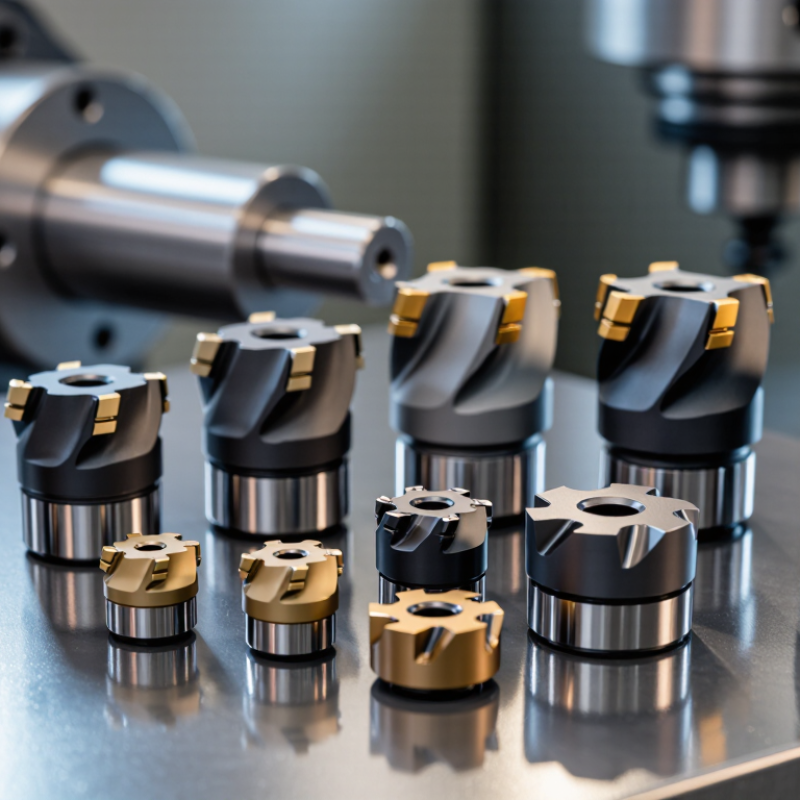
Understanding Cemented Carbide Inserts and Their Role in CNC Machining
Cemented carbide inserts are replaceable cutting tips used in CNC turning, milling, and drilling. Their hard tungsten-carbide grains are held together by a metallic binder, commonly cobalt. This structure helps an insert resist wear while handling substantial cutting heat. The tool still needs the right support. A rigid holder, secure clamping, and suitable cutting data all affect performance.
Geometry matters as much as material. A sharp edge can reduce cutting forces on softer alloys, while a stronger edge may better tolerate interrupted cuts. Coatings can improve heat and wear resistance, but they are not a cure-all. For example, a coated insert may last longer in a steady steel-cutting operation yet perform poorly if the workpiece material or speed is unsuitable. Watch the chip. Its shape, color, and flow offer clues about heat and cutting conditions, though they should not be treated as a diagnosis by themselves.
Selection involves trade-offs. A grade chosen for toughness may wear faster in a long, stable cut; a highly wear-resistant grade may chip under vibration. Start with the workpiece, operation, and machine rigidity, then test one variable at a time. Small changes matter. Even a modest adjustment to feed or depth of cut can alter edge life. And the first choice may be wrong. Record the result, inspect the worn edge, and reconsider the setup before blaming the insert.
Key Factors for Choosing an Insert Grade, Geometry, and Coating
A cemented carbide insert should match the workpiece, cutting action, and machine setup—not just the material name. Tougher grades can better tolerate interrupted cuts, while harder grades may suit steady finishing. Steel, stainless steel, and cast iron each cover a wide range of conditions, so check the insert maker’s application data for the specific alloy. A rigid spindle and secure toolholder also affect how much toughness you need. Small details matter.
Geometry controls how the insert enters the cut and moves chips away. A sharp edge can reduce cutting forces on thin-walled parts, but may be less forgiving if the setup vibrates. A stronger edge often handles roughing better. Match the chipbreaker to the feed and depth of cut; chips should curl and clear, not pile up against the workpiece. Nose radius affects finish and cutting pressure. Bigger is not always better.
Coatings help manage heat, friction, and wear, but no coating solves every problem. PVD coatings are commonly used where a sharp edge is important; CVD coatings often suit applications needing wear resistance. Confirm suitability with current technical data. Then run a controlled trial: change one variable, inspect the edge, and note chip shape and surface finish. The first choice may be wrong. That is useful information, though it can be frustrating. A slight feed adjustment may matter more than replacing the insert grade.
10 Best Cemented Carbide Inserts for CNC Machining Applications
The 10 best cemented carbide inserts for CNC machining applications are not one universal ranking. Each shape and edge preparation suits a different cut. Consider general-purpose turning inserts for mixed jobs, finishing inserts for clean surfaces, and roughing inserts for heavier stock removal. Threading and grooving inserts handle narrow profiles. Parting inserts need stable support. Drilling inserts suit holemaking, while standard milling and high-feed milling inserts address different cutter loads. A polished, sharp insert can help machine aluminum without built-up edge.
Workpiece material matters as much as operation. A tough carbide grade can tolerate interrupted cuts in cast iron or steel, while a wear-resistant grade may last longer in steady production. Match chipbreaker geometry to feed and depth of cut; the wrong groove can produce tangled chips or excess heat. Check toolholder compatibility, spindle rigidity, and coolant delivery before judging insert life. Small setup errors matter. I’ve seen a sound insert perform poorly when the overhang was simply too long.
Tips: Start with the material supplier’s cutting data, then adjust one variable at a time. Inspect the edge after a short trial. A shiny flank or chipped corner tells a different story, but neither diagnosis is perfect on its own.
Matching Insert Types to Turning, Milling, and Workpiece Materials
Matching an insert to the cut matters more than choosing a “best” grade. For steady turning of carbon steel, a coated carbide insert with a chipbreaker can manage heat and produce predictable chips. Interrupted cuts need a tougher edge; too much hardness can invite chipping. Stainless steel often benefits from a sharper, wear-resistant edge, while cast iron commonly suits a harder grade. The ISO 513 material groups offer a useful starting point, not a substitute for a test cut. Small details matter. The USGS Mineral Commodity Summaries 2024 estimates world tungsten mine production at about 78,000 metric tons in 2023. Tungsten carbide is widely used in cutting inserts, but that supply figure does not predict tool life.
Milling brings repeated entry and exit impacts, so toughness and secure clamping matter. Choose a grade designed for milling, then match its edge preparation to the workpiece and cut stability. Aluminum usually calls for a sharp, polished cutting edge to reduce built-up material. Hardened steels may need a grade made for heat and abrasion; confirm hardness before selecting. In practice, a rigid setup can outperform a more expensive insert. I have seen recommendations fail when the workholding flexed.
Tips: Start near the insert maker’s conservative speed range, inspect the edge after a short pass, and adjust one variable at a time. A small chip is still evidence.
10 Common Cemented Carbide Insert Styles for CNC Machining
A quick guide to typical turning and milling roles, with workpiece examples. The 1–5 rating is a qualitative guide to application breadth, not a measured performance result.
Insert geometry is only part of the choice: select the carbide grade, coating, chipbreaker, and cutting conditions for the specific material and operation. Workpiece examples are typical, not exclusive.
Comparing Cutting Performance, Tool Life, and Overall Value
The best cemented carbide insert is not always the one that cuts fastest. Compare cutting speed, feed rate, surface finish, and wear under the same material and machine conditions. A sharp edge may reduce cutting forces, while a tougher grade may better tolerate interrupted cuts. The difference shows up on the part: a clean shoulder, a stable chip, or a rough finish that needs another pass.
Tool life needs a consistent endpoint. ISO 3685:1993 identifies 0.3 mm average flank wear as a commonly used criterion for turning-tool tests; ISO 8688-2:1989 provides a method for milling-tool life testing. These standards help make comparisons repeatable, but they do not predict every shop’s results. One caveat: coolant, setup rigidity, and operator choices can muddy the comparison. For value, track usable parts per edge and changeover time, not insert price alone. A cheaper edge may cost more if it fails mid-batch.
Tips: Run each candidate on the same alloy, cut, and wear limit. Record cycle time, edge changes, and scrap. Keep the first trial modest. A single test can mislead. Recheck the winner across several shifts before standardizing it.