In the world of home air conditioning, achieving optimal comfort is crucial. Renowned HVAC expert Dr. Emily Carter states, "The right air conditioning system can transform your living space into a sanctuary." As temperatures rise, many homeowners seek effective air conditioning solutions. Knowing how to choose the right system can be daunting.
Home air conditioning options vary significantly. From central air systems to ductless mini-splits, each solution offers unique benefits. However, not all are best suited for every home. Some systems may not perform optimally in certain layouts. This leads to uncomfortable spots and increased energy costs.
Selecting the ideal home air conditioning solution requires understanding both your needs and the technology. Energy efficiency, size, and installation type all play vital roles in decision-making. A poorly chosen system can lead to frustration. Reflecting on these aspects is essential for a comfortable living environment.
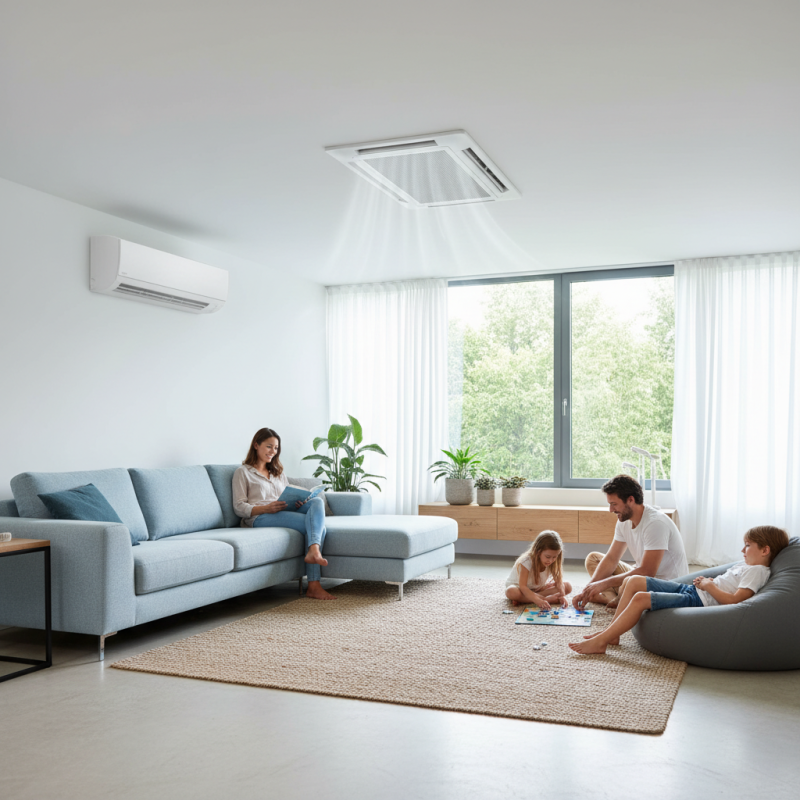
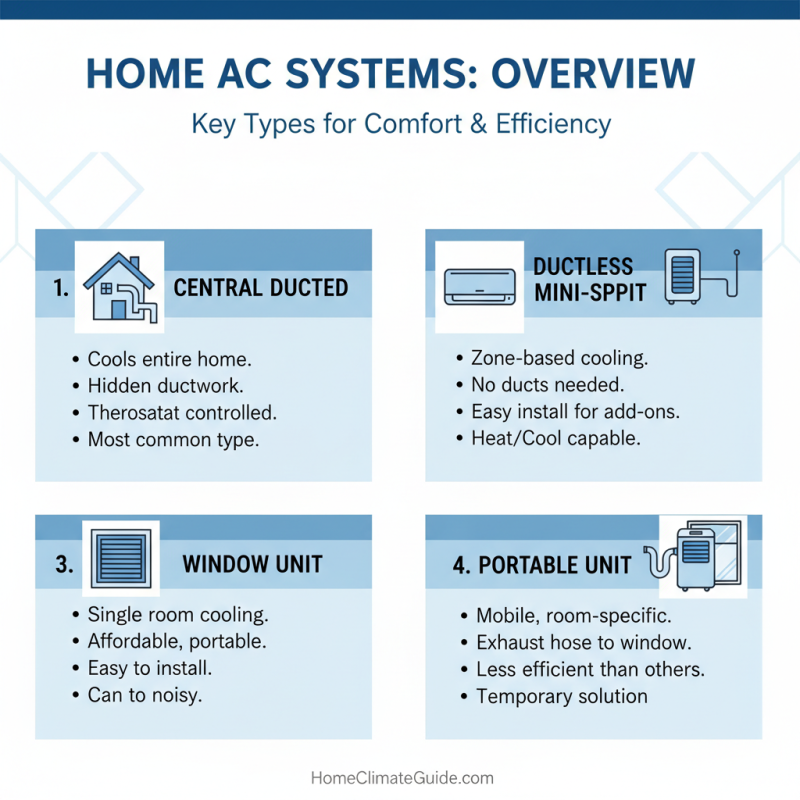
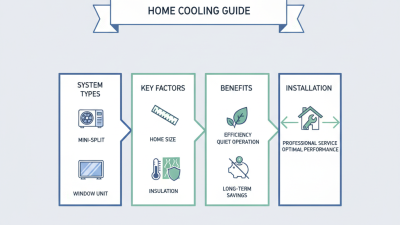
When it comes to home air conditioning systems, understanding the various types can significantly enhance comfort. Central air conditioning systems are common. They can cool larger areas and maintain consistent temperatures. According to the U.S. Department of Energy, they can reduce energy costs by up to 50% when properly maintained. Split systems, on the other hand, offer flexibility for different rooms. These systems contain both indoor and outdoor units, allowing for customized cooling effectively.
Ductless mini-split systems are gaining popularity. They are ideal for homes without ductwork. The investment often pays off with energy savings, which can reach 30% annually, according to the American Council for an Energy-Efficient Economy (ACEEE). Window units are a budget-friendly option, but their efficiency can be limited. They may not equally distribute cool air, leading to hot spots.
Tips: Regular maintenance is crucial. Change filters monthly to improve air quality and system efficiency. Seal ducts to prevent air leaks, which can waste energy. A programmable thermostat can help regulate temperatures based on your schedule, optimizing comfort and cost.
When selecting an air conditioner for your home, it's crucial to consider several factors. Start with the size of your space. A unit that is too small will struggle to cool effectively. Conversely, an oversized unit may cool too quickly, leading to humidity issues. Understanding BTU ratings is essential here. Measure your rooms accurately to find the right match.
Energy efficiency is another key element. Look for models with high SEER ratings. These units use less energy, leading to lower bills. However, some advanced features may come at a higher upfront cost. It's important to weigh the long-term savings against initial expenses. Think about your local climate as well—hotter regions may need more robust systems.
Don’t overlook noise levels. Some models are quieter than others, which can significantly affect your comfort. Read reviews and seek advice from HVAC professionals. Maintenance requirements can vary too. Basic air filters must be changed regularly. Some systems may need more frequent servicing. Reflecting on these factors ensures that your investment in air conditioning delivers the comfort you desire.
Understanding energy efficiency ratings is crucial when selecting an air conditioning unit. SEER (Seasonal Energy Efficiency Ratio) measures cooling efficiency over an entire season. A higher SEER often indicates better energy performance. However, real-world use can differ from these ratings. It’s essential to consider the size of your space and your usage patterns.
EER (Energy Efficiency Ratio) measures efficiency at a specific operating condition. It’s vital for understanding performance during peak temperatures. While SEER offers seasonal insights, EER provides data for specific situations. Many overlook EER, thinking it's less important. Yet, it can significantly impact your electricity bill, especially in hot climates.
Energy efficiency also depends on proper installation and maintenance. A well-optimized unit can outperform a higher-rated, poorly installed system. Regular checks can help maintain efficiency. Poor maintenance can lead to increased energy consumption. Understanding these ratings isn't just about numbers; it’s about making informed choices for long-term comfort and sustainability.
Modern air conditioning solutions are evolving with innovative technologies that enhance comfort and efficiency. Smart thermostats are at the forefront of this change. These devices learn your habits and adjust the temperature accordingly. They can be controlled via smartphone apps. This allows for better energy management and lower utility bills.
Another exciting tech advancement is variable-speed compressors. Unlike traditional systems that operate at a fixed speed, variable-speed units can adjust their cooling output. This results in more consistent temperatures. It also reduces wear and tear, potentially extending the lifespan of your unit.
**Tip:** Regular maintenance can improve efficiency. Check filters monthly and schedule professional inspections.
Air purifiers integrated into air conditioning systems are gaining popularity. They filter pollutants and allergens, improving indoor air quality. This is vital for those with allergies or respiratory issues.
**Tip:** Consider adding UV lights to your system. They help eliminate bacteria and viruses.
It's essential to stay updated on these advancements. Technology in HVAC systems continues to evolve. Embrace the changes and invest wisely for your comfort.
| Solution Type | Energy Efficiency Rating (SEER) | Cooling Capacity (BTU/h) | Smart Features | Approx. Price ($) |
|---|---|---|---|---|
| Ductless Mini-Split | 22 | 12,000 | Wi-Fi Connectivity, App Control | 1,500 |
| Central Air Conditioning | 16 | 24,000 | Zoning Systems, Smart Thermostat | 3,000 |
| Portable Air Conditioner | 14 | 8,000 | Remote Control, Self-Evaporating | 400 |
| Window Air Conditioner | 12 | 6,000 | Programmable Timer, Remote Control | 250 |
| Hybrid Cooling Systems | 20 | 18,000 | Solar Integration, Smart Control | 4,500 |
Maintaining your air conditioning unit is crucial for performance. Regular checks can prevent unexpected breakdowns. Change filters every one to three months. Dirty filters restrict airflow and make the system work harder. This can lead to increased energy bills and discomfort.
Cleaning the outdoor unit is equally important. Remove debris and ensure it has proper airflow. This simple task can enhance efficiency. Some homeowners overlook this, leading to poor performance. Also, consider scheduling professional maintenance at least once a year. Technicians can identify issues you might miss, like refrigerant leaks or electrical problems.
Listen to your system. Unusual noises may indicate a problem. A hissing sound could mean a refrigerant leak. Ignoring issues may result in costly repairs down the line. Training yourself to observe these signs ensures a healthier and more reliable air conditioning system.