2026 Best Residential Air Conditioning Systems for Homeowners?

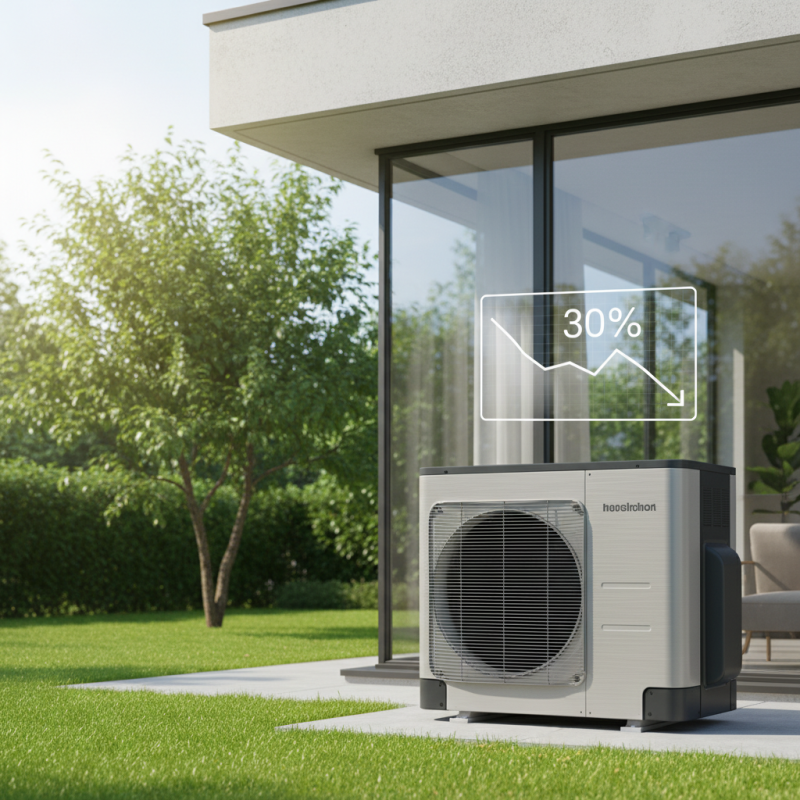
In the rapidly evolving market of residential air conditioning, homeowners face numerous choices. The year 2026 promises to bring innovative systems that enhance efficiency and comfort. According to a report by the Air Conditioning Contractors of America, energy-efficient systems can save homeowners up to 30% on cooling costs. Expert John Smith emphasizes, "Investing in the right residential air conditioning system can lead to significant long-term savings."

As climate change accelerates, the demand for effective cooling solutions grows. Traditional systems often fail to meet modern needs. Many households still rely on older models that are less efficient. Transitioning to advanced systems can be daunting. However, making informed decisions is crucial for comfort and sustainability.

The residential air conditioning landscape is set for transformative changes. While options abound, finding the best fit for individual homes remains a challenge. Homeowners must balance initial costs with potential savings. Recognizing that not all systems are created equal would guide them better.
2026 Best Residential Air Conditioning Systems for Homeowners?

Overview of Residential Air Conditioning Systems
2026 Best Residential Air Conditioning Systems for Homeowners?

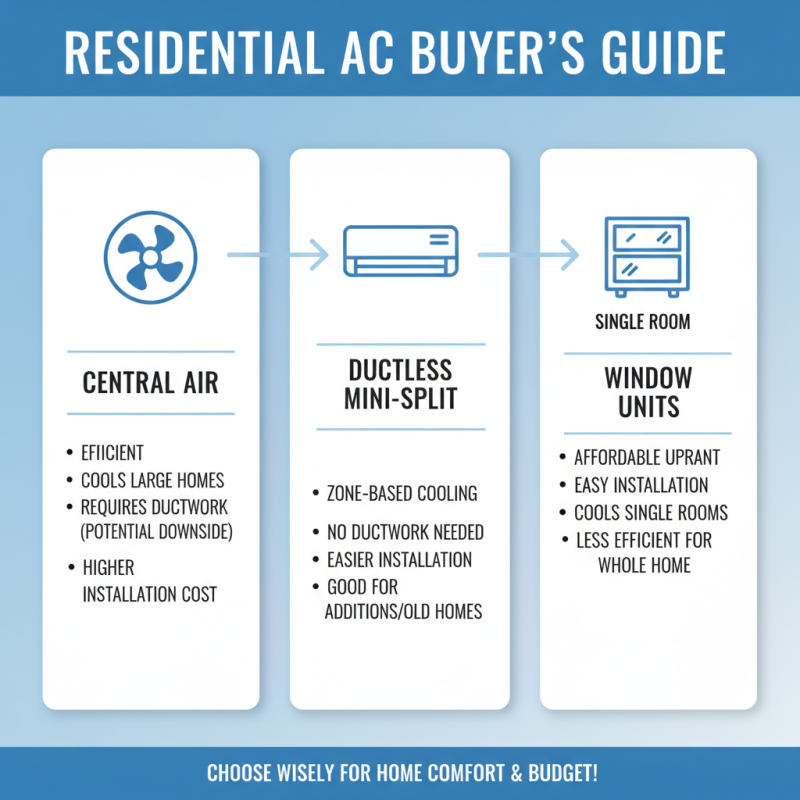
When choosing a residential air conditioning system, it's crucial to understand the various options available. Central air systems are popular for their efficiency and ability to cool large areas. They often require ductwork, which can be a downside for older homes. Many homeowners also find installation costs to be a significant factor.

Ductless mini-split systems provide flexibility. They allow for cooling specific areas without extensive renovations. However, these units can sometimes struggle with larger spaces. Window units are another option. They are cost-effective and easy to install, yet they may not be the most aesthetically pleasing choice.

It's important to consider energy efficiency ratings. Higher ratings often mean lower electricity bills. However, these systems may come with a higher upfront price tag. Each option has pros and cons that deserve careful thought. Evaluating your home’s layout and personal preferences will lead to a more informed decision.

Types of Air Conditioning Systems for Homes

When choosing an air conditioning system for your home, various types are available. Split systems are common. They consist of an indoor unit and an outdoor compressor. This design makes them quieter than others. Ductless mini-split systems offer flexibility. They can cool specific rooms without the need for ductwork. These are perfect for older homes.

Central air conditioning is another popular option. It cools the entire house through ductwork. This system provides consistent temperatures in every room. However, installing new ducts can be expensive. Window units are a more affordable choice. They are installed in individual windows. This option allows homeowners to cool specific areas. However, they can be noisy and less efficient.

Each type has its pros and cons. Homeowners must consider their needs. Budget constraints often complicate choices. Efficiency ratings are crucial, yet they are not always straightforward. Misunderstanding these ratings can lead to poor decisions. Consider how each system impacts your monthly bills. Air conditioning is an investment, not just a purchase.

Factors to Consider When Choosing an Air Conditioning System

When choosing an air conditioning system, several factors must be considered. The size of your home plays a crucial role. A system that is too small will struggle to cool effectively. Conversely, an oversized system will waste energy and cost you more. Measuring your space accurately is essential.

Energy efficiency is another key factor. Look for systems with high SEER ratings. Higher ratings mean better energy consumption, leading to lower utility bills. Consider the long-term savings rather than just the initial price. This decision impacts both your budget and environmental footprint.

Installation and maintenance are often overlooked. Proper installation ensures optimal performance. Regular maintenance keeps the unit running smoothly. Neglecting this can lead to higher repair costs later. Think about these aspects before making a choice. Sometimes, taking time to reflect on these factors can lead to better, more informed decisions.

Top Brands and Models of Air Conditioning Systems for 2026

As homeowners seek comfort, selecting the best air conditioning system becomes essential. In 2026, energy efficiency is a top priority. According to industry reports, systems with a Seasonal Energy Efficiency Ratio (SEER) rating of 16 or higher can save homeowners up to 30% on energy bills. This is significant, especially as energy costs rise.

Popular choices this year include various central and ductless mini-split systems. These models often offer customizable zones. This allows homeowners to cool specific areas, enhancing efficiency. Studies show that homes using zoned cooling can reduce energy consumption by approximately 20%.

However, not all models perform equally. Poor installation can lead to reduced efficiency. Homeowners should consider professional installation services. Regular maintenance also matters. Systems that receive maintenance have a lifespan up to 15 years longer. Therefore, cautious planning and research are key when choosing the right air conditioning system for comfort and savings.

Energy Efficiency and Cost-Effectiveness in Air Conditioning Systems

When selecting an air conditioning system for your home, energy efficiency is key. An efficient system reduces electricity usage, which can lead to lower bills. Look for models that are rated highly for their efficiency. A great starting point is the Seasonal Energy Efficiency Ratio (SEER). The higher the SEER rating, the better the efficiency.

Cost-effectiveness goes beyond the initial purchase price. Installation costs can vary. Some systems require more extensive ductwork or modifications, which increases initial expenses. Regular maintenance also matters. A poorly maintained system will lose efficiency over time, leading to higher energy costs. Homeowners often overlook these factors when budgeting for a new system.

Considering long-term costs is essential. Evaluate the potential savings from energy-efficient models versus traditional options. Sometimes, the cheaper upfront choice can cost significantly in the long run. Investing in quality often pays off, but only if you weigh all aspects carefully. Remember, a well-chosen air conditioning system can enhance comfort while also being kind to your wallet and the environment.

2026 Best Residential Air Conditioning Systems for Homeowners

System Type Energy Efficiency Ratio (EER) Seasonal Energy Efficiency Ratio (SEER) Average Cost (USD) Warranty Duration (Years)
Central Air Conditioning 12 - 14 14 - 20 $3,000 - $7,000 5 - 10
Ductless Mini-Split 15 - 20 18 - 30 $2,000 - $5,000 5 - 12
Window Air Conditioner 10 - 12 10 - 12 $150 - $600 1 - 3
Portable Air Conditioner 8 - 10 8 - 10 $200 - $700 1 - 2
Geothermal Heat Pump 15 - 25 20 - 30 $15,000 - $30,000 25 - 50