Top 10 Best Residential Air Conditioning Systems for Ultimate Comfort?

Choosing the right residential air conditioning system can feel overwhelming. Many options exist, each offering unique features. In a world where comfort is essential, homeowners need reliable solutions.

The best residential air conditioning systems provide cool air and energy efficiency. They create perfect indoor climates, especially during hot summer days. You might find yourself uncertain about which system meets your needs. Factors like size, energy efficiency, and maintenance are crucial when deciding.

This guide presents ten excellent options for residential air conditioning. Each choice highlights essential features that enhance comfort. While some systems receive rave reviews, others leave room for improvement. Understanding these aspects can lead to a better decision. Dive into our list and find the best fit for your home.
Top 10 Best Residential Air Conditioning Systems for Ultimate Comfort?

Understanding Air Conditioning System Types: Central vs. Ductless

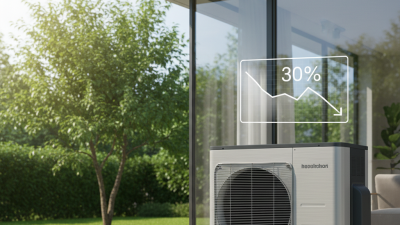
When choosing an air conditioning system for your home, understanding the two main types—central and ductless—can significantly impact comfort levels. Central systems use ducts to circulate cool air throughout your living space. According to the U.S. Department of Energy, these systems are suitable for larger homes, providing uniform cooling. However, they have limitations. Leaky ducts can waste up to 30% of energy. This inefficiency can lead to higher energy bills and inconsistent temperatures between rooms.

On the other hand, ductless systems, also known as mini-splits, offer flexibility. They allow for targeted cooling in specific areas. A study by the American Society of Heating, Refrigerating and Air-Conditioning Engineers (ASHRAE) found that ductless systems can improve energy efficiency by 20-30% compared to traditional systems. Despite the benefits, they require careful placement and installation. If not installed properly, they may not reach optimal performance. This can leave some areas of your home uncomfortable.

In summary, choosing between central and ductless systems requires careful consideration. Each has its strengths and weaknesses. Homeowners should assess their specific needs. Efficient cooling is vital, but it shouldn’t come at the cost of high energy consumption. A thoughtful approach will lead to a more comfortable living environment.
Key Features to Consider in Residential AC Systems: SEER Ratings

When selecting a residential air conditioning system, understanding SEER ratings is crucial. The Seasonal Energy Efficiency Ratio (SEER) measures cooling output divided by energy consumed. Higher SEER ratings indicate more efficient units. A model with a SEER rating of 16 is about 30% more efficient than one rated at 13. This difference can lead to significant savings on energy bills.

Consider a standard home requiring 3 tons of cooling. If you use a unit with a SEER of 14 instead of 16, annual costs could rise by approximately $300. This figure can escalate based on regional climate and electricity rates. According to a recent industry report, every point increase in SEER can yield savings of $40 to $60 annually.

However, higher efficiency models often come with higher upfront costs. This can deter some homeowners. Balancing long-term savings and initial investments is key. Systems with lower SEER ratings may be more affordable but can lead to higher operating costs. Choosing the right system involves careful consideration of both immediate and future expenses. It's essential to analyze your specific needs and the local climate before making a decision.

Top 10 Best Residential Air Conditioning Systems - SEER Ratings Comparison

This chart compares the SEER ratings of the top 10 residential air conditioning systems. A higher SEER rating indicates greater energy efficiency, contributing to lower energy bills and enhanced environmental benefits.

Comparative Analysis of Leading Air Conditioning Brands: Performance Metrics

When choosing an air conditioning system, performance metrics matter. An efficient system can save money. Look at the SEER rating. This tells you how well the unit cools compared to energy used. A higher rating means better efficiency. Also, consider BTU output. It indicates how much heat a system can remove. Finding a unit with the right BTU for your space is essential.

Tips: Regular maintenance keeps units running smoothly. Dirty filters can reduce efficiency. Change them every few months. Also, check for leaks in ducts. Even small leaks can waste energy. Install programmable thermostats. They help maintain comfort and reduce bills.

Not all systems perform the same. Some may struggle in extreme temperatures. It's important to read reviews and performance data. Longevity matters too. Some units may need frequent repairs. This can add up quickly. Evaluate not just the price but also potential long-term costs. Effective air conditioning is about comfort, efficiency, and smart choices.

Cost-Benefit Analysis of Energy-Efficient AC Systems: Long-Term Savings

When considering air conditioning systems, energy efficiency is crucial. Investing in energy-efficient AC units can lead to meaningful savings over time. Many homeowners overlook the initial cost. While these systems may be pricier upfront, the long-term benefits often outweigh the expenses. They reduce electricity bills significantly. This makes sense for anyone who runs their AC frequently during hot months.

However, it's important to conduct a thorough cost-benefit analysis. Not all energy-efficient models deliver the same savings. Factors such as installation costs and maintenance also play a role. Some units may require more frequent servicing, which can offset savings. Additionally, local climate can influence the overall impact. In cooler regions, the savings might not be as evident. This leads to a need for careful decision-making.

Many people find themselves uncertain about the best choice. Comparing different models can be overwhelming. It's essential to look beyond just the price tag. Understanding SEER ratings and energy consumption can help. Each detail counts towards making the right investment. Uncertainty is normal, but informed choices can lead to lasting comfort and financial savings.

Top 10 Best Residential Air Conditioning Systems for Ultimate Comfort

Model SEER Rating Estimated Cost Energy Consumption (kWh/year) Estimated Annual Savings
Model A 19 $3,500 1,200 $600
Model B 18 $3,000 1,400 $500
Model C 20 $4,000 1,000 $700
Model D 17 $2,800 1,500 $400
Model E 15 $2,500 1,800 $300
Model F 21 $4,500 950 $800
Model G 16 $2,700 1,600 $350
Model H 14 $2,200 1,900 $250
Model I 22 $5,000 850 $900
Model J 13 $2,000 2,200 $200

Installation Best Practices for Optimal Air Conditioning Performance

Top 10 Best Residential Air Conditioning Systems for Ultimate Comfort?

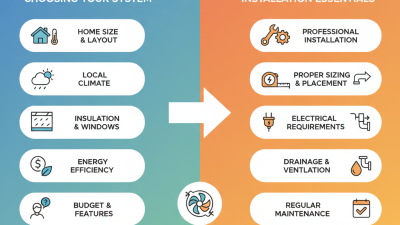
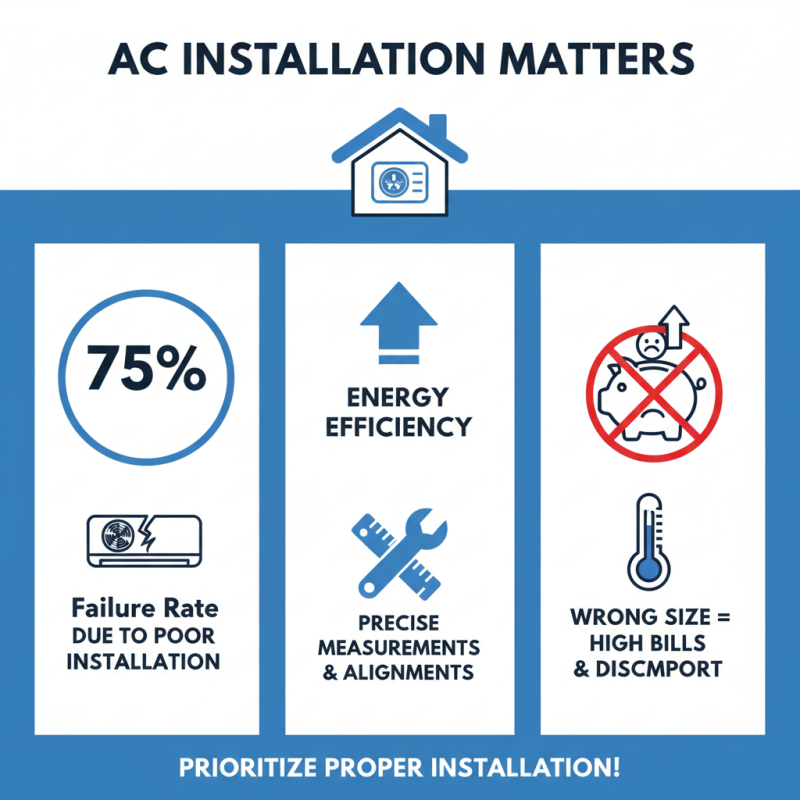
When installing a residential air conditioning system, proper practices are crucial for ensuring optimal performance. Reports indicate that around 75% of air conditioning units fail due to poor installation. It's essential to prioritize precise measurements and alignments, which directly affect energy efficiency. A system that isn’t sized correctly can result in higher energy bills and discomfort.

Tips: Consider hiring a certified technician. They bring experience and knowledge. This can save money long-term. Not every DIY approach pays off.

Ductwork plays a significant role in air conditioning performance. Faulty ductwork can lead to energy losses of up to 30%. Sealing leaks and proper insulation can drastically improve system efficiency. Regular maintenance checks can catch issues early, enhancing the lifespan of your unit.

Tips: Clean filters every month. A dirty filter can restrict airflow, causing the system to work harder. This leads to increased energy consumption. Stay proactive with maintenance to avoid costly repairs.