When choosing the best residential air conditioning systems, comfort and efficiency become top priorities. John Smith, an HVAC expert, believes, “Quality air conditioning is essential for a comfortable home.” With rising temperatures and increasing energy costs, selecting the right system can be overwhelming.
Many homeowners often overlook important factors. It's easy to get swayed by flashy advertisements rather than focusing on efficiency ratings and overall comfort. Each household has unique needs that require careful consideration. The right residential air conditioning system should balance performance and energy savings.
In this guide, we will explore the ten best options available. From energy-efficient models to smart technology integration, each choice offers unique benefits. Finding the perfect system might take time and research. It's crucial to ensure your home stays cool without breaking the bank. Your comfort depends on it.
When selecting an air conditioning system, several features come into play. Energy efficiency is crucial for saving on bills. Look for models with a high Seasonal Energy Efficiency Ratio (SEER). This rating indicates how well the system cools your home while using less energy. A higher SEER means lower energy costs over time.
Noise levels matter too. Some systems can be surprisingly loud. Consider models designed for quiet operation, especially if your home's layout places the unit near bedrooms or living spaces. You want comfort without constant noise disruptions. Additionally, take into account the size of the system. An improperly sized unit can lead to uneven cooling and increased energy consumption.
Installation and maintenance requirements should also be examined. Some systems require professional installation, which adds to the initial cost. Others might be simpler for DIY installation. Regular maintenance is essential for longevity, but some systems demand more attention than others. A balance between reliability and ease of upkeep is key. Ultimately, weigh these features based on your lifestyle and needs.
This chart compares the cooling efficiency (measured in SEER - Seasonal Energy Efficiency Ratio) of the top 10 residential air conditioning systems, highlighting their performance in providing ultimate home comfort.
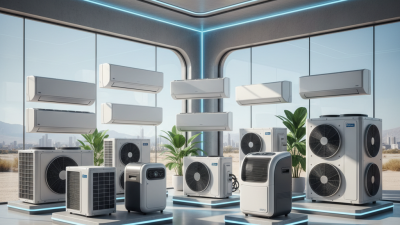
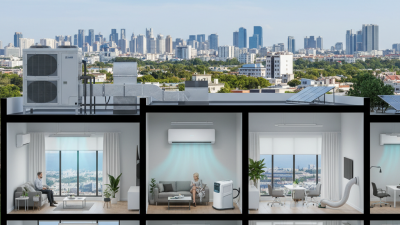
When considering residential air conditioning systems, it's essential to understand the types available. Central air conditioning systems are popular choices for larger homes. They cool the entire house evenly, ensuring comfort in every room. Yet, they require ductwork, which can be an expensive installation.
Ductless mini-split systems are gaining popularity. They provide flexibility and are easier to install. These systems allow room-by-room temperature control. However, they can be less efficient for larger homes.
Window units are another option. They are affordable and easy to install. For small spaces, they offer quick cooling solutions. Still, they can be noisy and block the view. Portable units also serve a purpose. They are movable and can cool various rooms. But they can be bulky, consuming floor space.
Each system has pros and cons, leaving homeowners to reflect on their specific needs and circumstances.
When selecting a residential air conditioning system, energy efficiency ratings are crucial. These ratings determine how much energy the system uses compared to its cooling output. A high rating often means lower utility bills and a reduced environmental impact. According to the U.S. Department of Energy, efficient systems can save homeowners up to 30% on annual energy costs. This is significant when considering prolonged AC use during hot months.
Understanding energy efficiency ratings like SEER (Seasonal Energy Efficiency Ratio) is essential. Systems with a SEER rating of 14 or higher are generally deemed efficient. However, many homes still use older models with lower ratings. This inefficiency can lead to wasted energy and higher bills. Retrofitting an older system with a modern, efficient one can offer substantial savings over time. Yet, the upfront cost may deter some homeowners. Balancing initial investment with long-term efficiency is crucial.
Homeowners must also consider the climate when choosing a system. The optimal energy-efficient rating can vary based on local weather conditions. For instance, in hotter climates, a higher SEER rating is typically more beneficial. However, in moderate areas, the benefit might not justify the cost of a high-efficiency unit. It's essential to evaluate both the immediate comfort needs and future energy costs while making a decision.
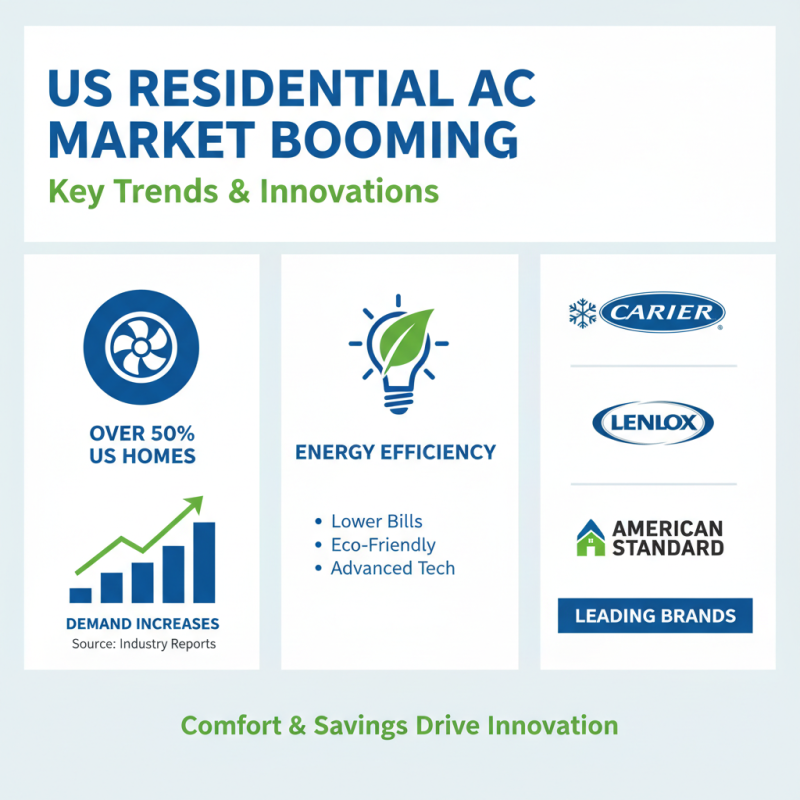
The residential air conditioning market is thriving, with several key brands leading the field. Industry reports show that over 50% of U.S. homes now have air conditioning. This demand pushes manufacturers to innovate. Energy efficiency is a critical factor. Many homeowners seek systems that reduce energy bills while maintaining comfort.
Top models are designed with variable speed technology, allowing them to adjust cooling output. Such systems can cut energy use by up to 30%. They can also achieve SEER ratings exceeding 20. SEER stands for Seasonal Energy Efficiency Ratio. Higher ratings indicate more efficiency. Yet, some consumers remain unaware of these ratings. This gap highlights a need for greater education in the market.
Durability is another concern. Reports suggest that about 20% of new systems fail within five years. Regular maintenance can prevent some of these issues. Homeowners often overlook this aspect. They may be lured by upfront costs rather than long-term savings. These factors play a crucial role in choosing the right system for comfort and efficiency. Understanding both technology and maintenance is vital for any potential buyer.
Maintaining your air conditioning system is crucial for longevity. Regular cleaning can prevent dust accumulation. This keeps the airflow efficient. Check the filters every month. Replace them if they’re dirty. It’s a simple task, but often overlooked. A clean filter can improve air quality. It also helps the unit run cooler.
Inspecting the outdoor unit is important too. Clear away debris, such as leaves or dirt. This allows for proper air circulation. Ensure that the unit is level. An unbalanced system can lead to further issues. Schedule annual professional maintenance. Technicians can detect problems early. They can recharge refrigerant levels if needed.
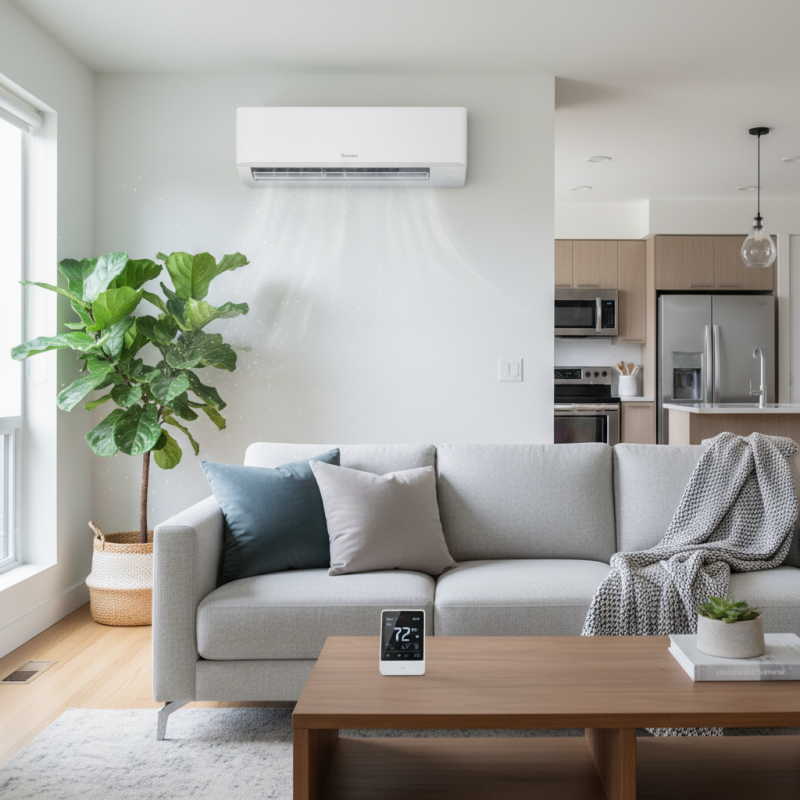
Consider using a programmable thermostat. It can save energy while maintaining comfort. But don’t set it and forget it. Always check for any unusual noises or changes in performance. These can indicate potential problems. A little attention can go a long way. Your comfort and system health depend on it.