Choosing the best transport vehicles can significantly impact your daily life. Whether for personal use or business, the right vehicle should meet your specific needs. Transport vehicles come in various shapes and sizes. Each type serves a unique purpose, from compact cars to spacious vans.
When considering transport vehicles, think about your typical usage. Do you need cargo capacity? Or perhaps you require a fuel-efficient commuter vehicle? Research is key to making an informed choice. You may find that the options seem overwhelming at times. It's essential to reflect on what features are non-negotiable for you.
Do not forget about your budget. A vehicle that appears ideal might not fit within your financial constraints. Additionally, consider maintenance costs for each model. With numerous factors at play, taking time to evaluate your options can lead to better decisions.
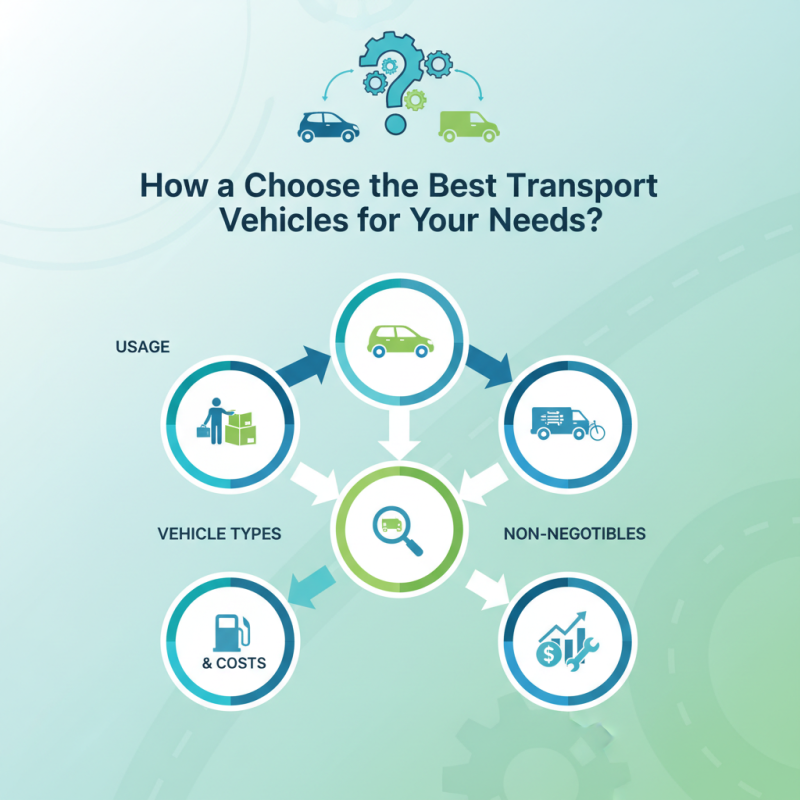
Choosing the right transport vehicle starts with understanding your specific needs. Consider factors like the type of goods you transport, the frequency of operations, and the distances involved. According to a recent study by the Transportation Research Board, 74% of logistics managers prioritize vehicle versatility to meet diverse operational demands. This means identifying whether you need a light-duty truck for short hauls or a specialized vehicle for temperature-sensitive goods.
Tips: Assessing your load capacity is crucial. Make sure to calculate the average weight and size of your shipments. This will impact vehicle choice directly. A wrong selection can lead to inefficiencies and added costs.
Your environmental impact is another consideration. With 43% of transport companies reporting carbon emissions as a priority, you might want to explore options like electric or hybrid vehicles. However, do remember that adaptability is key. If your needs change, can your chosen vehicle accommodate that? Often, companies find their initial choice lacking and face costly modifications later. Adjusting to your transport needs requires a flexible mindset.
When choosing the best transport vehicle, it's crucial to assess the various types available. The key is understanding what fits your specific needs. For instance, light-duty trucks are often preferred for small businesses. They offer versatile cargo space and can be used for deliveries. According to industry reports, the light truck segment holds a 35% share of the total vehicle market.
Consider the fuel efficiency of your vehicle choice. Electric and hybrid options are gaining popularity, with sales increasing by 20% year-over-year. These vehicles not only reduce your carbon footprint but can also lower operational costs. However, some may find charging infrastructure lacking in certain areas, which can lead to inconvenient downtimes.
Tip: Always evaluate your typical routes. If you often deal with urban traffic, compact cars might perform better. Larger vehicles might be inefficient in congested zones. Similarly, reflect on your load capacity. Overloading a vehicle can lead to maintenance issues and safety risks. Striking a balance is essential.
When selecting transport vehicles, budget considerations are crucial. Studies reveal that companies often overspend on logistics. A report by the American Transportation Research Institute indicates that nearly 15% of transportation costs can be attributed to inappropriate vehicle choices. Evaluating your needs is essential. Do you require a larger capacity, or is fuel efficiency more critical?
Cost-effectiveness should include maintenance and operational costs. For instance, diesel vehicles may have higher initial costs, but they often offer better fuel economy. According to the U.S. Department of Energy, diesel engines are about 20% more efficient than their gasoline counterparts. This efficiency translates into savings over time.
However, not every option may meet your needs perfectly. Oversizing your fleet can lead to unused capacity, increasing your expenses. A 2022 Fleet Sustainability report pointed out that about 30% of commercial vehicles run below capacity. Each choice should be carefully analyzed. Reflect on your specific requirements before making a decision.
| Vehicle Type | Purchase Cost | Operating Cost (per month) | Fuel Efficiency (mpg) | Capacity (passengers or load) |
|---|---|---|---|---|
| Compact Car | $20,000 | $150 | 30 | 5 passengers |
| SUV | $35,000 | $250 | 25 | 7 passengers |
| Pickup Truck | $30,000 | $200 | 20 | 1,500 lbs |
| Minivan | $28,000 | $220 | 22 | 8 passengers |
| Luxury Sedan | $50,000 | $300 | 28 | 5 passengers |
When selecting transport vehicles, specifications matter greatly. Consider size, weight capacity, and fuel efficiency. A vehicle that is too small may limit your load, leading to extra trips. On the other hand, a vehicle that is too large can consume more fuel than necessary, increasing overall costs. Every detail counts and should align with your specific needs.
Performance features are another critical aspect. Examine the engine power and transmission type. Electric vehicles offer low emissions but may have limited range. Meanwhile, combustion engines provide more power but could have higher maintenance costs. Comfort is also essential. A vehicle with a well-designed cabin enhances driver focus and reduces fatigue during long hauls. Are you prioritizing cargo space or passenger comfort? Every choice affects your overall satisfaction.
Don’t overlook safety features. Advanced braking systems and stability control reduce accident risks but could come at a higher price. Striking a balance between features and budget is necessary. It’s easy to get overwhelmed. Reflection on your unique requirements is key. What will truly serve your purpose? The best decisions come from careful consideration of all these aspects.
When choosing transport vehicles, environmental impact and sustainability are crucial factors. The transportation sector contributes nearly 24% of global greenhouse gas emissions. This statistic highlights the need for eco-friendly vehicle options. Electric vehicles (EVs) are becoming increasingly popular. They emit zero tailpipe emissions, which can greatly reduce urban air pollution. Yet, the production of batteries raises concerns about resource extraction and its effects on ecosystems.
Moreover, the materials used in vehicles also affect sustainability. Lightweight materials are seeing more use. They help improve fuel efficiency. However, their production poses environmental challenges. For instance, aluminum production is energy-intensive, requiring significant resources. A study from the International Energy Agency indicated that improving fuel economy in conventional vehicles could reduce emissions by up to 50%. While this is promising, it requires commitment from manufacturers and consumers alike.
Considering public transport options is another vital aspect. Mass transit systems can significantly lower per capita emissions compared to single-occupancy vehicles. However, many cities struggle with outdated systems. Investment in modern, efficient public transport can make a substantial difference. Yet, this often faces budgetary constraints. Balancing the need for sustainable transport with economic feasibility remains a challenge for many communities.