As the global demand for effective heating and air conditioning solutions rises, China emerges as a key player in this industry. In 2022, the global air conditioning market was valued at approximately $122.5 billion, with projections indicating it will reach $162.1 billion by 2026, according to industry reports. Chinese manufacturers contribute significantly to this growth, known for their innovation and cost-effectiveness.
The competitive landscape of air conditioning technology is evolving. Many global buyers are seeking energy-efficient and sustainable solutions. Chinese brands focus on advanced technologies like inverter systems and smart controls. A recent study showed that energy-efficient units can reduce electricity usage by up to 30%. These advancements not only cater to market demands but also reflect a commitment to sustainability.
However, challenges persist in the global supply chain, impacting availability and pricing. Concerns over quality and after-sales service still linger among international customers. Buyers must navigate these complexities when seeking reliable air conditioning solutions. Understanding the nuances of the Chinese market is crucial for making informed decisions.

China's air conditioning market has matured significantly. The industry is characterized by its rapid technological advancements and diverse product offerings. Major players in the market focus on energy efficiency and innovative design, which appeal to a global audience. The demand for air conditioning systems is driven by urbanization and changing climate conditions. As more people seek comfort, companies adapt their products to meet expectations.
When selecting air conditioning solutions, consider energy consumption. Efficient models save money in the long run. Assess your space requirements carefully to avoid over or under-sizing units. Installation quality matters. Poor installation can negate efficiency gains.
Watch for the trends in smart technology. Many systems now integrate with home automation. This offers convenience and enhances user experience. Keep an eye on warranty options as well, as they reflect product reliability and company confidence. As the market evolves, it's essential to stay informed about emerging features and standards. This will help buyers make educated choices in a competitive landscape.
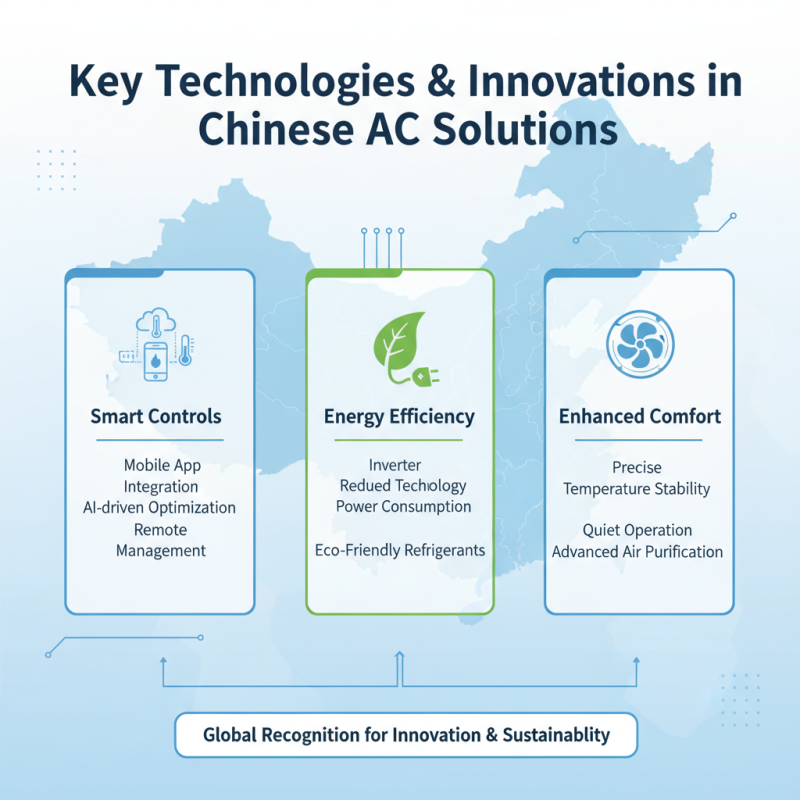
Chinese air conditioning solutions are gaining attention globally due to their innovative technologies. These systems often integrate smart controls with energy efficiency. Many units utilize inverter technology, which helps reduce power consumption while maintaining temperature stability. This is crucial for both residential and commercial applications.
The introduction of eco-friendly refrigerants marks another significant advancement. These refrigerants have lower global warming potential compared to their predecessors. Furthermore, features like air purification and humidity control enhance indoor air quality. Users appreciate such capabilities, especially in urban areas where pollution can be a problem.
However, there are challenges too. Some products may not perform well in extreme weather conditions. Reliability varies, and buyers need to conduct thorough research. It’s essential to consider local climate while selecting air conditioning units. Overall, there is a strong push for continuous improvement in technology and sustainability in this field.
China's air conditioning industry has made significant strides in recent years. According to the International Institute of Refrigeration, the global air conditioning market is projected to reach $200 billion by 2025. China plays a crucial role, accounting for over 40% of the total market share. With advanced technologies and manufacturing capacities, Chinese brands have influenced global standards.
Many buyers are drawn to Chinese solutions, yet challenges exist. Quality inconsistencies can hinder international expansion. In certain markets, the perception of reliability may vary. The market’s fierce competitiveness often leads to aggressive pricing strategies, which can compromise long-term service sustainability.
Sustainability is another pressing concern. The shift towards eco-friendly refrigerants is imperative. Key reports indicate that approximately 30% of new air conditioners in China now use low-global warming potential refrigerants. Yet, this transition needs more industry-wide cooperation to ensure effectiveness. It is essential for brands to balance cost, quality, and sustainability to maintain their global impact.
The chart below illustrates the market share percentage of various air conditioning solutions globally, highlighting the dominant technologies in the market as of 2023.
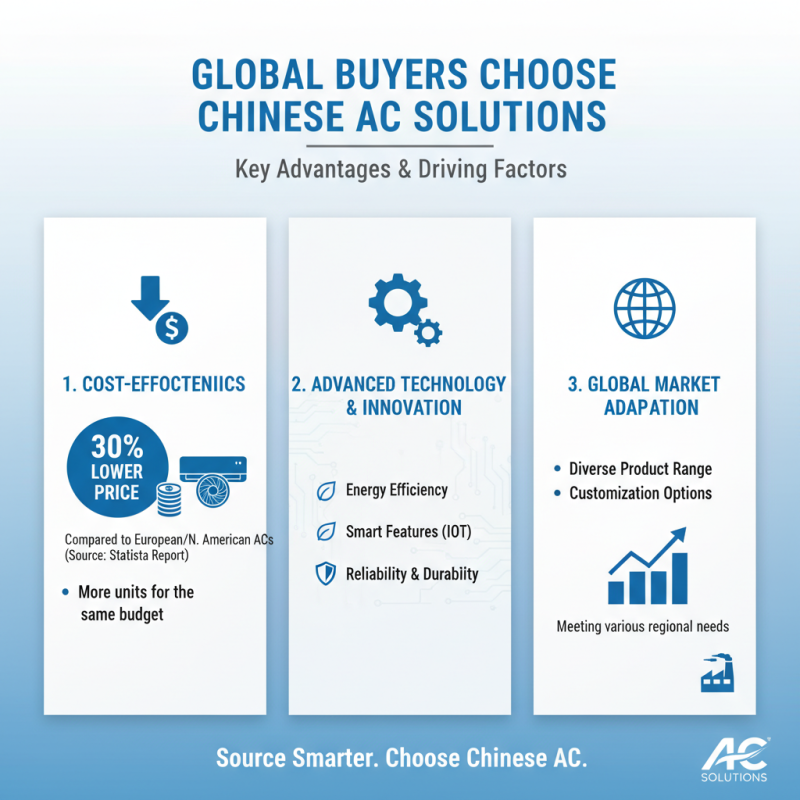
Global buyers are increasingly recognizing the unique advantages offered by Chinese air conditioning solutions. Cost-effectiveness is a primary factor. According to a recent report by Statista, the price of air conditioners manufactured in China can be up to 30% lower than those made in Europe or North America. This margin allows buyers to invest in additional units without exceeding their budgets.
Quality is another consideration that influences purchasing decisions. China has made significant strides in improving the quality standards of its products. Research from the International Energy Agency indicates that Chinese AC units tend to have higher energy efficiency ratings. This improvement can lead to lower operational costs over time, appealing to environmentally conscious consumers. However, discrepancies in quality control can still lead to concerns about durability.
Lastly, the evolving landscape of global supply chains plays a crucial role. Many buyers appreciate the rapid delivery times from suppliers in China. However, the ongoing challenges of logistics, such as shipping delays and increased costs, can deter potential buyers. Moreover, varying regulations across countries can complicate the decision-making process. Despite these challenges, the flexibility and innovation found in Chinese AC solutions continue to attract global buyers seeking value.
The air conditioning sector in China is evolving rapidly. For international buyers, understanding these shifts is crucial. Eco-friendly technology is becoming a major focus. Manufacturers are investing heavily in energy-efficient designs. This trend meets global demands for sustainability.
Tips: Always seek products with high energy ratings. They may have a higher upfront cost but save money long term.
Digitalization is transforming the industry. Smart home integration is on the rise. This means that many units now come with remote control features. These conveniences appeal to tech-savvy consumers.
Tips: Research compatibility with existing smart home systems. Not all units work seamlessly together.
Looking ahead, AI-driven solutions are emerging. Predictive maintenance alerts save costs and prevent breakdowns. However, some products may still lack reliable customer support. International buyers should weigh these factors carefully.
| Type | Energy Efficiency Rating | Average Price (USD) | Import Demand (Units) | Future Trend |
|---|---|---|---|---|
| Split AC | A++ | 450 | 150,000 | Increasing demand for energy-efficient models |
| Window AC | B | 300 | 100,000 | Stable demand in urban areas |
| Central AC | A+++ | 1200 | 75,000 | Growth in large commercial buildings |
| Ductless Mini-Split | A+ | 700 | 50,000 | Rising preference in residential settings |
| Portable AC | B+ | 400 | 30,000 | Growing in small apartments |