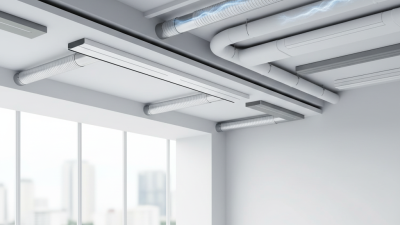
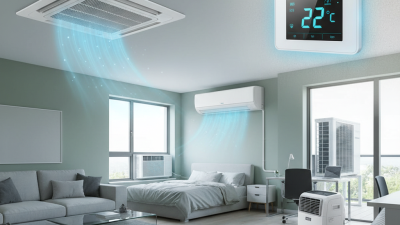
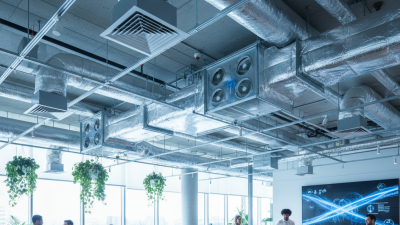
Choosing the right air conditioning trunking solution is crucial for efficient cooling systems. Proper trunking aids in protecting vital components. It also enhances the overall aesthetic of a space.
When selecting air conditioning trunking, consider material quality and durability. Common options include PVC, metal, and flexible materials. Each has its pros and cons, which can impact installation and maintenance. It's essential to evaluate energy efficiency too. Look for products that minimize energy loss.
Installation can be tricky. Ill-fitting trunking can lead to airflow issues or increased operational costs. Always consult with professionals who understand the nuances. They can help you avoid costly mistakes. Reflect on your choices carefully. Tailoring solutions to specific needs pays off in the long run.
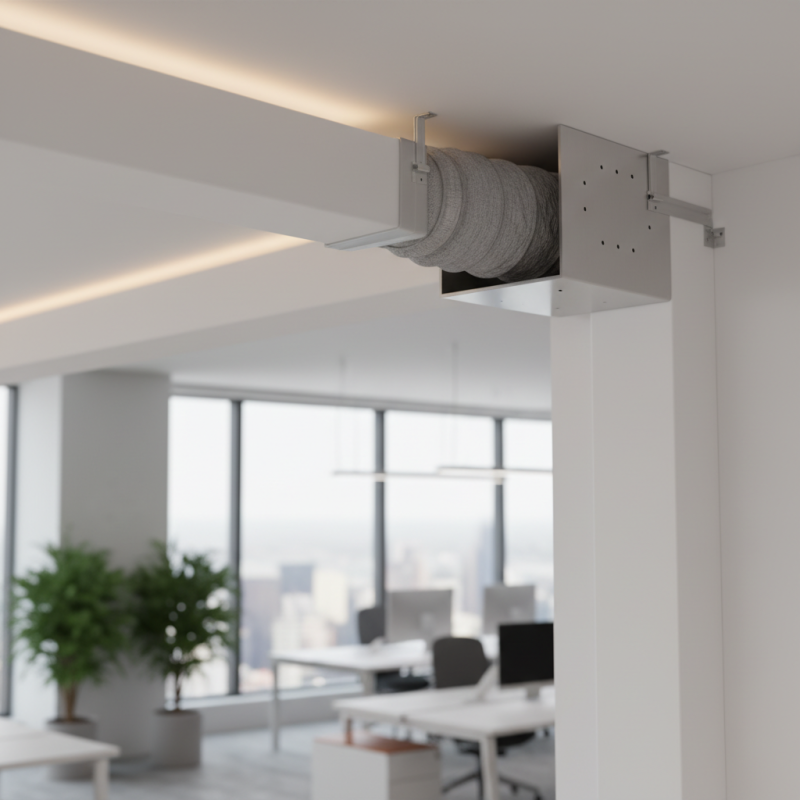
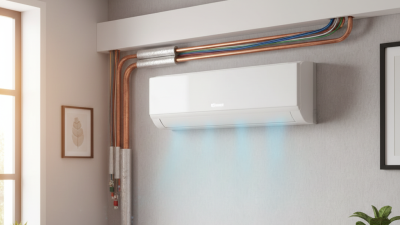
Air conditioning trunking plays a vital role in maintaining efficient HVAC systems. This system protects and manages refrigerant lines, electrical cables, and drainage pipes. Proper trunking ensures easy maintenance and aesthetic appeal. According to a report by the International Energy Agency, efficient trunking can improve system performance by up to 30%.
Choosing the right material is critical. PVC and metal are common choices, each with unique advantages. PVC is lightweight and resistant to corrosion. Metal, however, offers sturdiness and durability. Both materials require proper installation methods to avoid future issues. Faulty trunking can lead to energy losses. A study from the U.S. Department of Energy revealed that improper insulation could reduce system efficiency by nearly 20%.
Installation strategies should not be overlooked. Using the correct sizing and layout can enhance airflow and reduce noise. Incorrect sizing may result in pressure drops or increased noise levels. Always consult HVAC professionals for recommendations tailored to specific needs. Balancing aesthetics with functionality is crucial. Ensuring your trunking solution aligns well with the building's design will improve overall satisfaction.
| Dimension | Material | Color Options | Installation Type | Cost Estimate |
|---|---|---|---|---|
| 100mm x 100mm | PVC | White, Grey | Surface Mount | $2.50 per meter |
| 150mm x 150mm | Aluminum | Black, Silver | Recessed | $4.00 per meter |
| 200mm x 100mm | Steel | White | Surface Mount | $3.00 per meter |
| 250mm x 150mm | PVC | Grey | Recessed | $5.00 per meter |
| 300mm x 300mm | Aluminum | Silver | Surface Mount | $6.00 per meter |
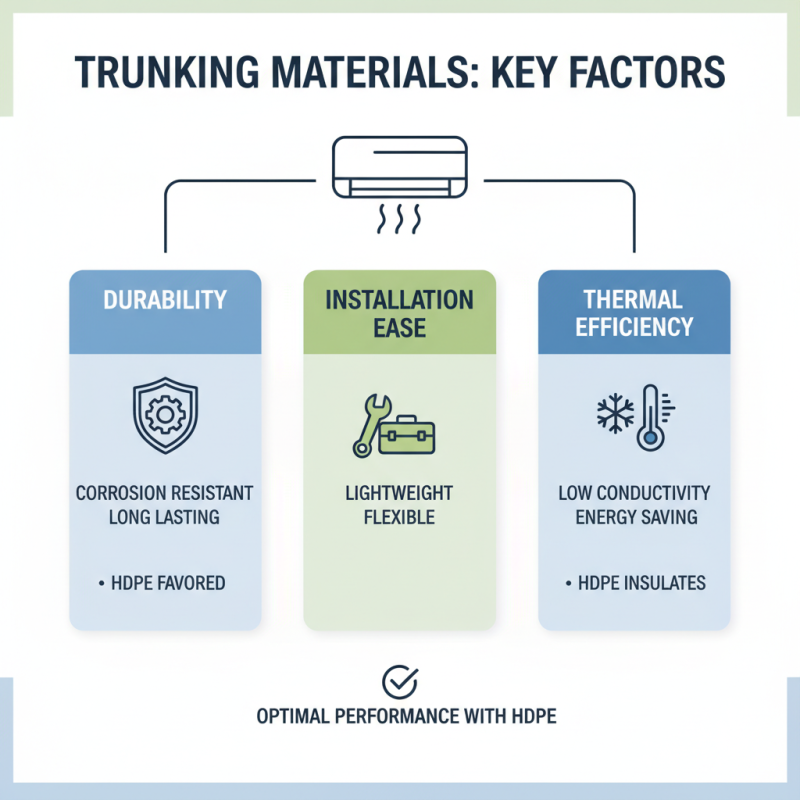
When selecting trunking materials for air conditioning systems, several key factors must be considered. The choice of materials affects durability, installation ease, and thermal efficiency. According to industry reports, trunking made from high-density polyethylene (HDPE) is often favored for its resistance to corrosion and low thermal conductivity. This resilience ensures that air conditioning systems operate efficiently over time.
One essential tip is to evaluate the local climate and installation environment. For instance, areas with high humidity might require special coatings on trunking to prevent mold growth. Improper material selection can lead to accelerated deterioration, increasing replacement costs. Pay close attention to material specifications, as temperatures can significantly impact performance.
Another crucial aspect is the size and layout of the trunking. Insufficient trunking sizes may lead to airflow issues, causing decreased efficiency. It is vital to adhere to industry guidelines for sizing to maintain optimal performance. Additionally, engaging with industry experts can provide valuable insights, especially for complex installations. Inadequate research can result in costly mistakes that affect long-term system reliability.
When selecting air conditioning trunking solutions, size and capacity are critical factors to consider. A well-established guideline indicates trunking must match the airflow requirements of the system. According to industry reports, a properly sized trunking solution can enhance the efficiency of an HVAC system by up to 20%. This efficiency can significantly impact energy consumption, translating to lower utility bills and a reduced carbon footprint.
Evaluating the trunking's cross-sectional area is essential for optimal airflow. Most experts suggest calculating the total BTU (British Thermal Units) required for your space to determine the right size. A common mistake is underestimating this metric. For instance, a room needing 5,000 BTU might require a trunking with a minimum cross-sectional area of about 3 square inches. Neglecting these measurements can lead to inadequate cooling or heating, causing discomfort and increased operational costs.
Additionally, consider the materials used in the trunking. While some may focus solely on aesthetics, durability remains a paramount concern. Metal trunking often has higher longevity and better thermal insulation than plastic alternatives. However, installation can be tricky; improper fitting may lead to air leaks, leading to inefficiencies. Conducting a thorough assessment of the installation site can help avoid common pitfalls and ensure a more reliable solution.
Selecting the right air conditioning trunking solutions involves a careful examination of aesthetic and design considerations. A well-designed trunking system should seamlessly blend into the architecture of a space. According to industry research, 72% of consumers prefer visually appealing installations. This preference emphasizes the need for products that enhance interior design rather than detracting from it.
Color, texture, and materials are key factors in the design of trunking. For instance, sleek, white finishes tend to align better with modern decor. Conversely, textured surfaces can add depth to minimalist environments. Many interior designers recommend matching trunking to wall colors for a unified look. However, not all manufacturers effectively address these needs, leaving consumers with limited options.
Functionality also must be compatible with design. Poorly designed systems may obstruct airflow or create noise issues, impacting comfort. Adjustments in trunking design can lead to better thermal performance, but finding the right balance is often challenging. Engaging experts for tailored solutions can yield substantial benefits. Nonetheless, investing in trunking that complements both aesthetic and functional goals can enhance overall satisfaction in living and working spaces.
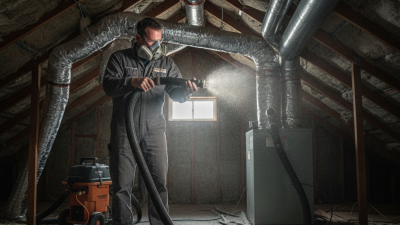
When selecting air conditioning trunking solutions, maintenance and accessibility are critical factors. Proper maintenance ensures that your system runs efficiently and lasts longer. Regular cleaning of trunking is necessary. Dust and debris can accumulate and obstruct airflow, causing inefficiencies. Inspect the insulation regularly for wear and tear. This can prevent costly repairs and enhance performance.
Accessibility is equally important. Trunking should be installed in a way that allows easy access for maintenance. Consider the layout of your space carefully. Make sure technicians can reach all units without hassle. This can sometimes be overlooked, leading to increased downtime during repairs. Remember that poorly planned trunking can limit your options for future upgrades.
Here are some tips for maintaining your trunking system effectively. Schedule routine inspections with professionals. They can spot issues before they escalate. Use quality materials for installation, even if they cost a bit more initially. This often pays off in longevity and less frequent maintenance. Both these factors contribute to a reliable air conditioning system. Evaluate your trunking regularly, and be willing to adapt as needed.