Choosing the right air conditioning and installation options can be overwhelming. According to John Smith, a renowned HVAC expert, “Investing in quality systems pays off in efficiency and comfort.” The choices range from energy-efficient models to various installation methods, each with its merits.
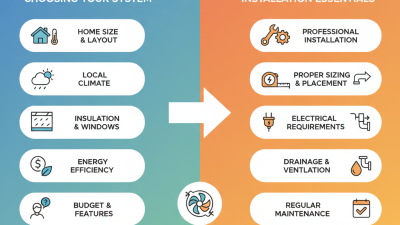
Understanding your needs is crucial. A system that works for one home may not suit another. Factors like home size, climate, and personal preferences come into play. Ensuring that your choice aligns with these aspects can enhance performance and comfort.
Mistakes can lead to discomfort or higher costs down the line. Many homeowners underestimate the importance of professional installation. An improperly installed unit can result in inefficiencies. It’s vital to consider not just the unit itself but how it integrates into your space. With the right guidance, you can make informed decisions in the air conditioning and installation journey.
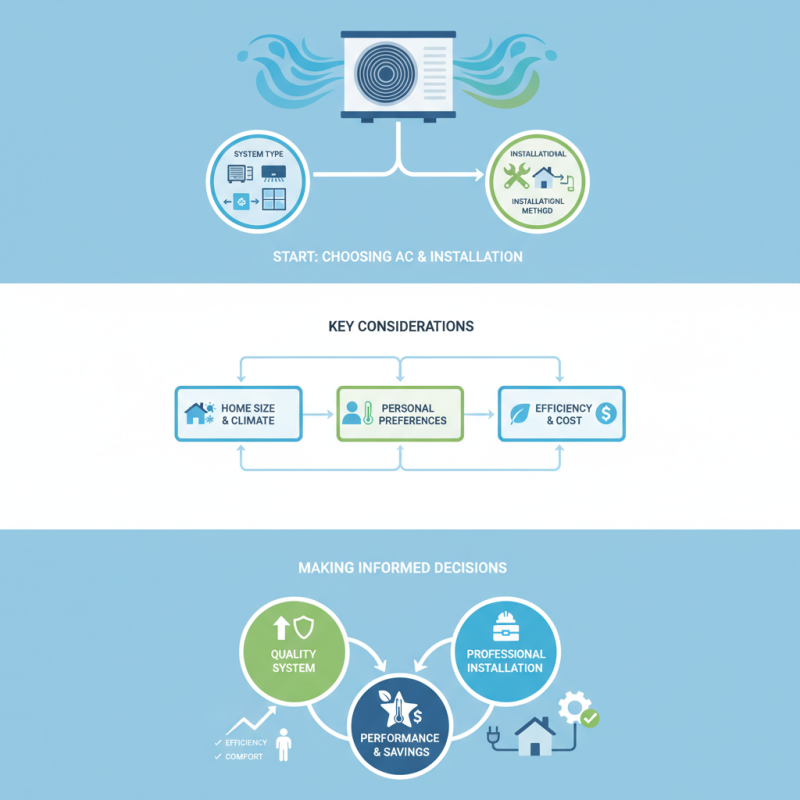
Choosing the right air conditioner involves several key factors. The size of your space is crucial. An undersized unit may struggle to cool your area effectively, while an oversized one can cycle on and off too frequently, wasting energy. According to the U.S. Department of Energy, proper sizing contributes to about 30% greater efficiency in cooling.
Another important aspect is the energy efficiency ratio (EER). Higher EER ratings indicate better efficiency, leading to lower energy bills. The average EER for residential units is around 11.5, but options are available that exceed 14.5. Investing in a unit with a high EER can save you significant money over its lifespan.
Consider noise levels as well. Many consumers find quieter units more comfortable. Noise ratings are measured in decibels (dB), ideally below 60 dB for residential areas. Some units can reach up to 75 dB, which may disrupt daily life. Evaluating all these factors requires time and patience, but making informed decisions ensures long-term satisfaction. Remember, you want a dependable system that meets your specific needs.
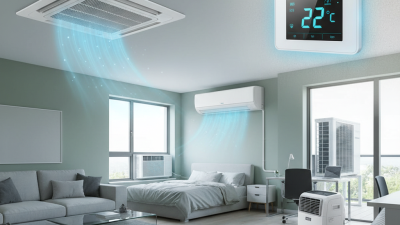
When choosing an air conditioning system, understanding the various types available is crucial. Central air conditioning systems are popular for larger homes. They distribute cool air through ducts. This option is efficient and provides even cooling. However, installation can be costly. Regular maintenance is also required to keep it running effectively.
Ductless mini-split systems are gaining popularity. They are ideal for homes without ductwork. These systems consist of an outdoor condenser and one or more indoor units. They offer flexibility in zoning, allowing for different temperature settings in different rooms. However, their upfront cost can be higher than traditional systems. It's important to weigh these factors carefully.
Portable air conditioners are another alternative. They are easy to set up and do not require permanent installation. They can be moved from room to room as needed. Yet, they typically offer less cooling power and can be noisy. Homeowners should consider their specific needs and the implications of each system type. Ultimately, air conditioning decisions should align with comfort, efficiency, and budget constraints.
When considering air conditioning options, energy efficiency ratings play a crucial role. Look for systems with high SEER (Seasonal Energy Efficiency Ratio) ratings. Higher numbers indicate better efficiency, leading to lower electricity bills. Energy-efficient models may have a higher upfront cost but can save money long-term.
Cost considerations should encompass both purchase and installation expenses. Some systems have complex installation requirements that may significantly raise overall costs. Review various installation options and get multiple quotes. This way, you can better compare total costs.
Balancing price and efficiency is challenging. Some might prioritize immediate affordability over long-term savings. Others might feel overwhelmed by the technical details of efficiency ratings. It's essential to focus on what fits your lifestyle. Take your time to weigh options to avoid future regrets.
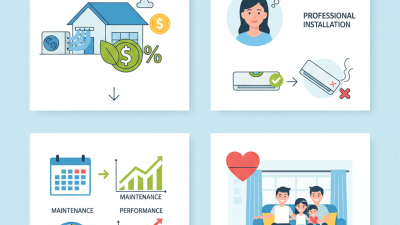
When selecting air conditioning systems, the role of professional installation cannot be overstated. According to the U.S. Department of Energy, improper installation can lead to energy inefficiencies of up to 30%. This statistic highlights the necessity of expertise during installation. A properly installed system ensures optimal airflow and refrigerant levels, enhancing cooling efficiency.
Many homeowners overlook the long-term benefits of qualified installation services. A study by the Air Conditioning Contractors of America indicates that systems installed by professionals have a longer lifespan, often 15-20% more than DIY options. Additionally, professional services often provide warranties and maintenance plans, ensuring the system remains efficient over time.
Cutting corners during installation can lead to costly repairs later. Common mistakes include improperly sized units, which result in uneven cooling and increased energy bills. Moreover, an amateur install can compromise safety, leading to potential hazards like leaks. Reflecting on investment decisions is vital. The upfront savings from self-installation might pale in comparison to future costs incurred from poor performance or repairs.
This bar chart illustrates the average installation costs associated with different types of air conditioning systems. Properly evaluating these cost options is crucial when selecting the best air conditioning system and professional installation services.
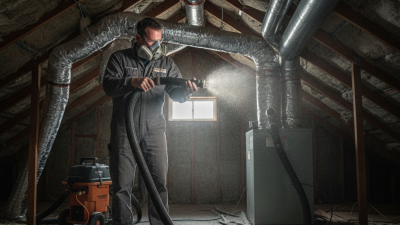
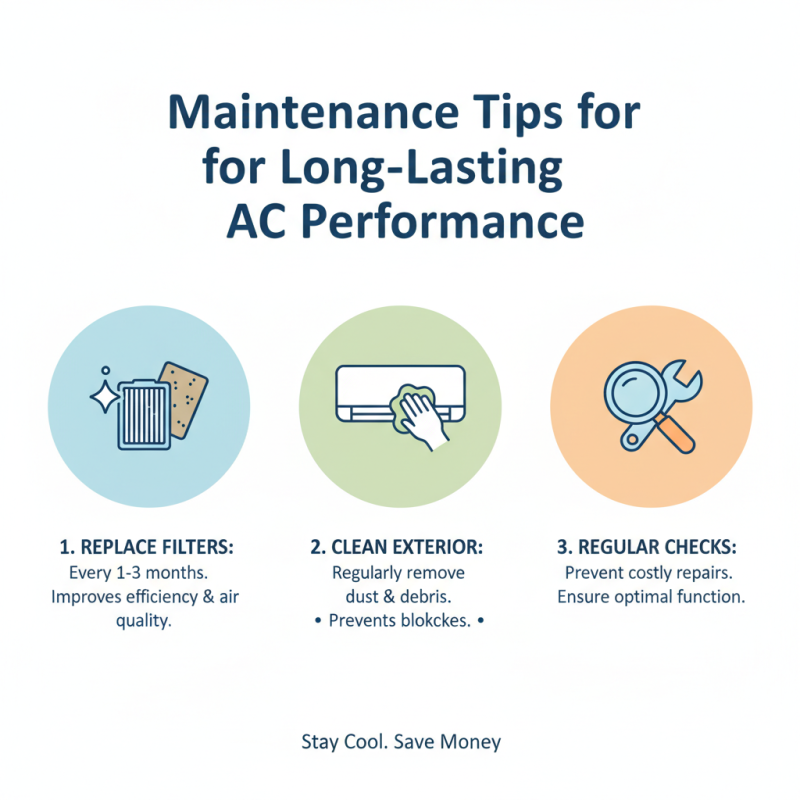
Proper maintenance is key for air conditioning systems. Regular checks can prevent costly repairs. Start by replacing filters every one to three months. Dirty filters reduce efficiency and air quality. Consider cleaning the unit’s exterior regularly. Dust and debris can hinder performance.
Check your thermostat settings. Ensure they are properly calibrated. A mismatched thermostat can lead to wasted energy. Have a professional inspect your system annually. They can catch issues before they escalate. Pay attention to unusual noises or smells. These can signal underlying problems.
In summer, avoid blocking vents with furniture. This can disrupt airflow and lead to uneven cooling. Keep outdoor units clear of shrubs. They need space for ventilation. Staying proactive with these tips will enhance your air conditioning’s longevity and efficiency.