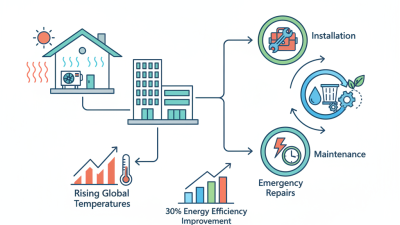
Choosing the right residential air conditioning systems is crucial for comfort and energy efficiency. According to the U.S. Department of Energy, heating and cooling account for about 50% of energy use in an average home. Selecting the best system can lead to significant savings.
Modern options range from central systems to ductless mini-splits. Each has its pros and cons. A central system may cool larger spaces effectively, while ductless systems offer flexibility for specific rooms. However, these decisions often come with complex choices. Finding the right balance can be challenging.
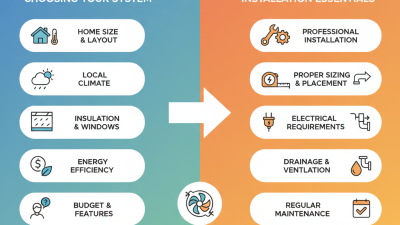
When evaluating residential air conditioning systems, consider your home's layout. If the space is small, a mini-split may be sufficient. But if you have an extensive area, a central unit might be a better fit. Comfort and cost are important, but long-term performance matters too. Misjudging these factors can lead to higher bills and discomfort. The right system is essential, but not always easy to find.
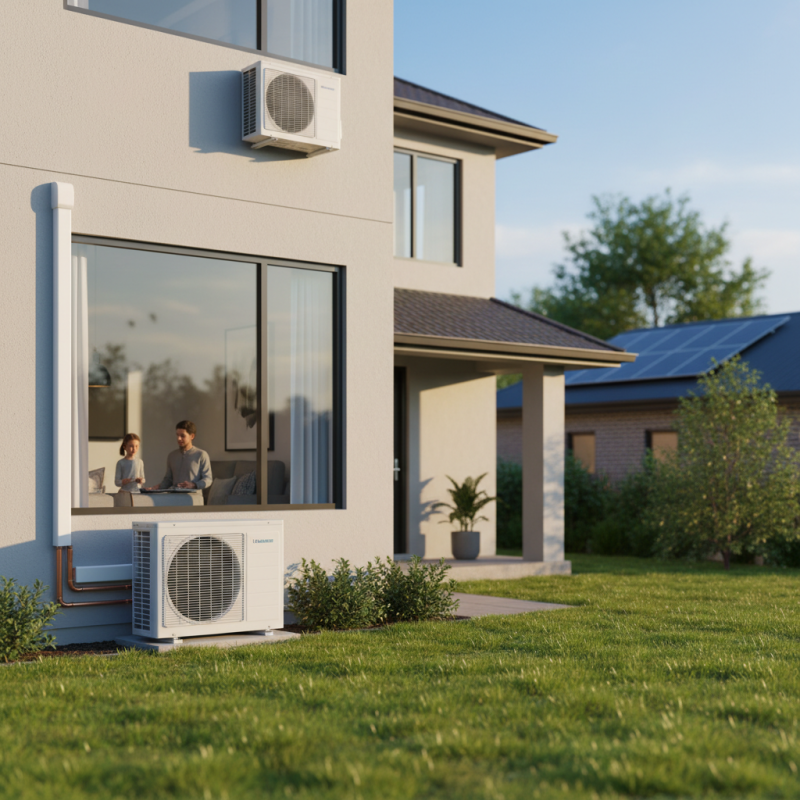
Choosing the right air conditioning system for your home involves several important factors. First, assess the size of your home. A system that is too small won’t cool effectively, while one that’s too large can waste energy. Calculate the square footage to find a suitable option.
Energy efficiency is another vital aspect. Look for systems with high SEER ratings. These systems may have higher upfront costs but save money in the long run. Check for energy rebates or incentives that might offset the purchase price.
**Tip:** Consider how often you use your air conditioning. If you run it daily, invest in a more efficient unit.
Next, think about your local climate. If you live in a hot area, a robust system is essential. Conversely, in milder climates, you can opt for a less powerful option.
**Tip:** Don’t overlook additional features like programmable thermostats. They can help manage energy consumption and provide comfort.
Finally, evaluate noise levels. Some units can be quite loud, which may disturb your peace. Research noise ratings before purchasing.
When choosing air conditioning systems for residential use, understanding the types available is crucial. There are central systems, which distribute cool air through ducts. These can effectively cool larger homes. However, they often require extensive installation. A report from the U.S. Department of Energy states that about 50% of a home’s energy consumption goes to heating and cooling. This highlights the importance of efficiency in system selection.
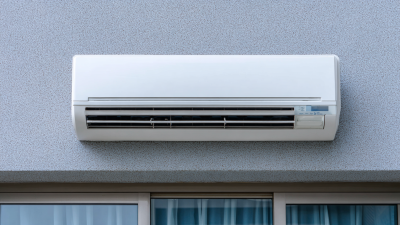
Ductless mini-split systems are another option. They are gaining traction due to their flexibility. These units can be installed in individual rooms. A study showed that homes with ductless systems can achieve energy savings up to 30% compared to traditional systems. However, in some cases, installation costs may be higher.
Window units present an economical choice for smaller spaces. They are easier to install and move. Despite their affordability, they can be less energy-efficient. Some window units only cool one room and may lead to temperature imbalances throughout the home. Interestingly, many homeowners overlook the importance of properly sizing their units, which can lead to inefficient cooling and higher bills. Balancing cost and efficiency is challenging yet essential for optimal comfort.
When selecting a residential air conditioning system, energy efficiency ratings are crucial. These ratings indicate how effectively a system converts electricity into cooling power. Higher ratings mean more savings on energy bills. Energy-efficient units often have a higher upfront cost, but they can lead to substantial savings over time.
Consider the Seasonal Energy Efficiency Ratio (SEER). This rating reflects cooling performance over a typical season. A system with a SEER of 16 or higher is typically considered efficient. Users should also evaluate the Energy Efficiency Ratio (EER), which assesses efficiency at peak cooling conditions. A unit with a higher EER will work better when temperatures soar.
It’s not just about numbers. Homeowners must assess their specific needs. Factors like home size, insulation quality, and local climate play a vital role. Sometimes, an efficient system may not be the best fit for a smaller home. It’s essential to think about balance and comfort. Getting personalized advice can help in making a well-informed decision that aligns with efficiency and practicality.
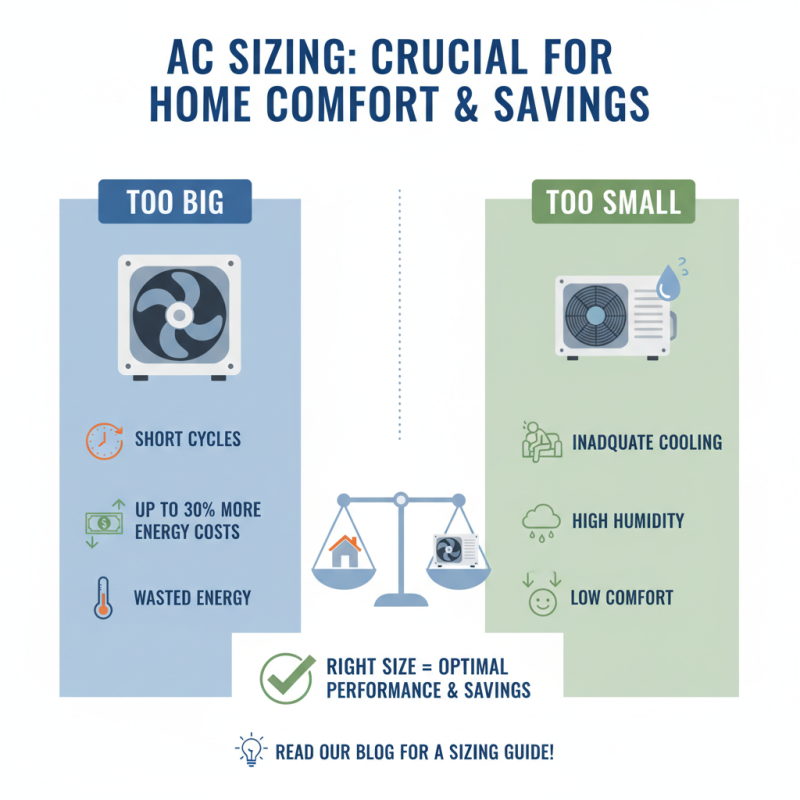
Choosing the right size for your air conditioning system is crucial for performance. An oversized unit can lead to short cycles, wasting energy. Research shows that this can increase energy costs by up to 30%. Inadequate cooling happens with undersized systems. Comfort levels drop, and humidity rises inside the space.
Sizing your air conditioning involves careful calculations. The most reliable method is to conduct a Manual J load calculation. This assesses the heat gain and loss in your home. Factors like insulation, window size, and local climate impact this. Some reports suggest that improper sizing leads to about 50% of installed systems underperforming.
Additionally, homeowners often overlook the importance of ventilation. Proper airflow enhances system efficiency. Ductwork designs can affect sizes as well. An excellent cooling system won't provide comfort if it cannot circulate air effectively. It’s critical to evaluate both cooling capacity and the layout of your home. This holistic approach ensures you select a suitable system that meets your needs.
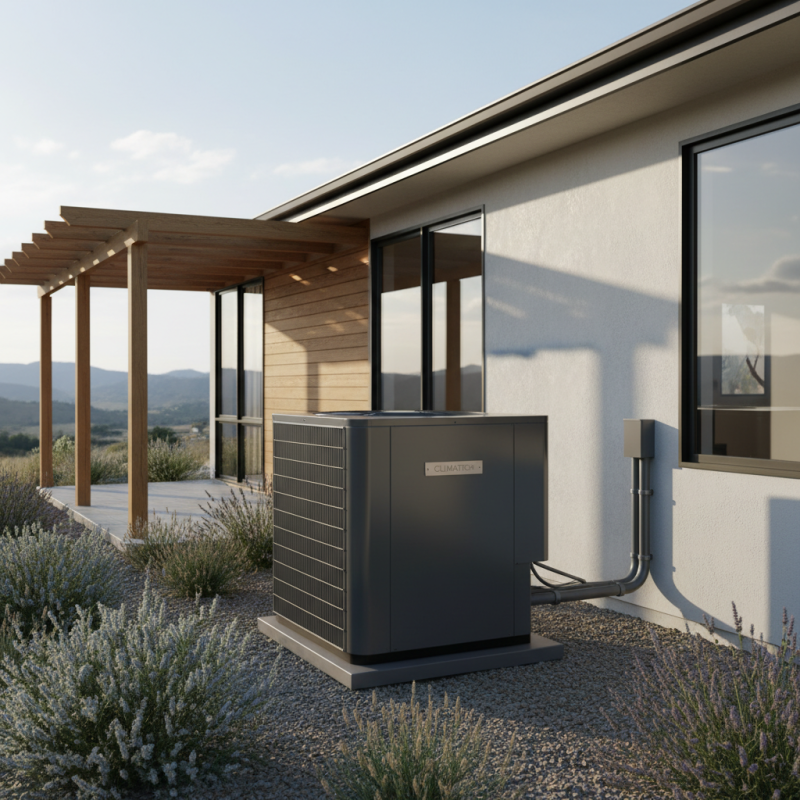
When installing an air conditioning system, attention to detail is crucial. Proper installation can significantly impact efficiency. Ensure the outdoor unit has adequate airflow. Place it away from obstructions and debris. This will help maintain optimal performance.
Regular maintenance is key to longevity. Clean or replace filters every month, especially during peak usage. Neglecting this can lead to poor air quality and larger issues. Also, check the outdoor unit for dirt and debris. A dirty unit strains the system, leading to higher energy bills.
Here are some helpful tips: Schedule professional inspections at least once a year. This can catch problems early. Don’t forget about thermostat settings. Proper adjustments can save energy when you're away. If the system is old, consider upgrading. New models are more efficient and quieter. Regularly addressing these aspects will make a noticeable difference in your comfort.