How to Choose Residential AC Installation in 2026?
Choosing residential air conditioning installation in 2026 involves more than comparing equipment prices. A comfortable home begins with accurate planning, careful measurements, and a qualified contractor. The right system should match your home’s size, insulation, window exposure, local climate, and daily routines. A powerful unit is not always better. Oversized equipment can cool quickly, then cycle too often, leaving rooms damp and uncomfortable.
This guide examines practical choices homeowners can verify before signing a contract. It considers high-efficiency heat pumps, variable-speed compressors, smart controls, updated refrigerant requirements, and indoor air quality options. It also explains why a professional load calculation matters more than a simple square-foot estimate. Ask for written specifications, expected energy performance, installation timelines, permit responsibilities, and warranty coverage. Reliable contractors should explain duct conditions, electrical needs, drainage, and outdoor unit placement in plain language.
Small details matter. A poorly sealed duct can waste conditioned air inside a hot attic. A vibrating outdoor unit can disturb a bedroom at night. A blocked condensate drain may cause water damage. I have also learned that attractive promises can hide important gaps, especially when estimates omit labor or future maintenance. No selection is perfect for every household. Your budget, comfort expectations, building age, and local regulations may change the best answer. Use this information as a careful starting point, then confirm technical recommendations with licensed professionals and current regional requirements.

Understanding Residential AC Systems and Cooling Needs in 2026
How to Choose Residential AC Installation in 2026?
Residential cooling decisions in 2026 should begin with room conditions, not equipment size. The U.S. Energy Information Administration reported that 88% of American households used air conditioning in 2020. Demand is widespread. The International Energy Agency also found that cooling consumes about 10% of global electricity. A neat tonnage rule is tempting, but it can mislead. A professional installer should calculate room-by-room loads, considering window direction, insulation, ceiling height, occupancy, and local humidity. Solar gain matters. An oversized system may cool quickly, yet leave rooms damp and cycle inefficiently.
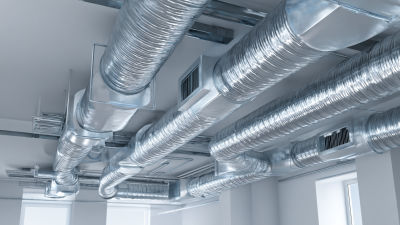
Tips: Ask for a written load calculation before accepting an installation quote. Check airflow at distant vents, not only the nearest register. The U.S. Department of Energy states that duct losses can exceed 30% of cooling energy, especially in unconditioned spaces. Seal ducts and insulate accessible sections. Compare seasonal efficiency ratings, noise levels, controls, and service access. Cheap installation can become expensive.
For smaller homes, a variable-capacity system may improve comfort during mild weather. However, its value depends on correct commissioning and steady airflow. I would question any proposal based only on square footage. Measure twice. Also inspect drainage, electrical capacity, filters, and outdoor clearance. A reliable technician should explain these details in plain language and record final operating measurements. Perfect recommendations are rare because buildings change over time. That uncertainty deserves honest discussion.
| Residential AC System | Best-Fit Home or Application | Typical Cooling Capacity | Typical Efficiency Metrics | Installation Requirements | Humidity and Comfort Performance | Primary Advantages | Important Limitations |
|---|---|---|---|---|---|---|---|
| Central Split Air Conditioner | Homes with existing supply and return ductwork and a dedicated outdoor installation area. | 18,000–60,000 Btu/h (1.5–5 tons) |
SEER2 commonly available from approximately 13.4 to above 20; actual ratings depend on the matched indoor and outdoor equipment. | Requires correctly sized ducts, refrigerant lines, condensate drainage, electrical service, outdoor clearance, and a compatible air handler or furnace coil. | Good whole-home temperature control when airflow, coil size, and run time are properly designed. | Consistent whole-home cooling, broad equipment availability, and compatibility with many existing homes. | Duct leakage or poorly insulated ducts can reduce delivered capacity and increase operating cost. |
| Variable-Speed Central System | Homes needing quieter operation, longer run times, improved temperature stability, or better humidity control. | 24,000–60,000 Btu/h (2–5 tons) |
Often rated in higher SEER2 ranges than single-stage systems; efficiency varies by matched system and operating conditions. | Needs compatible controls, correct commissioning, adequate duct design, and sufficient electrical capacity. | Modulates output to match demand, which can improve part-load comfort and moisture removal in humid climates. | Lower sound levels, fewer temperature swings, and potentially improved seasonal efficiency. | Higher purchase cost and greater control-system complexity; installation quality strongly affects performance. |
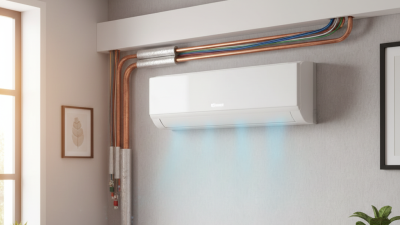
| Ductless Mini-Split Air Conditioner | Older homes without ducts, additions, converted spaces, garages, or homes requiring room-by-room zoning. | 6,000–48,000 Btu/h (approximately 0.5–4 tons) |
Many systems offer high SEER2 ratings; some are also rated for heating with HSPF2. | Requires an outdoor unit, indoor wall or ceiling unit, a small refrigerant-line opening, condensate management, and dedicated electrical provisions as required. | Excellent zoning potential; humidity control depends on indoor-unit selection, settings, and sufficient operating time. | Limited ductwork, independent room control, and efficient part-load operation. | Indoor units are visible, filters require regular cleaning, and multiple zones may increase upfront cost. |
| Ducted Heat Pump | Homes needing both cooling and heating from one central distribution system. | 24,000–60,000 Btu/h (2–5 tons) |
Cooling performance is measured with SEER2 and EER2; heating performance is commonly measured with HSPF2. | Requires suitable ductwork, outdoor-unit clearance, condensate protection, compatible indoor equipment, and a plan for low-temperature heating operation. | Provides year-round comfort; variable-capacity models can improve part-load temperature and humidity management. | Cooling and heating in one system, reduced dependence on separate combustion equipment, and strong zoning potential. | Cold-weather performance, backup heat, electrical load, and local utility rates should be evaluated before selection. |
| Packaged Air Conditioner or Heat Pump | Homes with limited indoor mechanical-room space, crawlspace installations, or roof-mounted equipment layouts. | 24,000–60,000 Btu/h (2–5 tons) |
SEER2, EER2, and, for heat-pump models, HSPF2; minimum requirements vary by equipment category and location. | All major components are located in one outdoor cabinet; requires properly sealed supply and return duct connections. | Comfort depends heavily on duct sealing, insulation, airflow balance, and correct condensate drainage. | Consolidated equipment layout and simpler indoor mechanical-space requirements. | Outdoor exposure can increase maintenance needs; a duct problem can affect the entire home. |
| Ground-Source Heat Pump | Properties with sufficient land or drilling access and a long-term ownership horizon. | 24,000–60,000 Btu/h (2–5 tons) |
Efficiency is commonly reported using EER and COP rather than only SEER2; ratings depend on entering-water temperature and test conditions. | Requires ground-loop excavation or drilling, indoor distribution equipment, water-loop components, and specialized design and commissioning. | Stable ground temperatures can support consistent cooling and heating performance; humidity control still depends on indoor equipment operation. | Potentially stable seasonal efficiency and long equipment life when the ground loop is properly designed. | High initial installation cost, site constraints, permitting, and specialized maintenance requirements. |
Related Posts
-

How to Choose the Best Air Conditioning Systems and Services for Your Home
-
Understanding the Importance of Proper Air Conditioning Duct Installation for Energy Efficiency
-
2026 Top Home Air Conditioning Options You Need to Know?
-
How to Choose the Best Aircon Trunking for Your Home Installation Needs
-
How to Choose the Right Air Conditioning System for Your Home?
-
Exploring the Advantages of AC Trunking for Modern Electrical Systems