How to Choose the Right Air Conditioning Installation for Your Home?

When selecting the right air conditioning installation for your home, various factors come into play. According to HVAC expert John Thompson, "Choosing a system is about comfort and efficiency." Many homeowners struggle with the choices available today. The market offers various models, sizes, and energy ratings. This can lead to confusion and regrettable decisions.

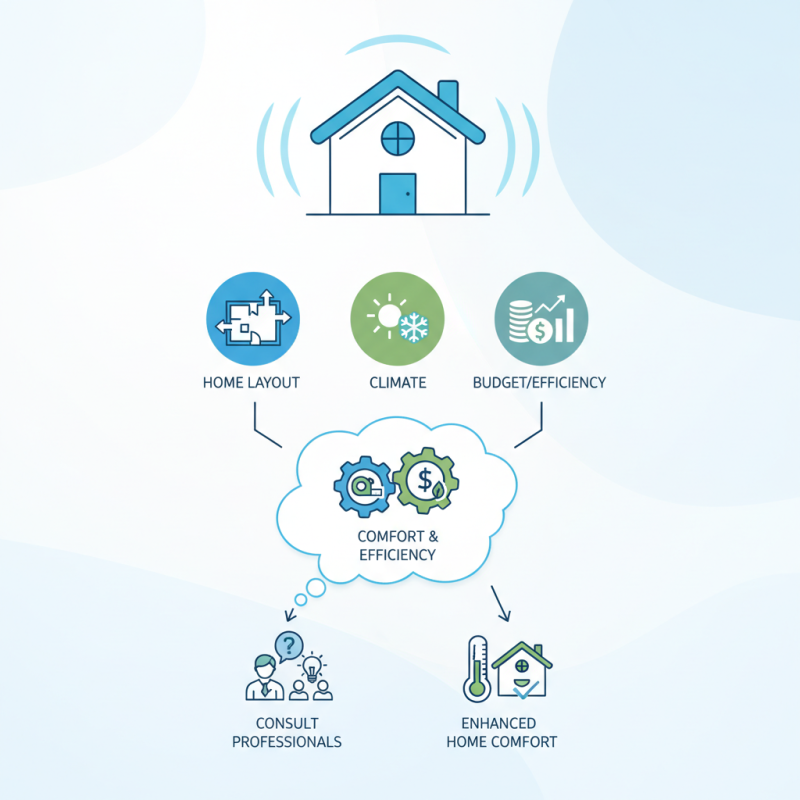
The home's layout, climate, and budget should inform your choice. For instance, larger spaces may require a more powerful unit. Efficiency ratings impact long-term costs, which can cause stress. A poorly chosen system may lead to higher bills or inadequate cooling. It's important to think about these aspects clearly.

Consider consulting with professionals before making a decision. Their insights can simplify your options. Gathering multiple opinions may prevent common mistakes. Ultimately, the right air conditioning installation can greatly enhance comfort in your home. Taking a little extra time can save frustration later on.
How to Choose the Right Air Conditioning Installation for Your Home?

Understanding Your Home's Cooling Needs

Understanding your home's cooling needs is essential for selecting the right air conditioning installation. Start by examining the square footage of your home. Larger spaces require more powerful units. Evaluate how many rooms need cooling. If you often use certain zones, consider a zoned system. This can save energy and improve comfort.

Next, think about your home's insulation. A well-insulated home retains cool air better. Check for drafts around windows and doors. Poor insulation can lead to higher energy bills. Additionally, assess the number of occupants in your home. More people generate more heat, affecting your cooling needs.

Consider the sun exposure in your home as well. Rooms that receive direct sunlight can get hotter. You may need a stronger air conditioning unit in those areas. Reflect on your family's lifestyle. Do you entertain often? Do you prefer a cooler environment? These factors will shape your choices. Balancing comfort, efficiency, and budget is key.
Air Conditioning Unit Efficiency Ratings vs. Room Size

This bar chart illustrates the seasonal energy efficiency ratio (SEER) ratings for different room sizes. The higher the SEER rating, the more efficient the air conditioning unit, allowing you to choose the appropriate system that meets your cooling needs based on the size of your space.

Types of Air Conditioning Systems Available

When selecting an air conditioning installation, understanding available systems is vital. The main types include central AC, ductless mini-split systems, window units, and portable air conditioners. According to a report by the U.S. Department of Energy, central AC systems are the most common choice, cooling entire homes efficiently. However, they require ductwork, which can be costly to install if not already present.

Ductless mini-split systems offer flexibility. They can cool individual rooms, making them great for homes without ducts. A study showed that these systems can save homeowners up to 30% on energy bills. Still, installation costs may be higher than window units. Window units are typically low-cost but are less efficient and can be loud. Portable air conditioners are convenient for renters, yet they often struggle with effective cooling and can be bulky.

Choosing the right system depends on factors like home layout, budget, and cooling needs. It’s crucial to assess your space carefully. Consider how often you will use the system. Energy efficiency ratings matter but require a deeper understanding. Many homeowners overlook additional costs, like maintenance and electricity usage, impacting long-term satisfaction.

Factors to Consider Before Installation

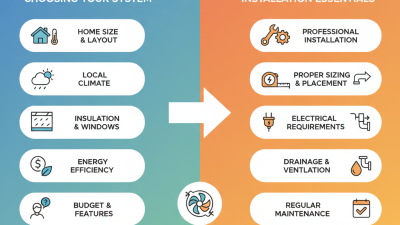
When selecting an air conditioning installation, several key factors affect your decision. The first is the size of your home. A unit that’s too small will struggle to cool effectively. Conversely, a unit that’s too large may cycle on and off frequently, creating inefficiency. The U.S. Department of Energy states that proper sizing can improve energy efficiency by 20-30%.

Next, assess your local climate. Areas with high humidity levels may require a dehumidifying feature. Look into the energy efficiency rating of potential installations. The Seasonal Energy Efficiency Ratio (SEER) helps compare efficiency. Units with higher SEER ratings can save homeowners significant amounts in electricity bills over time. Reports indicate that a high-efficiency system can reduce cooling energy use by up to 50%.

Lastly, consider installation costs and requirements. Professional installation may seem costly, but improper installation can lead to long-term issues, such as poor performance. Many homeowners overlook this, assuming they can save money upfront. However, without a proper installation, you might face higher repair costs later. Remember, investing in quality installation pays off over time.

Assessing Energy Efficiency Ratings

How to Choose the Right Air Conditioning Installation for Your Home?

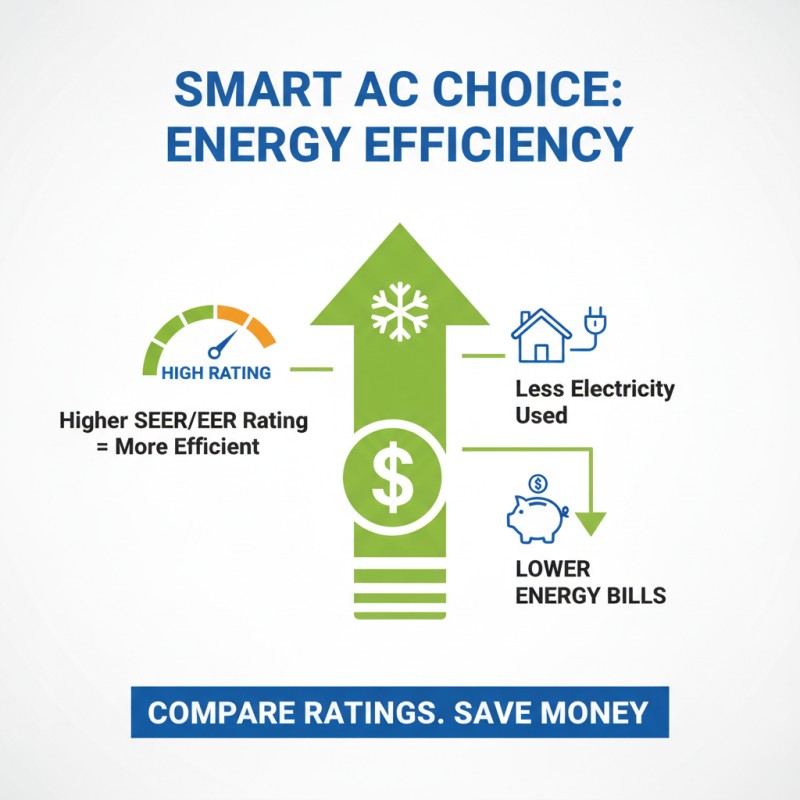
When choosing an air conditioning installation, energy efficiency ratings are crucial. These ratings help you understand how much electricity the unit consumes. A higher rating often means better efficiency. This could lead to lower energy bills. It’s essential to compare these ratings before making a decision.

Look for units with Energy Star ratings. They typically use less energy than standard models. However, don’t forget that having a high efficiency isn't the only thing that matters. You need to consider your home’s size, insulation, and climate. Sometimes, a small, efficient unit for a big space might not perform well. Also, local installation practices can affect efficiency.

Don’t hesitate to assess your own needs. Think about how often you use air conditioning. If it’s for occasional use, a high-efficiency model may not be necessary. Meanwhile, families with high usage should prioritize energy-efficient systems. It’s all about finding balance. Assessing energy needs can be tricky. Being informed will lead to better choices, but sometimes you might still feel uncertain.

Hiring Professional Installation Services

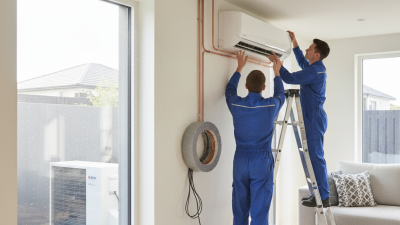
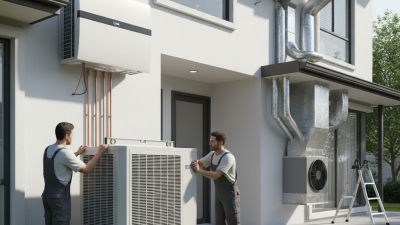
When it comes to air conditioning installation, hiring professional services is crucial. They bring expertise and experience that can greatly influence the efficiency of your system. A poorly installed unit may lead to higher energy bills. It can also cause more frequent repairs. Professional installation helps to avoid these pitfalls.

Tips for choosing the right service: Look for companies with good reviews. Ask friends or family for recommendations. A reliable service will offer a detailed quote and assessment. Ensure they are licensed and insured. This protects you from potential mishaps during installation. Don’t shy away from asking questions about their process. Clear communication is key.

Mistakes happen, even with professionals. Installation errors can lead to airflow issues. These problems might not be immediately visible, but they can affect comfort. Paying attention to the details can save you from future headaches. Consider a follow-up check after installation to ensure everything runs smoothly.

How to Choose the Right Air Conditioning Installation for Your Home?

Feature Description Importance
Type of System Central AC, Ductless Mini-Split, Window Units Essential for Efficiency
Size of Unit Capacity measured in BTUs Crucial for Comfort
Energy Efficiency Rating Look for SEER ratings Cost-Saving in the Long Run
Installation Qualifications Check certifications and experience Ensures Proper Installation
Warranty and Support Length and coverage of warranty Peace of Mind