How to Choose the Right Air Conditioning System for Your Home?

Choosing the right air conditioning system for your home can be challenging. Many options exist, and each has unique features. It's essential to consider your space, budget, and energy efficiency.

Air conditioning systems come in various types, such as central units, ductless mini-splits, and window units. Each type serves different needs. For example, central systems cool large areas, while window units are perfect for single rooms.

Think about how often you use your system. Some homeowners purchase energy-efficient models to save costs. However, these systems often require a higher upfront investment. Reflect on your climate as well. A system suitable for a warm area may not work well in a cooler region. Balancing comfort and cost is crucial for any home.
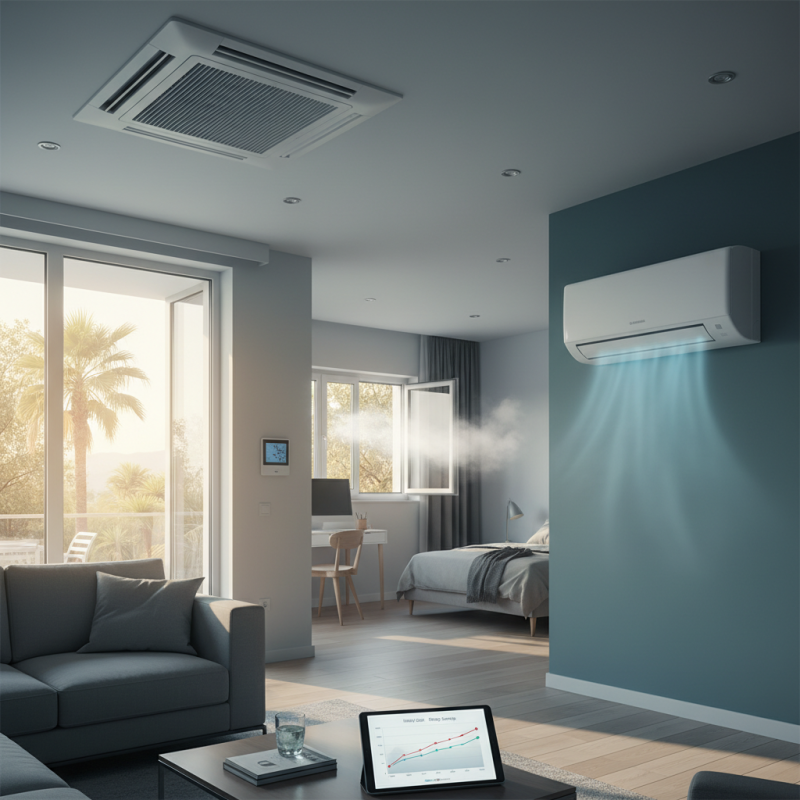
How to Choose the Right Air Conditioning System for Your Home?

Understanding Your Home's Climate and Air Conditioning Needs

Understanding your home's climate is key to selecting the right air conditioning system. Your location plays a significant role. In warmer regions, units with higher cooling capacities are necessary. If you live in a humid area, dehumidification features are essential. Take time to observe the weather patterns in your area. How hot does it get in summer? How cold does it drop in winter?

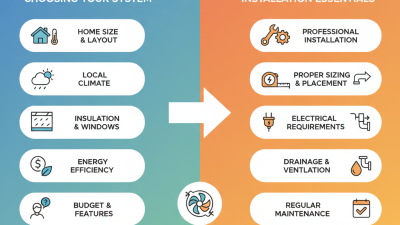
Next, consider your home's layout. Larger spaces may require multiple units or a central system. Smaller homes might only need a compact unit. You might find yourself in a situation where one size doesn't fit all. Insulation levels and window placements also affect your cooling needs. If your home has many south-facing windows, you may require a stronger system to combat solar heat gain.

Reflect on your lifestyle as well. Do you host gatherings often? Are pets in your home? These factors influence the cooling demand. Think about your budget, both upfront and ongoing. Some systems may seem pricey but have lower operational costs. Evaluate your options carefully. Making the right choice can lead to comfort and energy savings in the long run.
Evaluating Different Types of Air Conditioning Systems Available

When evaluating different types of air conditioning systems, it's essential to consider your home's unique needs. Central air conditioning provides even cooling throughout large spaces. However, installation can be expensive and complex.

Ductless systems offer flexibility. They are easy to install and allow for zone cooling but may not be suitable for larger homes.

Window units are a popular choice for smaller rooms. They are affordable and effective but can obstruct views and are less energy-efficient.

Portable air conditioners are convenient and can be moved, yet they often need more power and can be noisy. Each system has its pros and cons, and it’s important to weigh these carefully.

Consider factors like size, efficiency, and budget. You might find yourself drawn to an option that looks appealing but doesn’t meet your needs. Reflect on your comfort levels and the layout of your space. Take your time and don’t rush into a decision. A well-chosen system can greatly enhance your living environment.

Determining the Right Size and Capacity for Your AC Unit

How to Choose the Right Air Conditioning System for Your Home?

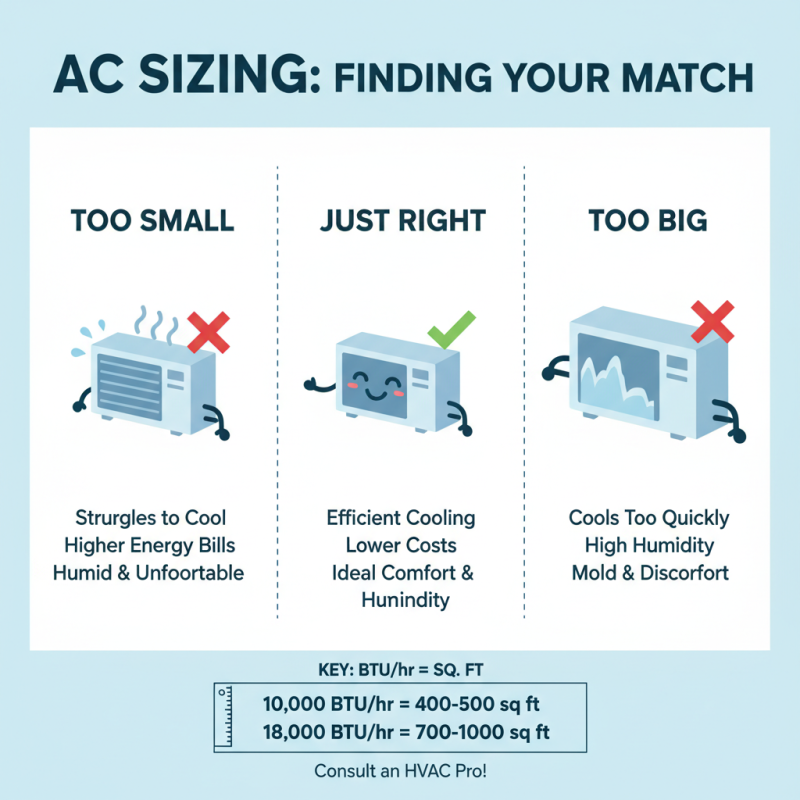
Choosing the right size and capacity for your air conditioning unit is crucial for optimal cooling. An undersized unit struggles to cool your space, leading to higher energy bills. A too-large unit can cool too quickly, causing humidity issues. Both scenarios are costly and uncomfortable.

To determine the right size, measure your room. Calculate the square footage by multiplying length by width. For a better estimate, consider factors like ceiling height, sunlight exposure, and insulation quality. Don't forget to account for the number of occupants as well. Too many people can heat up a room quickly.

Consider seeking advice from professionals if you’re unsure. They can conduct a Manual J calculation. This assessment provides details about the heat load needed for your space. While DIY methods exist, they might overlook critical factors. Investing time and effort into sizing will pay off in comfort and efficiency. Make adjustments based on your lifestyle and preferences. Remember, perfect sizing may take trial and reflection.

Considering Energy Efficiency Ratings and Costs of Operation

How to Choose the Right Air Conditioning System for Your Home?

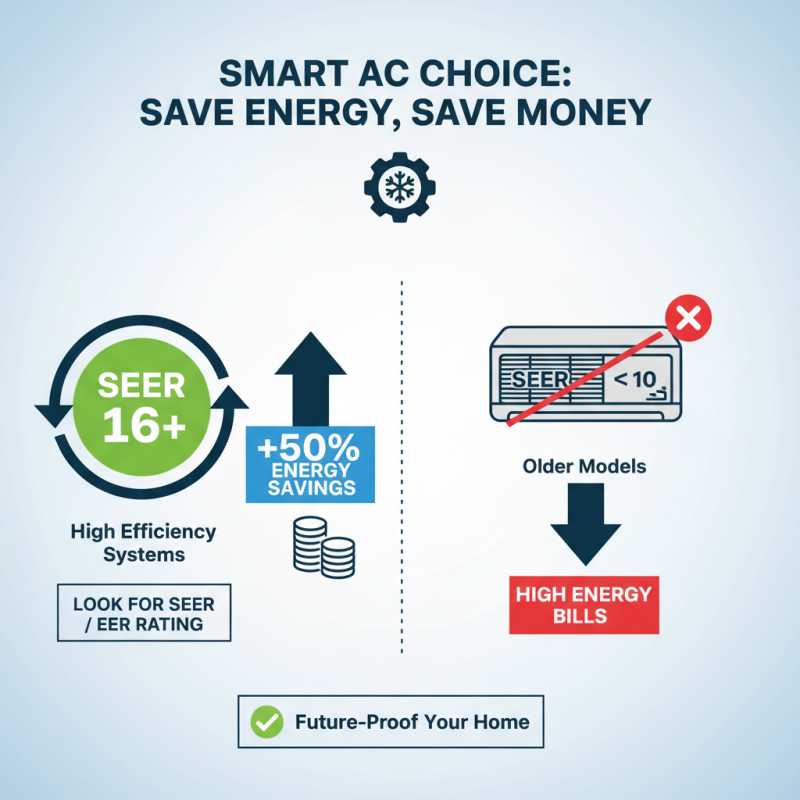
When selecting an air conditioning system, energy efficiency is crucial. Systems are rated using the Seasonal Energy Efficiency Ratio (SEER) or Energy Efficiency Ratio (EER). A higher rating indicates better efficiency. Current industry reports suggest that systems with a SEER rating of 16 or higher can save homeowners up to 50% on energy bills compared to older models.

Tip: Always check for ENERGY STAR certification. This designation ensures the system meets strict energy efficiency guidelines. While upfront costs might be higher, consider the long-term savings.

Operational costs can vary based on usage, local electricity rates, and system size. A well-sized unit can prevent excessive energy consumption. Oversized units may cool too quickly, leading to inefficiencies. This is often overlooked in the buying process.

Tip: Consult with HVAC professionals for accurate sizing. A thorough evaluation can save money and reduce operational headaches. Reflect on your home’s specific needs, as each situation is unique. Prioritize efficiency, but don't neglect comfort.

Assessing Installation and Maintenance Requirements for Longevity

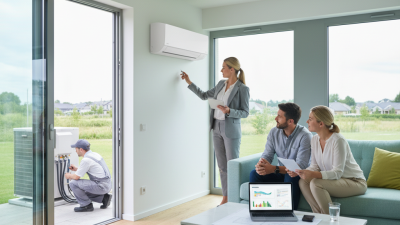
When choosing the right air conditioning system, focusing on installation and maintenance is crucial. Proper installation ensures efficiency and longevity. A professional can assess your home and recommend suitable options. An incorrect installation might lead to higher energy bills and reduced comfort. Check for ductwork, insulation, and electrical setup. These factors impact performance significantly.

Maintenance is another vital aspect. Regular checks and cleanings can prevent costly repairs. Dirty filters lead to poor air quality and increased energy use. Schedule annual inspections with qualified technicians. They can identify potential problems early. Don't neglect your system during off-seasons. Even when not in use, some tasks are necessary.

Consider your lifestyle as well. An efficient system should match your usage patterns. A busy family may require a different setup than a single occupant. Think about how often you will run the system. Balance your needs with longevity to avoid future issues. Rushing into a decision can result in regrets later on. Planning ahead is always better.

Air Conditioning System Comparison: Efficiency Ratings vs. Installation Costs