How to Choose the Right Hydraulic Pumps for Your Needs?
In the industrial sector, choosing the right Hydraulic Pumps is crucial for efficiency and productivity. According to a recent report by the International Fluid Power Society, the global hydraulic pump market is expected to reach $13.2 billion by 2026. This statistic highlights the growing reliance on hydraulic technology across various industries, including construction, manufacturing, and automotive.
Hydraulic pumps are essential components that convert mechanical energy into hydraulic energy. They power equipment ranging from excavators to assembly lines. Selecting the appropriate hydraulic pump can significantly impact system performance and operational costs. Industry experts emphasize the importance of understanding specific application requirements before making a choice. Missteps in selection can lead to inefficiencies or even equipment failure, which can be costly.
While many resources exist for guidance, not all pumps fit every need. Factors such as flow rate, pressure requirements, and compatibility with hydraulic fluids must be considered. Additionally, the complexity of hydraulic systems often means that extensive research and expert consultation are necessary. Thus, a thorough evaluation is vital to ensure reliability and long-term success in any hydraulic application.
Understanding Hydraulic Pumps: Types and Functions
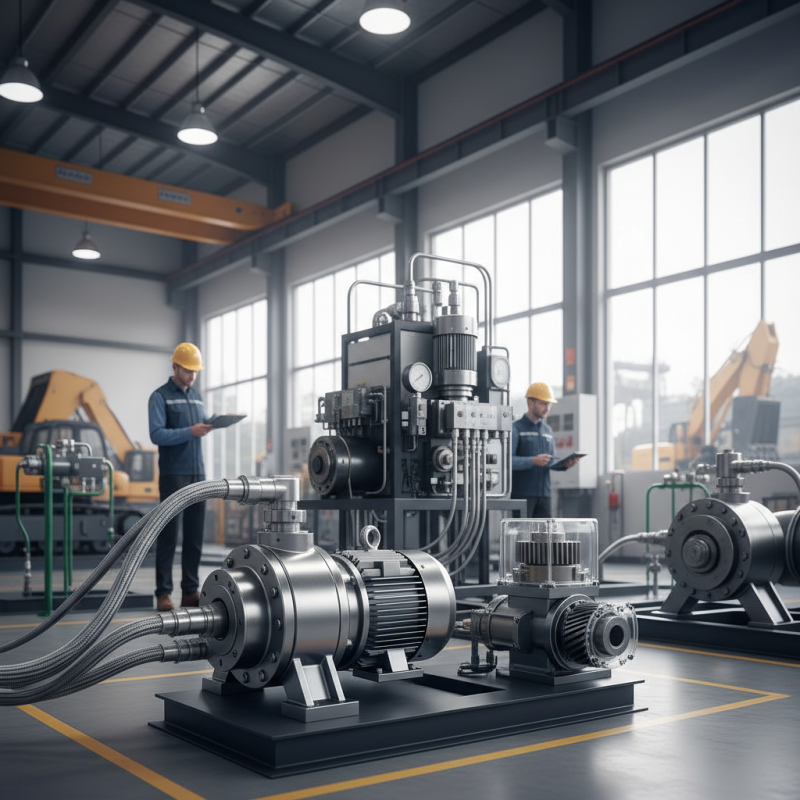
Hydraulic pumps are vital in various applications, providing the necessary force for machinery. Understanding their types and functions is crucial for making the right choice. The most common types include gear pumps, piston pumps, and vane pumps. Each type has distinct features suited for specific tasks.
Gear pumps are known for their simplicity and efficiency. They work well in low-pressure applications but may not handle high viscosity fluids efficiently. Piston pumps, on the other hand, excel in high-pressure environments. They can handle more demanding tasks, offering better flow rates but requiring higher maintenance. Vane pumps are versatile, suitable for moderate pressures, yet they may not be as durable over time.
It's essential to consider the specific needs of your project. Assessing factors such as flow rate, pressure, and fluid type will guide you in selecting the right pump. Reflecting on past experiences can also inform your decision, as each type has its pros and cons. Sometimes, it might take several trials to find the best fit. This process can feel overwhelming, but understanding hydraulic pump functions helps reduce uncertainty.
Hydraulic Pump Types and Their Applications
Key Factors to Consider Before Choosing Hydraulic Pumps
Choosing the right hydraulic pump involves careful consideration of several key factors. The first factor to evaluate is your specific application needs. What kind of machinery will the pump operate? Different applications demand varying flow rates and pressures. A construction site might require robust pumps for heavy equipment, while agricultural uses may call for smaller units. Identifying these needs clarifies your options.
Next, consider the environment where the pump will be used. Is it indoors or outdoors? Will it face extreme temperatures or exposure to chemicals? The material and design must withstand these conditions. Pumps used in harsh environments may require additional features, like corrosion resistance.
Another aspect to think about is power sources. Hydraulic pumps can be driven by electric motors, gasoline engines, or other means. Your choice affects not only performance but also maintenance requirements. Improper selection can lead to inefficiency or frequent failures, prompting reflection on your decision-making process. Evaluate these factors carefully to make a more informed choice.
Evaluating Performance Specifications for Your Hydraulic Needs
When selecting a hydraulic pump, the performance specifications are crucial. These specifications determine how well the pump meets your operational needs. Key factors include flow rate, pressure rating, and efficiency. According to industry reports, optimal flow rates can range from 1 to 1000 liters per minute, depending on the application. Understanding these metrics helps ensure the pump will perform effectively in your system.
Tips: Always assess the maximum and minimum pressure ratings. A pump should handle both extremes efficiently. For many applications, a pressure range of around 1000 to 4000 psi is standard.
Consider the efficiency rating as well. Pumps with higher efficiency consume less power and reduce operating costs. Some studies suggest that even small efficiency gains could save businesses thousands each year. However, remember that achieving high efficiency might come at a higher initial cost. Balancing upfront investment with long-term savings is essential.
It’s also vital to reflect on how the pump will integrate with existing systems. Compatibility issues can arise with different technologies. A thorough review of system requirements is needed to avoid costly setbacks later. Always ensure your selection aligns with both current and future operational goals.
Compatibility and Sizing: Matching Pumps to Your System
Choosing the right hydraulic pump involves careful consideration of system compatibility and sizing. Correct sizing ensures pumps operate efficiently. According to industry reports, improper sizing can lead to a 10% increase in energy costs. It can also shorten the pump's lifespan by up to 30%. This inefficiency can increase maintenance demands.
To select the right pump, start with your system’s requirements. Calculate the flow rate and pressure needed for your specific applications. The National Fluid Power Association suggests understanding both peak and average usage scenarios. Analyzing these factors helps prevent oversizing or undersizing. Oversized pumps can lead to increased turbulence, while undersized pumps may struggle to meet demand.
It's crucial to consider the fluid characteristics as well. Temperature, viscosity, and potential contaminants all influence compatibility. According to a study by the Hydraulic Institute, compatibility mismatches can cause a 15% reduction in performance. Regular assessments of pump performance can also highlight areas for adjustment over time. Being aware of well-documented pump failures enhances your selection process. These insights drive better decision-making and lead to enhanced system reliability.
How to Choose the Right Hydraulic Pumps for Your Needs?
| Pump Type | Flow Rate (GPM) | Pressure Rating (PSI) | Motor Power (HP) | Applications |
| Gear Pump | 1-50 | 1000 | 1-5 | Material Handling, Machine Tools |
| Piston Pump | 0.5-100 | 3000 | 5-25 | Heavy Machinery, Construction |
| Vane Pump | 2-40 | 1500 | 2-10 | Automotive, Agriculture |
| Centrifugal Pump | 5-100 | 500 | 3-15 | Water Supply, Irrigation |
| Electric Pump | 1-80 | 2500 | 1-10 | Industrial, Commercial |
Maintenance and Support: Ensuring Longevity of Hydraulic Pumps
Maintaining hydraulic pumps is crucial for their longevity. Regular inspections can reveal wear and tear. Look for leaks or unusual noises. These signs hint at underlying issues. Ignoring them can lead to costly repairs later.
Proper lubrication is essential. Ensure that all moving parts are adequately greased. This reduces friction and wear. Scheduled oil changes extend pump life. It's easy to overlook, but this step is vital.
Training staff on pump operation is often neglected. Proper usage prevents damage. Consider providing detailed manuals or workshops. Encourage a culture of maintenance awareness. Simple errors can shorten pump life drastically. Attention to detail can make a significant difference.