Choosing the right air conditioning cover can be daunting. With numerous options available, how do you decide? According to HVAC expert John Smith, “Selecting the best air conditioning cover is crucial for protecting your system from the elements.” His expertise sheds light on why this choice matters.
An effective air conditioning cover safeguards your unit against harsh weather. Rain, snow, and debris can cause significant damage if left unprotected. Many homeowners struggle with understanding the specific needs of their cooling systems. This often leads to poor choices or inaction. A good cover can extend the life of your air conditioner and improve efficiency.
Consider your environment when selecting an air conditioning cover. The material, fit, and design should align with your climate. Pay attention to details; not all covers fit every model. Being mindful of these factors requires some research, but it is pivotal for long-term savings and performance. While it may feel overwhelming, choosing wisely can have lasting benefits.
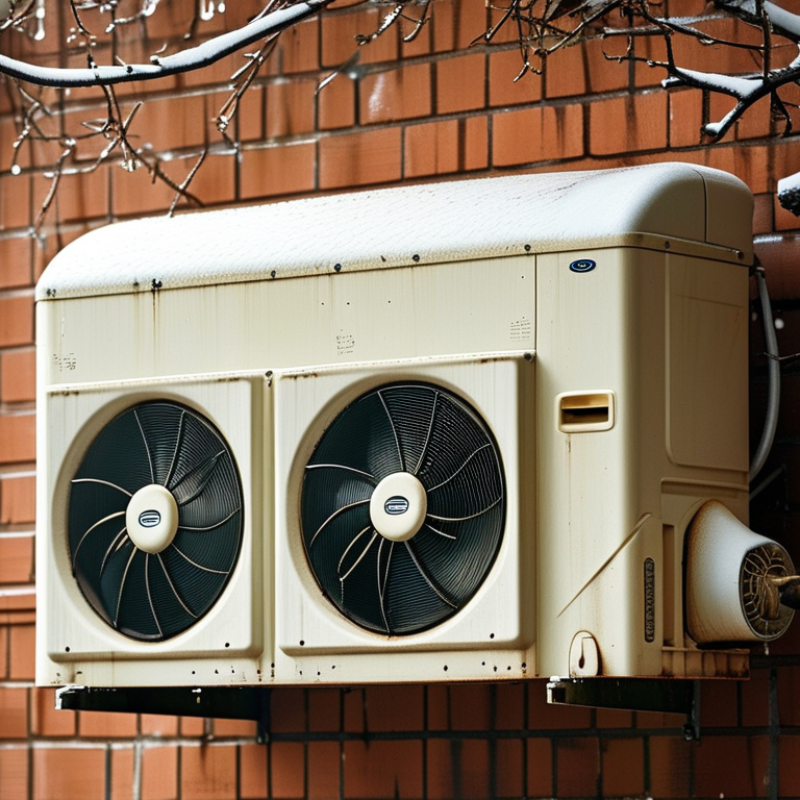
Air conditioning covers play a crucial role in maintaining system efficiency. According to the U.S. Department of Energy, properly covered units can save up to 30% on energy costs during the off-season. This statistic highlights the importance of protecting your air conditioning unit from harsh weather and debris.
The cover acts as a barrier against snow, ice, and rain, which can lead to rust and other damage. A study by the Air Conditioning Contractors of America emphasizes that using high-quality covers can extend the lifespan of your system by an average of five years. Undoubtedly, investing in a cover pays off in the long run.
Improper cover usage can lead to trapped moisture, promoting mold growth. Homeowners sometimes overlook the necessity of proper ventilation. Additionally, many covers are not designed for specific climates, which may compromise their effectiveness. Always choose a cover that meets your geographic needs. Understand both the benefits and potential drawbacks of covers to make an informed decision.
When selecting an air conditioning cover, understanding the types available is crucial. You typically find covers made from durable materials such as polyethylene, vinyl, and canvas. Each material offers varying levels of protection against weather elements. Vinyl covers are excellent for water resistance but may suffer from heat damage over time. Canvas options feel sturdy and are breathable, preventing moisture buildup. However, they can be heavier to handle.
Another vital consideration is the design of the cover. Some models are fitted or elasticized, ensuring a snug fit. Loose-fitting covers might look easy to use, but wind can easily dislodge them. Additionally, many covers feature vents for airflow, a useful feature to prevent moisture accumulation. On the downside, some vented covers may still allow debris inside.
In terms of insulation properties, certain covers provide additional thermal benefits. They help moderate temperature changes, which can be beneficial in extreme climates. However, choosing a cover that is not adequately insulated can lead to unexpected energy costs. Always check product specifications to ensure you get reliable options tailored to your climate's demands.
| Cover Type | Material | Weather Resistance | Size Compatibility | Price Range |
|---|---|---|---|---|
| Standard Cover | Polyester | Water Resistant | Most Standard Units | $20 - $50 |
| Heavy-Duty Cover | Vinyl | Weather Resistant | Large Units | $50 - $100 |
| Insulated Cover | Foam | Wind Resistant | Small to Medium Units | $30 - $70 |
| Custom Fit Cover | Breathable Fabric | Water & UV Resistant | Specific Models | $60 - $150 |
| Portable Cover | Nylon | Water Resistant | Various Sizes | $15 - $40 |
When selecting an air conditioning cover, several factors come into play. The size of your unit matters significantly.
A cover that is too tight can cause damage, while one that is too loose may allow debris in. Measure your AC unit accurately.
This step ensures you avoid common mistakes.
Material quality is another crucial aspect. Your cover should resist weather elements. Look for covers that provide insulation.
Fabrics that can withstand UV rays and heavy rain are significant. However, remember that some materials might not breathe well.
This can lead to moisture buildup and mold. Be cautious and weigh your options.
Ease of installation also deserves attention. Some covers come with complex setups, while others are user-friendly. Consider the time and effort required to put them on.
A simple cover may save you debates in the future. Reflect on how often you might change it, as well.
Choosing wisely can prevent future regret.
Measuring your air conditioning unit accurately is crucial for selecting the right cover. According to industry reports, a well-fitted cover can significantly extend your system's lifespan by protecting it from harsh environmental elements. An ill-fitting cover may trap moisture and lead to mold growth, which is detrimental to your unit’s efficiency.
Start by measuring the width, depth, and height of your AC unit. Use a tape measure and write down the dimensions. This information allows you to find a cover that fits snugly. Remember, a cover that's too tight can cause damage, while a loose one may not provide adequate protection. Experts recommend accounting for a few extra inches to ensure proper air circulation.
Tip: Always consider the climate in your area. For extreme weather conditions, invest in heavier-duty covers. Additionally, look for breathable fabric to prevent moisture accumulation. These details can make a significant difference in the maintenance of your system. Be mindful, though, that not all materials are created equal; reflect on the durability of your selected cover before making a decision.
This chart displays the recommended cover sizes for various air conditioning units based on their BTU ratings. The data highlights how the cover size increases with the capacity of the AC unit, ensuring optimal protection and fit.
Regular maintenance of your air conditioning cover is essential for optimal performance. Dirt and debris can accumulate, reducing its efficiency. Clean the cover regularly with a mild soap solution. Use a soft cloth to wipe off any stains. This simple step enhances airflow during operation. Ensure you remove any leaves or twigs that may have gathered around the unit.
Inspect your air conditioning cover for wear and tear. Cracks or holes can compromise its protective quality. Over time, exposure to weather elements can cause damage. If you notice deterioration, consider replacing it. A well-maintained cover extends the lifespan of your air conditioning system.
Store your cover in a dry place during the off-season. This practice prevents mold and mildew growth. Always check it for signs of damage before reusing. Regular evaluations will help you stay on top of maintenance needs. A little attention now can save you bigger issues later on.