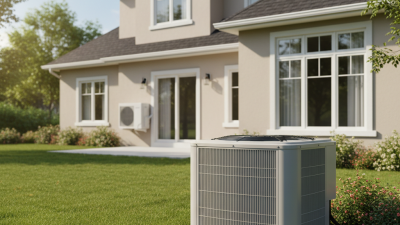
Choosing the right home air conditioning system is essential for comfort. The right choice can enhance your indoor environment during hot months. But, with so many options available, it can be overwhelming.
Consider your home's size and layout. Different systems suit different spaces. Do you need a central unit or a ductless mini-split? Each option has unique benefits and drawbacks, making it hard to decide. It’s important to reflect on your home's specific needs.
Energy efficiency is another key factor. Many models boast high ratings, but their costs vary widely. You might save now, but what about in the long run? Think about installation and maintenance too. Choosing the best home air conditioning system requires careful consideration. You want to avoid costly mistakes.
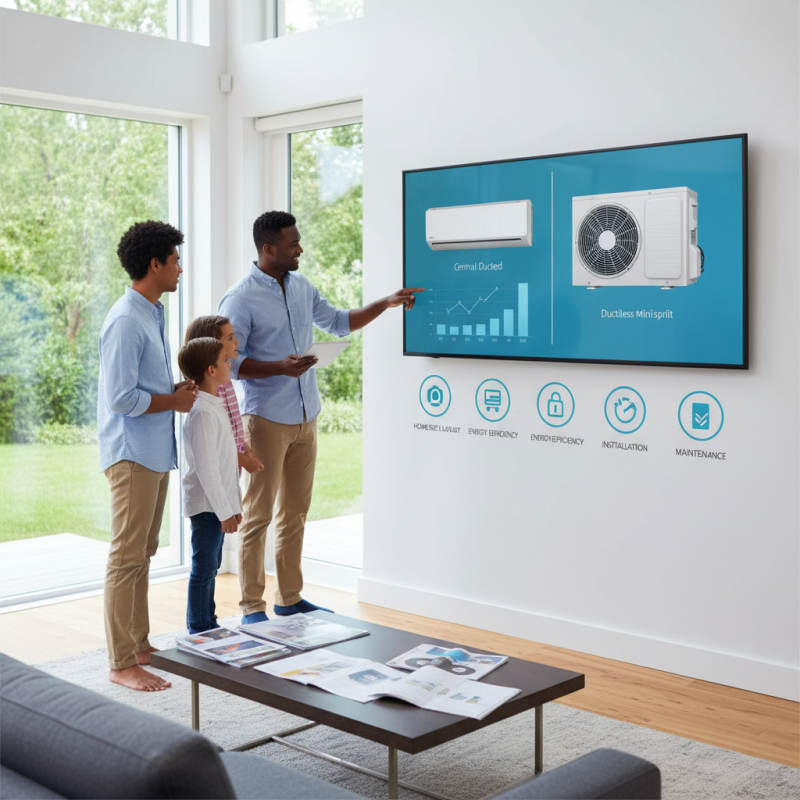
Choosing the right air conditioning system can feel overwhelming. There are several factors to consider that will impact your comfort and budget. One important aspect is the size of the unit. An oversized system can lead to inefficient cooling and higher energy bills. On the other hand, a unit that is too small may struggle to cool your space effectively. Measure your rooms carefully to determine the right capacity.
Energy efficiency is another crucial factor. Look for systems with high SEER ratings. These ratings indicate how efficiently the unit operates. A more efficient system may cost more initially, but it often saves money long-term. Checking energy consumption can help you make a wise choice. Installation costs can vary too, so get multiple quotes.
Don’t forget about maintenance. Some systems need regular servicing to operate effectively. The frequency of repairs can add to ongoing costs. Think about the long-term commitment of caring for the unit. Sometimes, simplicity is better than complexity. Choose a system that matches your lifestyle and maintenance preferences. Reflect on what features matter most to you.
Choosing the right air conditioning system for your home can feel overwhelming. There are several types to consider. Central air conditioning is popular in larger homes. It cools the entire space efficiently. According to the Department of Energy, a well-maintained system can reduce energy consumption by 30-50%.
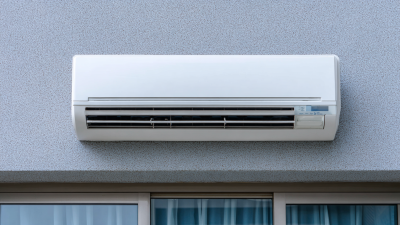
Ductless mini-split systems are another option. They work well for homes without ductwork. These systems are easy to install. They can save energy, but their initial cost is higher. Many homeowners overlook regular maintenance, which can lead to inefficiencies. An annual checkup can significantly extend a system's lifespan.
Window units are affordable and great for smaller spaces. They occupy less space and require minimal installation. However, they often lack the cooling capacity needed for larger areas. A common mistake is undersizing the unit. This can result in discomfort and higher energy bills. Choosing the right system requires careful consideration of your home's specific needs.
Choosing the right air conditioning system can be daunting. Energy efficiency ratings are crucial. These ratings indicate how effectively a unit converts electricity into cooling. Typically, you’ll encounter SEER, EER, and CEER ratings. Higher numbers usually mean better efficiency and lower energy costs.
When selecting an air conditioner, understand the energy ratings. A unit with a high SEER rating may save you money over time. However, these systems may cost more upfront. You might find a balance between efficiency and your budget. Sometimes, you have to make tough choices.
Tips: Research local climate. It affects how hard your AC will work. Consider insulation levels in your home. Poor insulation can diminish the benefits of an efficient AC. Be wary of energy claims that seem too good to be true. They might lead you to regret your choice. Always question the numbers presented.
When considering an air conditioning unit, installation requirements are crucial. You need to assess space for clear airflow. Ideally, units should be placed away from direct sunlight to improve efficiency. Poor placement can lead to increased energy costs. You might think it’s easy, but measurement precision matters. The wrong size could mean discomfort or excessive utility bills.
Maintenance plays a key role in system longevity. Regular filter changes keep air clean and efficient. Neglecting this can cause reduced airflow and increased energy consumption. It’s not just about filters; checking refrigerant levels is essential. Low refrigerant can damage the compressor. Many homeowners overlook this simple task. Keeping a maintenance schedule is beneficial yet often ignored.
Lastly, don’t underestimate the value of professional help. While DIY options can seem appealing, expertise is invaluable. An improperly installed unit can lead to frequent breakdowns. It may seem wasteful to pay for help, but in the long run, it saves money and stress. Balancing costs with proper care may require some thought and reevaluation.
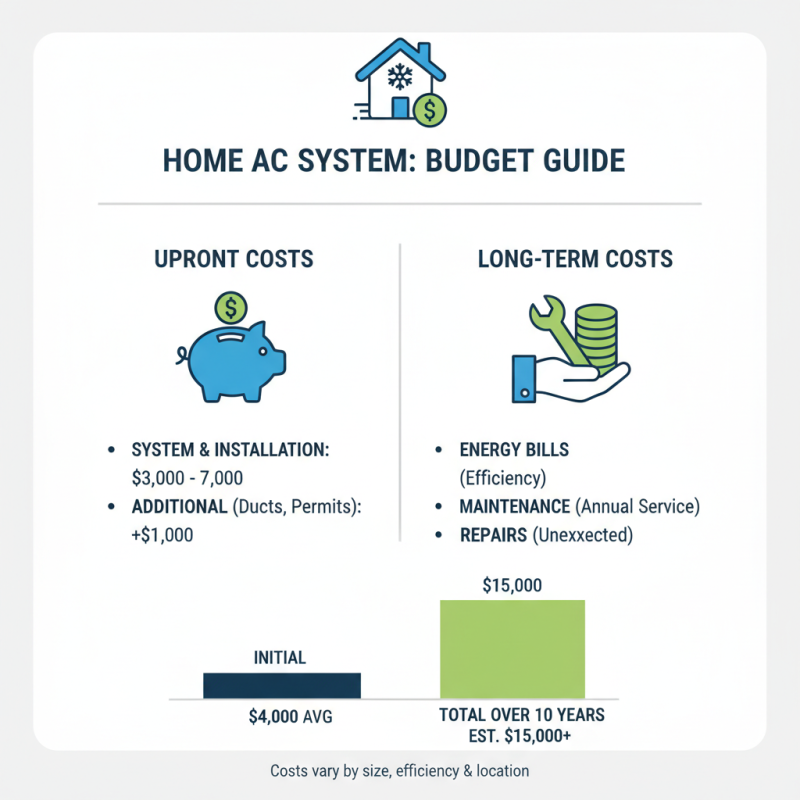
When budgeting for a home air conditioning system, it’s crucial to consider both upfront and long-term costs. The initial purchase and installation can range widely. According to recent industry reports, the average cost of a new central air conditioning system can be between $3,000 and $7,000. This price varies depending on system size, efficiency, and installation complexity. Don’t forget to account for additional costs like ductwork and permits, which may add $1,000 or more.
Energy efficiency plays a significant role in overall expenses. Systems with higher Seasonal Energy Efficiency Ratio (SEER) ratings may cost more upfront, yet they can significantly reduce utility bills over time. The U.S. Department of Energy indicates that upgrading to a system with a SEER rating of 16 or higher can lead to savings of up to 50% on cooling costs compared to older systems. However, it's essential to evaluate whether these savings justify the initial expense. Sometimes, those larger investments may not make sense for every household, especially in cooler climates where air conditioning isn't used frequently.
Maintenance and repair costs should also be considered. Regular maintenance helps in preventing costly repairs that could arise from neglected systems. Annual servicing can range from $75 to $150. Yet, many homeowners often forget this step, leading to increased costs when breakdowns occur. Weighing these factors against your budget will lead to a more informed decision.