Essential Tips for Maintaining Residential Air Quality?

Maintaining good residential air quality is essential for health and well-being. According to the Environmental Protection Agency, indoor air can be two to five times more polluted than outdoor air. It's alarming, yet many homeowners overlook this critical aspect of their living environment.

Common sources of indoor air pollution include smoke, mold, and volatile organic compounds. These pollutants can lead to respiratory problems and other health issues. In fact, approximately 50% of illnesses are either caused or aggravated by poor indoor air quality. Residents often underestimate the impact of these pollutants on their daily lives.

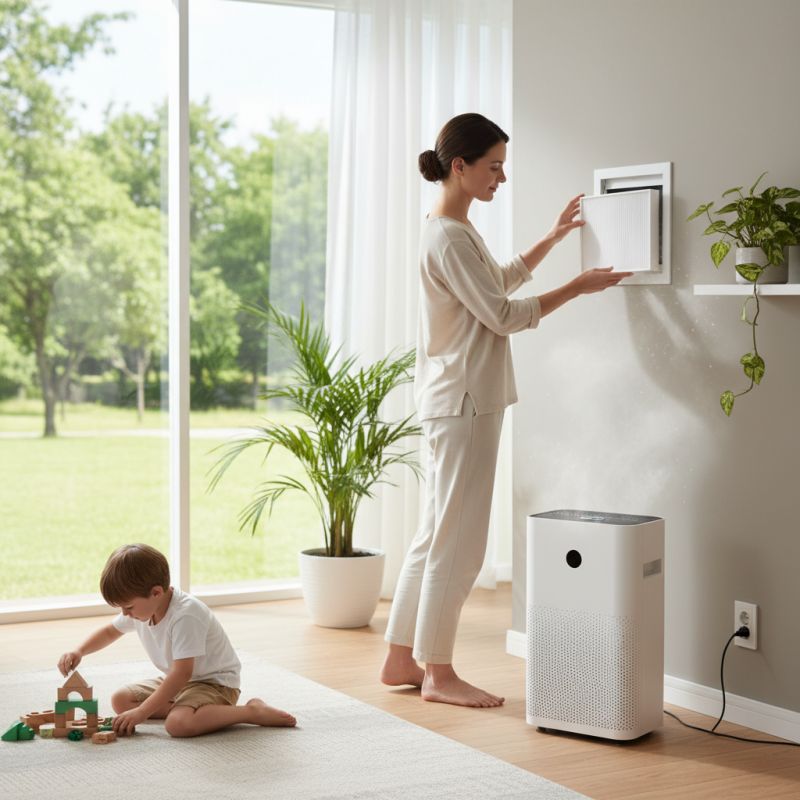
Addressing residential air quality requires proactive measures. Regularly changing air filters is one simple step that can make a difference. However, many forget about this task until it's too late. Air purifiers and proper ventilation are also vital. Ignoring these aspects could mean residents are unknowingly compromising their health. Effective strategies can transform indoor air quality, yet many find it challenging to prioritize these actions amidst their busy lives.
Essential Tips for Maintaining Residential Air Quality?

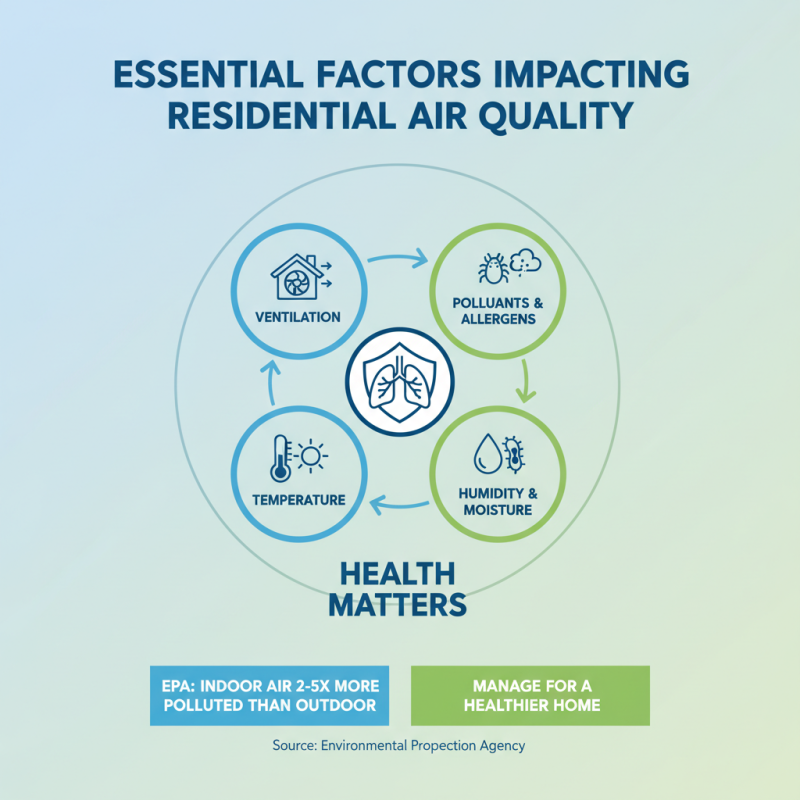
Essential Factors Impacting Residential Air Quality
Essential Tips for Maintaining Residential Air Quality?

Indoor air quality is crucial for health. Various factors can impact it significantly. According to the Environmental Protection Agency (EPA), indoor air can be two to five times more polluted than outdoor air. This makes understanding and managing residential air quality essential.

One significant aspect is the presence of airborne pollutants. Common sources include dust, mold, and volatile organic compounds (VOCs) from household products. The World Health Organization (WHO) states that poor indoor air quality can lead to respiratory issues and headaches. Addressing these pollutants is vital for a healthier home environment.

**Tip:** Regularly clean surfaces to reduce dust accumulation. Use air purifiers to filter out harmful particles.

Another factor is humidity levels. High humidity can encourage mold growth, while low humidity can lead to dry skin and respiratory discomfort. The ideal indoor humidity is between 30% and 50%.

**Tip:** Use a hygrometer to monitor moisture levels. Dehumidifiers can help manage excess humidity.

Consider ventilation as well. Many homes lack proper airflow, leading to stale air. Poor ventilation traps pollutants, exacerbating air quality issues.

**Tip:** Open windows when weather permits. Use exhaust fans in bathrooms and kitchens to ensure fresh air circulation.

Maintaining residential air quality requires proactive measures. Monitor various factors and take small steps for improvement.
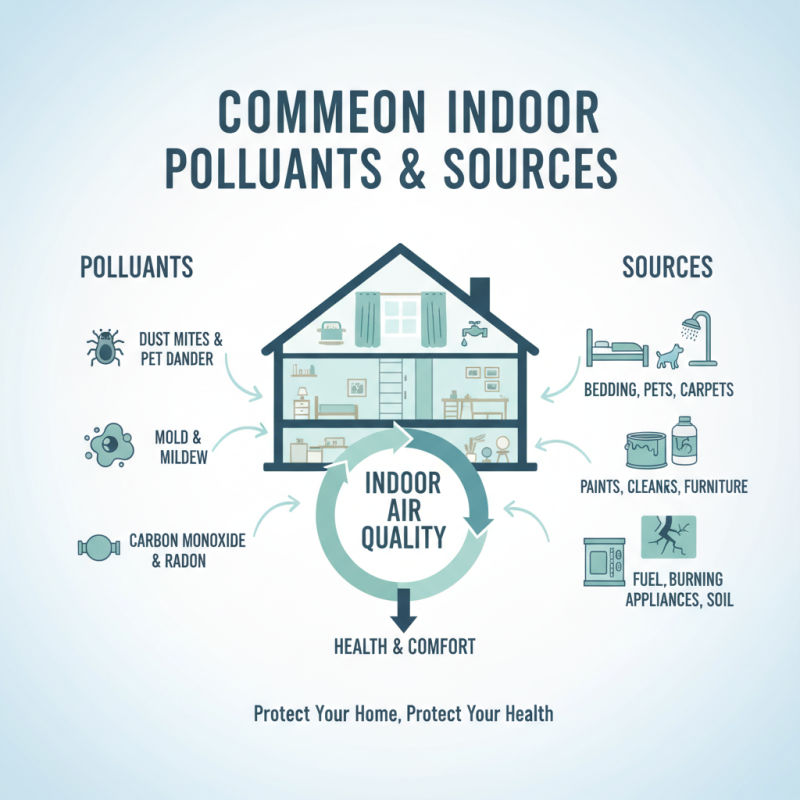
Common Indoor Pollutants and Their Sources

Essential Tips for Maintaining Residential Air Quality?

Indoor air quality is often compromised by common pollutants. These can stem from various sources, affecting our health and comfort.

One prevalent indoor pollutant is volatile organic compounds (VOCs). Sources include paint, cleaning agents, and furniture. According to the Environmental Protection Agency (EPA), VOC levels can be two to five times higher indoors than outdoors. Another significant contributor is particulate matter, often from cooking or burning wood. Studies show that reducing exposure to these pollutants can improve well-being.

There are some essential tips to improve air quality. Ventilate your space regularly. Open windows to let fresh air in. Use exhaust fans when cooking or showering. Incorporate indoor plants, as they can help filter pollutants. Lastly, consider using high-efficiency particulate air (HEPA) filters in your HVAC systems.

Keeping an eye on indoor pollution levels is crucial. Awareness of sources can aid in reducing contaminants. Regularly check for mold or dust accumulation. Remember that even small changes can yield significant benefits. We often overlook these details in daily routines, but they matter for a healthier indoor environment.

Importance of Ventilation in Maintaining Air Quality

Ventilation plays a critical role in maintaining air quality in residential spaces. According to a study by the Environmental Protection Agency (EPA), indoor air can be two to five times more polluted than outdoor air. Effective ventilation helps reduce concentrations of indoor pollutants and brings in fresh air. Simple practices can enhance ventilation. Opening windows, for example, can significantly improve air circulation.

However, many homes are designed to be airtight for energy efficiency. This can create a problem: stale air gets trapped indoors. A report from the World Health Organization (WHO) suggests that poor ventilation can increase respiratory issues over time. Residents might experience headaches, fatigue, or worse. It is important to find a balance. Occasionally, checking and managing humidity levels can also aid in improving air quality.

Not all homes have mechanical ventilation systems. This gap can lead to frustration for homeowners trying to maintain healthy air. An increase in moisture levels can promote mold growth, which can be stored in ventilation ducts. Regular maintenance of these systems is essential but often overlooked. Many individuals forget that even small improvements in airflow can make significant strides in creating a healthier indoor environment. So, it’s essential to assess your home's ventilation consistently.

Essential Tips for Maintaining Residential Air Quality

This chart illustrates the impact of various factors on residential air quality, particularly emphasizing the importance of ventilation. The data reflects the percentage contribution of these factors to overall air quality improvement.

Effective Air Filtration Systems and Their Classifications

Effective air filtration systems play a crucial role in maintaining indoor air quality. There are various types available, each designed for specific needs. HEPA filters are popular for their ability to capture small particles. They work well in homes with allergies or asthma sufferers.

Activated carbon filters are excellent for removing odors and volatile organic compounds. Their effectiveness can vary. Some might not capture all pollutants. UV air purifiers offer a different approach by targeting bacteria and viruses. However, they may not address dust or allergens effectively.

Understanding these classifications is essential for choosing the right system. A mismatch could lead to poor air quality. Regular maintenance is also key. Filters need replacing, and systems require cleaning. Ignoring these tasks can worsen air quality over time.

Regular Maintenance Practices for HVAC Systems and Air Quality

Maintaining your HVAC system is crucial for ensuring indoor air quality. Regular filter changes are essential. Dirty filters restrict airflow, making your system work harder. This can lead to higher energy bills. Aim to change filters every 1-3 months, depending on usage. Take a moment to check the filters monthly. If they look clogged, replace them sooner.


Additionally, scheduling annual professional maintenance can help. Technicians can identify issues that might escape your notice. They can clean components that accumulate dust and debris. This not only improves efficiency but also prolongs the lifespan of your HVAC system. Consider keeping a maintenance log. It can help track when services were last done and when the next is due.


Don't overlook the importance of humidity control. High humidity can foster mold growth, which affects air quality. Investing in a dehumidifier may be beneficial, especially in damp areas of your home. Sometimes, small daily actions can lead to significant improvements, but they also require consistent effort and attention.