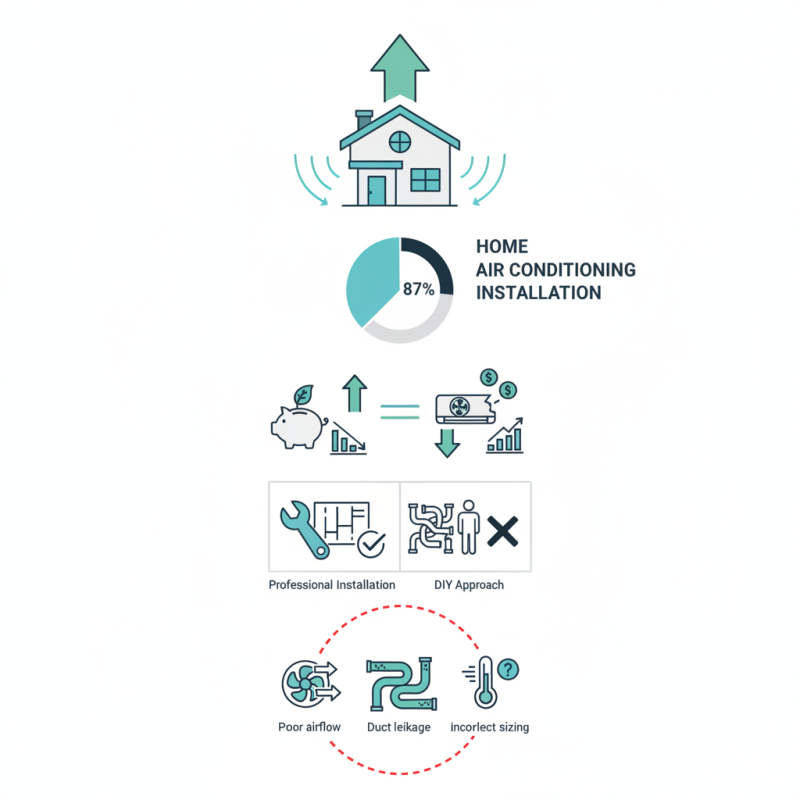
Home air conditioning installation is a crucial aspect of achieving comfort in residential spaces. According to the U.S. Department of Energy, nearly 87% of American homes have air conditioning systems. Proper installation can optimize energy efficiency and reduce utility bills. However, many homeowners overlook the importance of professional installation.
John Smith, a leading expert in HVAC systems, states, "A well-installed air conditioning unit is not just about comfort; it's about energy savings." His insights emphasize that improper installation can lead to significant energy loss. Issues like poor airflow, duct leakage, and incorrect sizing are common pitfalls. These factors can increase energy consumption by up to 30%.
Despite the advancements in technology, many still opt for DIY approaches. This often leads to greater expenses in the long run. The process requires not just technical knowledge but also an understanding of local regulations and environmental standards. Investing in professional home air conditioning installation ensures you avoid these challenges. It ultimately contributes to a more sustainable and efficient home environment.
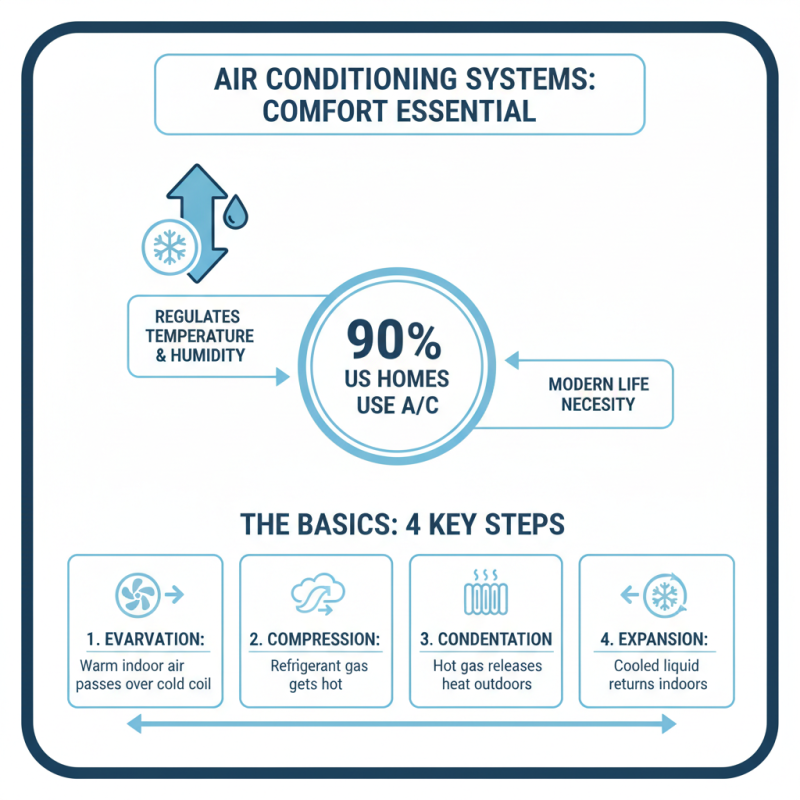
Air conditioning systems are vital for comfortable living. They regulate temperature and humidity effectively. Over 90% of U.S. homes use some form of air conditioning. This statistic points to its importance in modern life. But how do these systems operate?
Most residential air conditioning systems work by using a refrigerant cycle. This cycle absorbs heat from indoors and releases it outside. The evaporator coil inside the home cools the air. Meanwhile, the compressor, located outside, is a crucial component. Studies indicate that a well-maintained system can improve efficiency by up to 30%. Yet, many homeowners neglect regular maintenance. This often leads to higher energy bills and reduced comfort.
Moreover, different types of systems exist. Central air conditioning serves multiple rooms, while window units focus on single rooms. Ductless systems have gained popularity for their flexibility. However, they can also be costly to install. Many people underestimate the complexities involved in proper installation. Poor installation can diminish efficiency, leading to regrets down the line. Understanding these systems is essential for wise choices and optimal comfort.
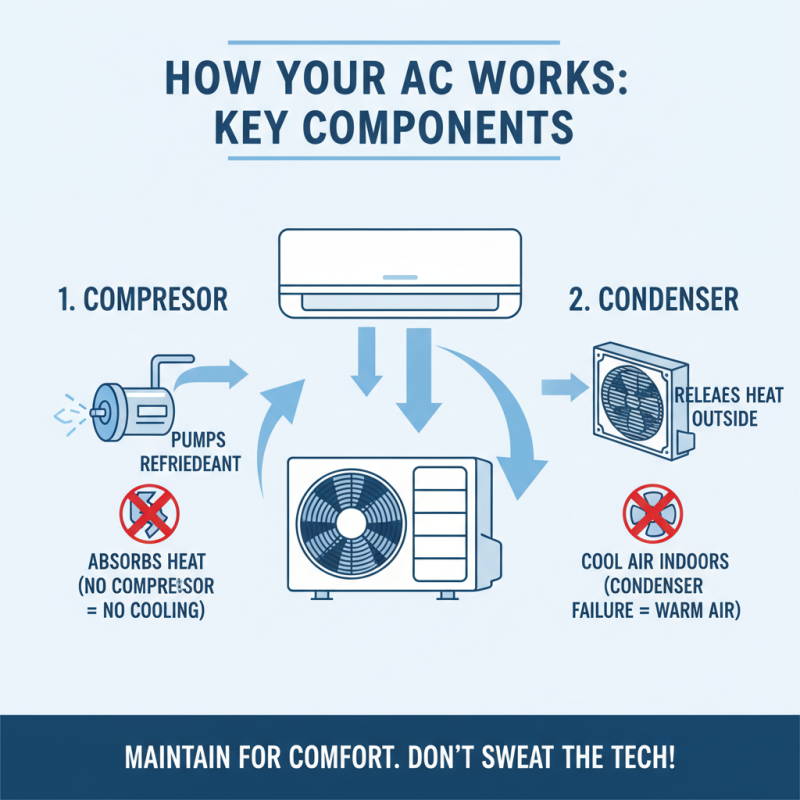
Air conditioning units are complex systems with several key components. The compressor plays a vital role. It pumps refrigerant through the system to absorb heat. Without it, the air conditioning unit can't function effectively. The condenser is another crucial part. This component releases heat outside, allowing cool air to flow indoors. If either of these parts fails, you’ll likely feel the impact.
Additionally, the evaporator coil is essential for cooling. It absorbs heat from the air, making your living space comfortable. A fan circulates air over the evaporator coil. This creates a steady flow of cool air. If the fan is malfunctioning, air circulation is compromised. Some homeowners overlook the importance of regular maintenance; clogged filters can restrict airflow, reducing efficiency.
Thermostats control the operation of the air conditioning unit. They sense the temperature and adjust accordingly. A malfunctioning thermostat can lead to inconsistent temperatures. Homeowners must ensure that these components are functioning well. Neglecting small issues can lead to bigger problems down the line.
Installing a home air conditioning system can be a challenging task. It requires careful planning and execution. The first step is to select the right type of unit. Consider the size of your home and the cooling needs. It’s vital to get a unit that fits well in your space. Too small won’t cool effectively. Too large can waste energy.
Next, prepare the installation site. Clear away any debris. Ensure there’s enough space for the condenser outside. You need to create a sturdy base for the unit. A level surface is critical for efficient operation. After that, it's time to set up the electrical connections. Have a licensed electrician handle this part for safety.
During installation, some might overlook insulation. Proper insulation keeps cool air inside. Without it, all your efforts are wasted. Check and seal any leaks in ductwork, too. Many people forget this crucial detail. Double-check all connections and settings before testing the unit. It’s common to face small issues, but don’t get discouraged. Each step is a learning experience.
This chart illustrates the typical costs associated with home air conditioning installation, including the cost of the unit, installation labor, electrical work, ductwork, and necessary permits. Understanding these costs can help homeowners plan their budget effectively.
Home air conditioning systems operate on principles of thermodynamics. They transfer heat from inside a building to the outside, cooling the air inside. The main components of these systems include the compressor, condenser, evaporator, and expansion valve. When refrigerant circulates through these parts, it absorbs heat and cools the indoor air.
The compressor pumps refrigerant, raising its pressure and temperature. This hot gas then moves to the condenser, where it releases heat to the outdoors. As the gas cools, it transforms into a liquid. This liquid refrigerant then passes through the expansion valve, where its pressure drops. This cooling process allows the refrigerant to absorb heat from indoor air in the evaporator.
Air conditioning installation can be challenging. Many homeowners underestimate the complexity of this task. Proper sizing of the system is crucial; an oversized unit can lead to frequent cycling and inadequate humidity control. Inadequate installation can also affect energy efficiency. It's essential to consider airflow and insulation, as poor design might cause uneven cooling. Reflecting on these aspects can lead to better home comfort and energy savings.
Regular maintenance is key to keeping your home air conditioning system efficient. Studies show that a well-maintained AC can reduce energy bills by up to 15%. Cleaning or replacing air filters every month is a simple task that can greatly improve airflow and air quality. Dirty filters can lead to reduced efficiency and increase energy consumption.
Check the condensate drain regularly. Clogged drains can cause water damage and affect humidity levels in your home. Using a wet/dry vacuum to clear blockages can solve this problem easily. Another important tip: ensure the outdoor unit is free from debris. Leaves and dirt can hinder performance.
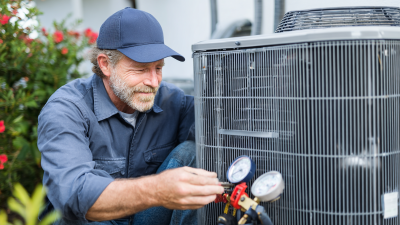
Consider annual professional inspections. Many issues are not visible to the untrained eye. A technician can identify problems early, saving you expensive repairs down the line. Remember, skipping maintenance can lead to inefficiencies and costly breakdowns. When your AC is neglected, it might not cool effectively, leading to discomfort. Keeping a record of maintenance visits can help track service history.
| Aspect | Details |
|---|---|
| Installation Type | Central Air Conditioning |
| Components | Condenser, Evaporator, Ductwork, Thermostat |
| Working Principle | Heat exchange process using refrigerant |
| Energy Efficiency Rating | SEER Rating (Seasonal Energy Efficiency Ratio) |
| Regular Maintenance | Filter replacement, coil cleaning, checking refrigerant levels |
| Common Issues | Inadequate cooling, strange noises, high energy bills |
| Lifespan | Typically 15-20 years with proper maintenance |
| Cost Factors | Unit size, installation complexity, labor costs |