Choosing the right industrial air conditioning system is crucial for any manufacturing facility. According to the International Institute of Refrigeration, industrial cooling systems account for nearly 40% of the total energy consumption in manufacturing. This highlights the importance of efficiency and effectiveness in selecting a system. John Miller, a leading expert in industrial air conditioning, emphasizes, "Choosing the right system can significantly lower operational costs and energy usage."
When evaluating options, factors such as system capacity, energy efficiency ratings, and maintenance requirements must be considered. Companies often overlook these aspects, resulting in poor choices that can lead to excessive energy bills and inadequate cooling. For example, older systems may struggle to maintain optimal temperatures in larger spaces, causing staff discomfort and reduced productivity.
Investing time in research is essential. Many businesses dive into the selection process without understanding their actual cooling needs. This can lead to overspending on unnecessary features. A well-informed decision requires both technical knowledge and practical insights into current industry trends. Ultimately, an optimal industrial air conditioning system not only preserves the working environment but also supports sustainable practices in the long run.
When selecting an industrial air conditioning system, several factors must be considered. Energy efficiency is paramount. According to a report by the U.S. Department of Energy, industrial HVAC systems can consume up to 30% of total energy use. Choosing a system with high energy efficiency ratings can significantly lower operational costs. Additionally, consider the size and layout of your facility. A well-sized system ensures optimal performance and prevents energy wastage.
Climate can also influence your decision. Locations with extreme temperatures may require more robust systems capable of handling diverse conditions. System capacity should align with environmental demands. Failure to size systems correctly could lead to overworking, causing frequent maintenance issues.
Tip: Regular maintenance checks can extend the lifespan of your system.
Moreover, installation and operational costs play crucial roles. Initial expenses often overshadow long-term savings. A thorough cost-benefit analysis is essential. Review lifecycle costs and potential upgrade paths.
Tip: Invest in user-friendly controls to enhance system efficiency.
Lastly, consider the availability of local service technicians. Access to skilled professionals is vital for timely maintenance and repairs. A lack of local support can lead to prolonged downtimes and inefficiency, underscoring the importance of this factor in system selection.
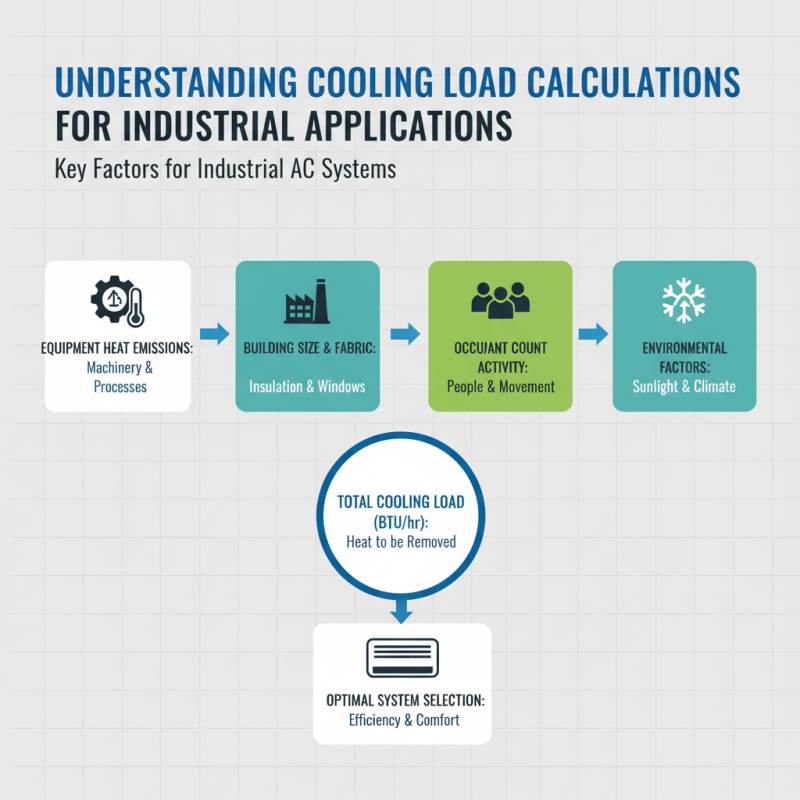
Calculating the cooling load is vital for choosing an industrial air conditioning system. The cooling load represents the amount of heat your system must remove to maintain a comfortable environment. Factors affecting this load include equipment emissions, building size, and the number of occupants. Understanding these elements can help in making smarter decisions.
Tips: Regularly assess your cooling load calculations. Changes in operations or equipment can shift your cooling requirements. Ignoring these shifts could lead to inefficient cooling or increased energy costs. Evaluate the external environment as well; seasonal changes might necessitate adjustments in your system.
Employ accurate measurement tools for load calculations. Using outdated or improper methods can result in errors. These discrepancies might lead to over- or under-sizing systems. Oversized units waste energy and can cause temperature fluctuations. On the other hand, undersized systems may struggle, leaving areas uncomfortable. Maintaining precision is critical.
Choosing an industrial air conditioning system requires an understanding of the various types available. Common systems include central air conditioning, ductless systems, and portable units. Central systems are efficient for large spaces. They maintain a consistent temperature throughout the area. Ductless systems, on the other hand, are flexible and ideal for older buildings. They offer targeted cooling without the need for ductwork. Portable units serve temporary needs well but can be less efficient.
When evaluating efficiency ratings, it's crucial to consider the Seasonal Energy Efficiency Ratio (SEER) and Energy Efficiency Ratio (EER). Higher ratings indicate better performance and lower operational costs. However, not all systems labeled as ‘efficient’ deliver as promised. Some might seem economical upfront but can lead to higher bills over time.
It's also important to think about installation and maintenance. Some systems require extensive setup and ongoing service. This can complicate the decision-making process. Users must weigh these factors against their cooling needs. Ultimately, the best choice balances efficiency, cost, and practicality.
| System Type | Cooling Capacity (kW) | Efficiency Rating (SEER) | Noise Level (dB) | Estimated Cost ($) |
|---|---|---|---|---|
| Chilled Water System | 100-500 | 14-20 | 60-70 | 15,000 - 100,000 |
| Direct Expansion System | 30-250 | 12-18 | 50-65 | 10,000 - 60,000 |
| Variable Refrigerant Flow (VRF) | 10-150 | 15-25 | 45-55 | 8,000 - 30,000 |
| Packaged Air Conditioning Systems | 50-200 | 10-15 | 55-75 | 12,000 - 50,000 |
| Evaporative Cooling Systems | 20-100 | 8-12 | 50-60 | 5,000 - 20,000 |
Evaluating the energy consumption and cost-effectiveness of industrial air conditioning systems is crucial for making informed decisions. According to the U.S. Department of Energy, industrial HVAC systems account for approximately 30% of total energy use in commercial buildings. With energy prices fluctuating, this is a significant consideration for businesses.
A well-designed cooling system can reduce energy costs by 20% to 50%. However, efficiency varies widely among systems. The Energy Efficiency Ratio (EER) and Seasonal Energy Efficiency Ratio (SEER) are key metrics to consider. Systems with higher ratings typically have lower energy consumption, but they may come with a higher initial cost. Balancing short-term expenses with long-term savings is essential.
It’s also important to evaluate the suitability of the system for the specific industrial application. Not all systems fit every environment. Oversizing can lead to increased energy waste, while undersizing may not provide adequate cooling. A thorough analysis of the building’s thermal characteristics can help tailor the solution. Regular maintenance and upgrades are necessary for sustaining performance. Many systems also lack advancements that improve efficiency. This is a gap that needs addressing for better long-term effectiveness.
In the realm of industrial air conditioning, maintenance is crucial for ensuring long-term performance. Regular upkeep helps avoid costly repairs and inefficient energy use. Check filters monthly for dirt and wear. Clean filters enhance airflow, improving comfort and reducing energy costs.
Consider scheduling professional inspections at least once a year. Technicians can spot potential issues and make necessary adjustments. Small problems can escalate into major failures if not addressed promptly. Maintain a log of all service records. This practice builds reliable history and helps track recurring issues.
Tips for effective maintenance include monitoring noise levels. Unusual sounds can indicate underlying issues. Pay attention to your system's energy consumption. An unexpected spike in usage can signal a problem. Lastly, keep the area around outdoor units clear of debris. This simple step promotes proper airflow, enhancing the unit's efficiency and longevity. Remember, neglecting maintenance can lead to significant setbacks in performance and increased costs.