Choosing the right residential air conditioning system is crucial for comfort and efficiency. The HVAC industry projects that residential air systems will account for over 60% of energy use in households by 2026. With rising energy costs, selecting an efficient system can significantly impact utility bills.
Many homeowners get overwhelmed by the options available in the market. Brands and models vary widely in capability and efficiency ratings. The U.S. Department of Energy states that a well-chosen residential air conditioning unit can reduce energy consumption by 30% to 50%. This data highlights the importance of making informed choices.
When selecting a system, consider long-term costs, including maintenance and repair. Many systems do not meet user expectations. Some models may promise efficiency but fail in real-world conditions. Understanding one’s specific cooling needs is critical. An ill-fitting system can lead to discomfort and increased expenditure. It's essential to conduct research before making a decision.
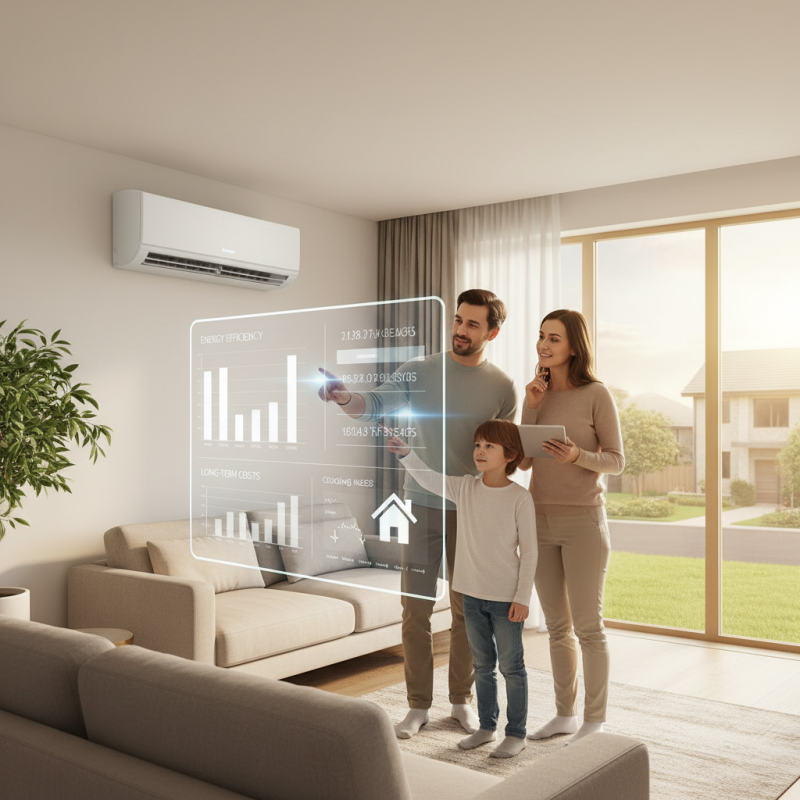
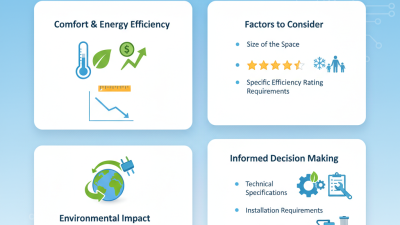
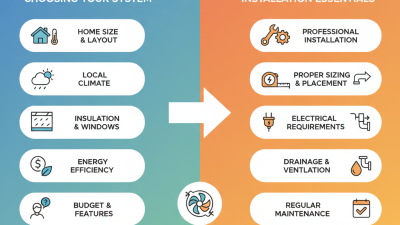
When selecting a residential air conditioning system, consider several key factors. The size of your home significantly affects cooling efficiency. According to the U.S. Department of Energy, an oversized unit cools too quickly, leading to increased humidity. A unit that is too small will struggle to maintain desired temperatures. It's critical to perform a load calculation to determine the correct capacity needed.
Energy efficiency is another vital aspect. Look for systems with a high SEER rating. Currently, the average SEER rating for new units is around 14. Units above this threshold can lead to savings on energy bills. The initial investment may be higher, but these systems typically pay off in the long run. Don't overlook maintenance costs. Some systems may require more frequent repairs or servicing.
Installation quality cannot be ignored. Poor installation can result in inefficiencies even in the best systems. Research shows that improper installation can lower efficiency by up to 30%. Therefore, hiring a qualified technician is essential. Lastly, think about the noise level. Some systems operate quietly, while others can be disruptive. Your comfort during hot days includes considering both temperature and noise.
When choosing a residential air conditioning system, it's essential to understand the different types available. Common systems include central air conditioning, ductless mini-splits, and window units. Each option has its own features and benefits suited to various home sizes and layouts.
Central air conditioning systems are popular for large homes. They distribute cool air through ductwork, ensuring even cooling. However, installation can be costly. Ductless mini-split systems provide flexibility. They allow for zoning, where you can control cooling in individual rooms. But the initial investment can also be high. Window units are the most affordable option. They are easy to install, yet they may not be efficient for larger spaces.
Tips: Consider your home size before deciding. Analyze your cooling needs carefully. Prioritize energy efficiency; it saves money long-term. Sometimes, a more expensive unit has better performance. Remember to think about noise levels as well. Some units can be quite loud. Take your time and weigh your options.
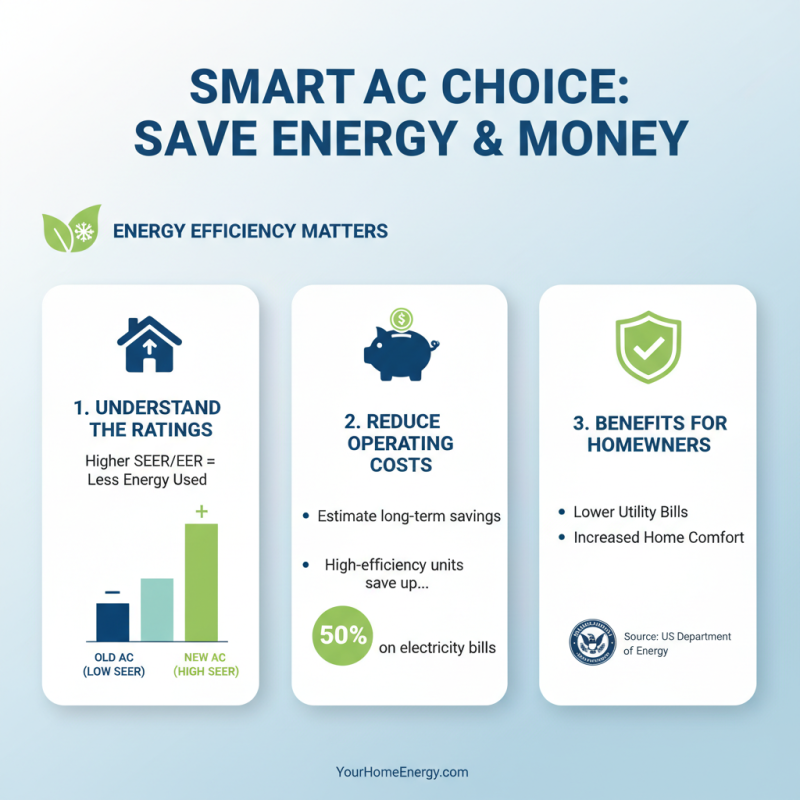
When selecting a residential air conditioning system, energy efficiency ratings are crucial. These ratings indicate how much energy a unit consumes to provide cooling. They also help homeowners estimate long-term operating costs. According to the U.S. Department of Energy, systems with higher energy efficiency ratings can save up to 50% on electricity bills compared to older models.
The Seasonal Energy Efficiency Ratio (SEER) is an important measure for cooling performance. Systems with a SEER rating of 16 or higher are highly efficient. Interestingly, many homes still use systems with SEER ratings below 12. This means they may consume more energy than necessary. Homeowners need to consider the long-term savings. Lower efficiency may seem cheaper upfront but leads to higher cumulative costs over time.
Energy efficiency shouldn’t be the only factor. Home size, insulation, and local climate also matter. A high-efficiency unit in an under-insulated home might not perform well. It's not just about the rating. Improper sizing, installation flaws, or lack of maintenance can diminish performance. You might think you’ve made the best choice, only to face disappointed results. Always reflect on these aspects during your decision-making process.
Choosing the best residential air conditioning system involves careful consideration of installation requirements and maintenance needs. Different systems have unique specifications that can impact both comfort and efficiency. For example, ductless mini-split systems require no ductwork, allowing for easier installation in homes without existing ducts. However, the initial installation costs can be higher. Traditional central air systems, on the other hand, need extensive ductwork, which can lead to higher energy losses if not properly insulated.
Tips: Ensure a professional assesses your home's layout. Proper sizing is crucial for optimal performance. An oversized unit may lead to short cycling, wasting energy and increasing wear.
Maintenance is essential for all types of systems. According to industry reports, regular maintenance can reduce energy consumption by up to 30%. Dirty filters and evaporators can hinder airflow and cause units to work harder. Some homeowners may forget to schedule routine checks, leading to potential breakdowns. This can be costly.
Tips: Set reminders for filter changes every 1-3 months. Invest in a maintenance plan if you're unfamiliar with HVAC systems. This proactive approach can save you money in the long run.
Budgeting for your residential air conditioning needs can be challenging. According to the U.S. Department of Energy, homeowners typically spend about 6% of their income on cooling and heating. Factors like energy efficiency ratings and installation costs deeply affect this percentage.
Many families overlook the hidden costs. Maintenance, repairs, and energy bills can add up over time. It's essential to account for these ongoing expenses in your budget. A study by the Air-Conditioning, Heating, and Refrigeration Institute revealed that an efficient system could save nearly 30% on energy bills. Yet, upfront investments often deter homeowners from choosing the best option available.
Investing in a quality air conditioning system is crucial. A cheaper unit might save you money now but could lead to higher costs later. Consider the life expectancy of the system as well. Most air conditioning units last 10 to 15 years. If you are not prepared for the replacement, it may disrupt your finances down the road. Create a comprehensive budget that includes initial costs and potential long-term savings.
| System Type | Average Cost ($) | Energy Efficiency Rating (SEER) | Lifespan (Years) | Maintenance Cost (Yearly $) |
|---|---|---|---|---|
| Central Air Conditioning | 3,000 - 7,000 | 14 - 20 | 15 - 20 | 150 - 300 |
| Ductless Mini-Split | 2,000 - 5,000 | 16 - 25 | 10 - 15 | 125 - 250 |
| Window Air Conditioner | 150 - 700 | 10 - 15 | 5 - 10 | 50 - 100 |
| Portable Air Conditioner | 200 - 600 | 8 - 12 | 5 - 10 | 100 - 150 |