Selecting the right SLOTTED BOLT can significantly impact the success of your project. John Simon, an industry expert at Fasteners International, once stated, “The perfect slotted bolt can make all the difference in assembly efficiency.” This statement highlights the importance of making an informed choice.
Slotted bolts provide versatility, allowing for adjustable fastening in a range of applications. Understanding your specific needs is crucial. Consider factors such as material type, size, and load capacity. Each detail can affect performance and longevity. Notably, many overlook the role of installation techniques, which can lead to issues later on.
While choosing, reflect on both modern and traditional uses of slotted bolts. Have you considered how different projects may benefit from various designs? As with any tool, not all slotted bolts are created equal. It's vital to research and rely on reliable sources before committing to a purchase.
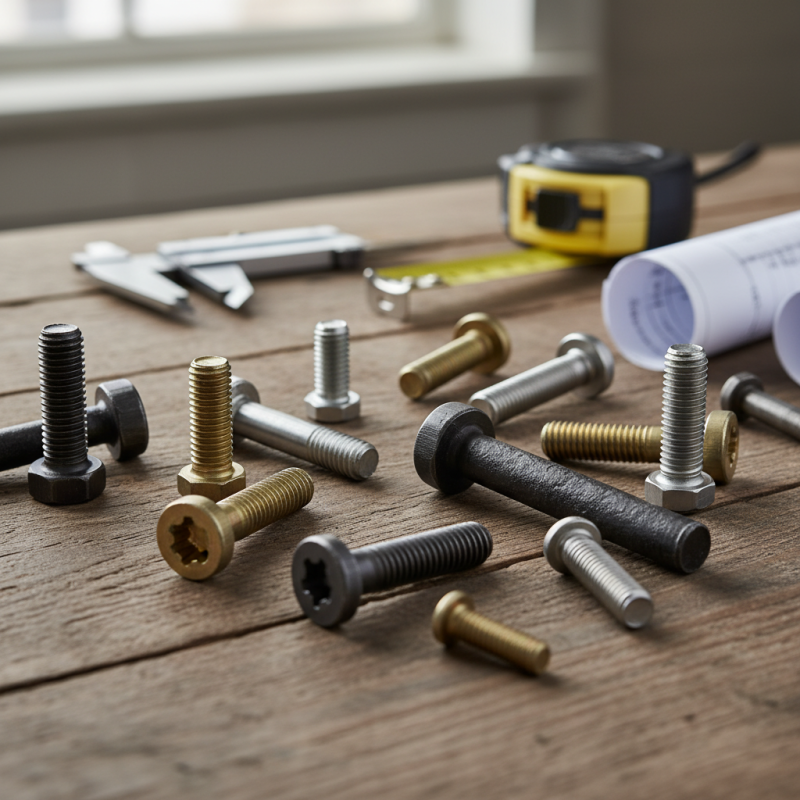
When it comes to slotted bolts, understanding the different types is essential. Slotted bolts offer versatility. They can be used in various applications, from construction to furniture assembly. Typically, these bolts have a long groove down their shaft, allowing for easier installation. However, not all slotted bolts are the same.
Consider the material of the bolt. Stainless steel slotted bolts resist rust and corrosion, making them suitable for outdoor applications. Meanwhile, carbon steel options tend to be more economical for indoor use. Each material has its strengths. Remember, a poorly chosen bolt can weaken your structure, so prioritize quality.
The size of the slotted bolt also matters. A bolt that’s too small may not provide adequate support. Conversely, a bolt that’s too large may not fit correctly. Take the time to measure your needs. This step often gets overlooked but has significant consequences. Make sure to assess the weight and stress your application will encounter. Making informed choices ensures better performance and longer-lasting results.
When choosing slotted bolts, material selection is critical. Different materials offer unique properties that can affect performance. For instance, stainless steel provides excellent corrosion resistance, making it ideal for outdoor use. In contrast, carbon steel is more affordable but may not withstand harsh environments as well.
Another factor is tensile strength. High-strength alloys are available, which can handle heavy loads. However, they may be more brittle and prone to failure. This is a trade-off that needs careful consideration. The environment where the slotted bolt will be used should influence your choice. For instance, exposure to moisture and chemicals can lead to rapid deterioration of certain materials.
It is essential to consider manufacturing processes as well. Some materials are easier to work with, resulting in lower production costs. However, the finished product might lack the necessary strength. Always ask suppliers for material specifications. It ensures the slotted bolt meets your application requirements. This level of scrutiny can be daunting, but it is vital for long-term success.
When selecting a slotted bolt, understanding its strength and load capacity is critical. Slotted bolts are often used in applications where adjustments are necessary. Industry standards, such as those outlined by ASTM, indicate specific load capacities based on material and size. For instance, a typical steel slotted bolt can support loads ranging from 15,000 to 60,000 pounds, depending on its diameter.
Load capacity ratings can vary. It's essential to refer to documentation from trusted sources, like engineering handbooks or safety guidelines. The differences in load ratings stem from factors like bolt grade, type of material, and environmental conditions. For harsh environments, corrosion-resistant materials might be required, which can affect overall strength.
When evaluating slotted bolts, consider the potential failures that may occur. Are you accounting for dynamic loads? A bolt under constant movement might weaken faster. Additionally, installation methods can lead to inconsistencies in strength. Have all factors been assessed? It's vital to ensure that the selected bolt meets the specific demands of the application.
When selecting a slotted bolt, corrosion resistance plays a key role. Metals exposed to moisture and varying temperatures can degrade quickly. The 2021 National Coating Association Report found that about 30% of all structural failures in construction result from inadequate corrosion protection. Understanding the environment where the bolt will be used is crucial.
Different materials offer varying levels of resistance. Stainless steel, for instance, typically resists rust better than carbon steel. However, not all stainless steel grades are equal. Grade 316 is often favored in marine applications for its superior resistance to saltwater. The 2020 Metal Corrosion Study highlighted that environments with high humidity amplify the risk of corrosion.
Environmental factors significantly impact bolt performance. Ultraviolet exposure can weaken certain coatings. Similarly, acidic or alkaline substances can accelerate deterioration. The 2022 Engineering Journal emphasizes that nearly 50% of installations fail due to inadequate consideration of these factors. Regular assessments and material testing can help prevent failures.
When selecting a slotted bolt, determining the right size and thread specifications is crucial. Industry reports indicate that nearly 70% of hardware failures are due to improper sizing. A bolt that is too large or small can compromise the integrity of your project. Accurate measurements are essential for ensuring maximum strength and durability.
Consider the diameter, length, and thread pitch when choosing a bolt. The diameter should match the hole size in the material you're using. For example, a 1/4 inch bolt requires a 1/4 inch hole. Length needs to accommodate the thickness of materials. A bolt that's excessively long can hinder assembly, while one that's too short may not provide sufficient grip.
**Tips:** Always consult the manufacturer’s specifications for guidance on thread type. Unified threads (UN) or metric threads may be needed, impacting compatibility. Regularly evaluating your bolt selection process can highlight any overlooked details.
Another variable is the material of the bolt. Carbon steel, stainless steel, or brass each have different strengths and weaknesses. A mismatch can lead to rust or bending under stress. Regular audits of your material usage can help identify potential weaknesses in your choices.
| Bolt Size (Diameter) | Thread Pitch | Length (mm) | Material | Load Capacity (kg) |
|---|---|---|---|---|
| M6 | 1.0 mm | 20 | Stainless Steel | 100 |
| M8 | 1.25 mm | 30 | Carbon Steel | 200 |
| M10 | 1.5 mm | 40 | Alloy Steel | 350 |
| M12 | 1.75 mm | 50 | Stainless Steel | 450 |
| M16 | 2.0 mm | 60 | Carbon Steel | 600 |