Why Air Conditioning is Essential for Your Business Success?

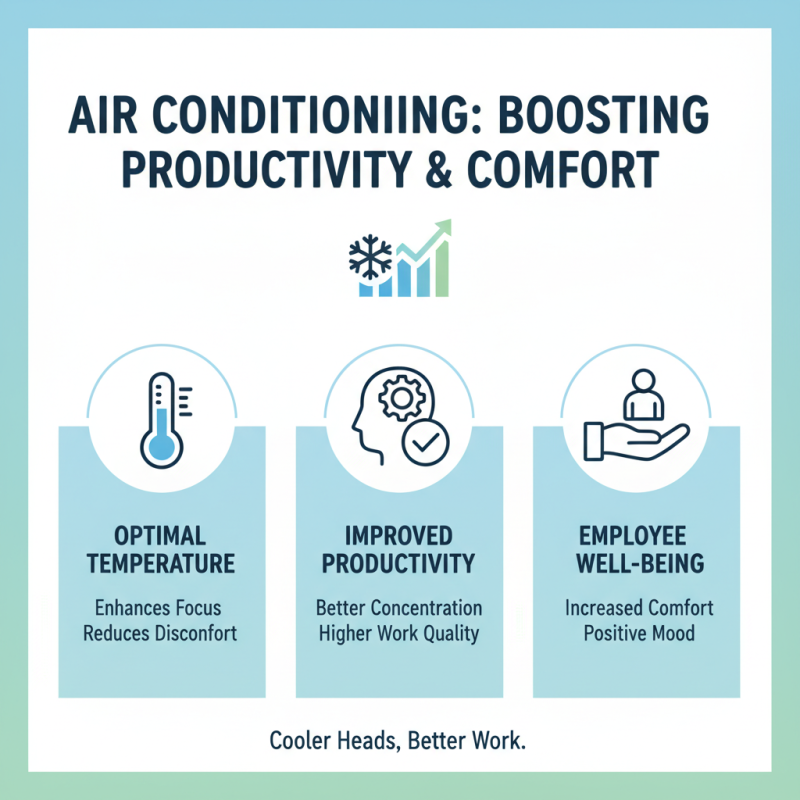
In today's competitive landscape, many businesses overlook essential factors that drive success. Among these is the importance of a comfortable working environment. Employees perform best when the temperature is just right. Hot summer days can hinder productivity and morale. This is where air conditioning becomes crucial.

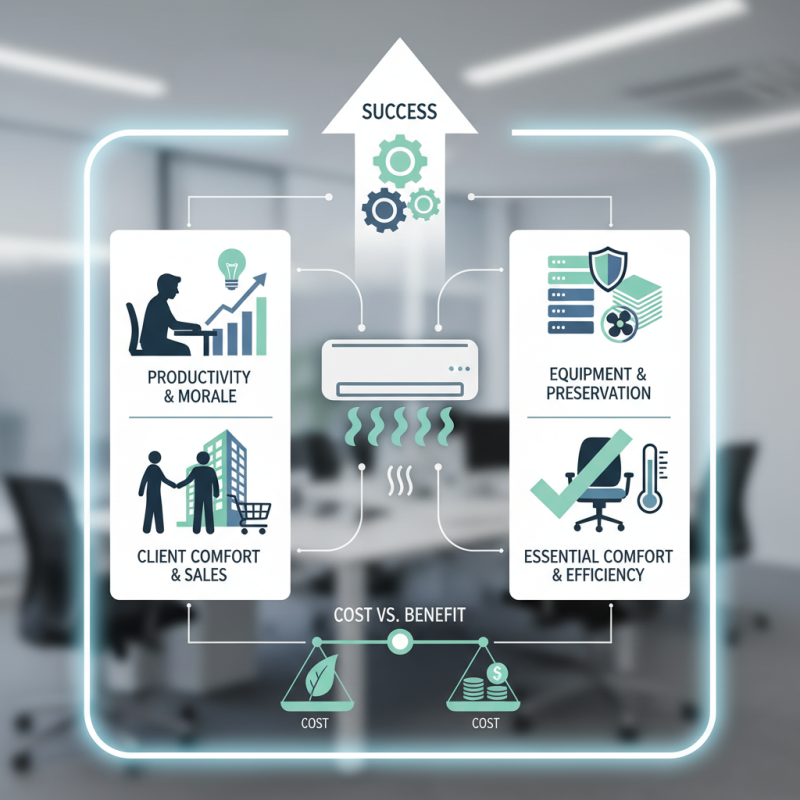
Proper climate control ensures a focused atmosphere. Productivity increases when employees are comfortable. Moreover, clients and customers feel welcomed in a cool space. This creates a positive impression, leading to potential sales and partnerships. Air conditioning also helps in preserving equipment and documents that can be sensitive to heat.

Yet, some businesses hesitate to invest in this vital aspect. They might focus on immediate costs rather than long-term benefits. However, neglecting air conditioning can lead to discomfort and reduced efficiency. It is essential to recognize that a well-ventilated and temperature-controlled workspace is not just a luxury but a necessity. Embracing this can elevate a company's overall success.
Why Air Conditioning is Essential for Your Business Success?

The Importance of Air Conditioning in the Workplace Environment

A comfortable workplace is crucial for employee productivity. Air conditioning plays a key role in achieving this environment. It regulates temperatures, ensuring that employees can focus on their tasks. When temperatures rise, concentration often dips. Uncomfortable work settings can lead to mistakes and decreased morale.

Moreover, air conditioning helps maintain air quality. Dust and allergens can affect health. A well-functioning system filters out pollutants. This creates a healthier space, reducing sick days and promoting overall well-being. Healthy employees are usually more engaged and efficient.

However, climate control is not just about comfort. An over-reliance on air conditioning can lead to problems. Sometimes, businesses neglect natural ventilation options. It is essential to strike a balance. Reflecting on these practices can lead to improvements. Finding the right harmony can enhance both productivity and health.

Why Air Conditioning is Essential for Your Business Success? - The Importance of Air Conditioning in the Workplace Environment

Dimension Description Impact on Business
Employee Comfort Maintaining a comfortable temperature for employees Increases productivity and morale
Air Quality Filtration and circulation of air to reduce pollutants Reduces sick days and improves employee health
Customer Experience Creating a pleasant environment for customers Enhances client satisfaction and retention
Energy Efficiency Using modern, efficient systems Reduces operating costs and environmental impact
Compliance Meeting health and safety regulations Avoids penalties and enhances corporate image

How Air Conditioning Enhances Employee Productivity and Comfort

Why Air Conditioning is Essential for Your Business Success?

Air conditioning plays a crucial role in creating a comfortable work environment. When temperatures rise, employees struggle to concentrate. A well-regulated temperature helps maintain focus. Productivity is often linked to comfort. When people feel hot and uncomfortable, their work quality may decline.

In offices without air conditioning, employees often report fatigue and increased stress levels. These factors hinder teamwork and creativity. A comfortable environment encourages collaboration and innovative thinking. Investing in air conditioning systems can enhance this dynamic. It demonstrates a commitment to employee well-being.

Of course, not all air conditioning systems perform equally. Regular maintenance is essential for optimal performance. Neglecting this can lead to discomfort. It’s crucial to stay informed about system efficiency. Consider both cost and energy consumption in your decisions. Creating an inviting workspace should not be taken lightly. A simple change can transform the workplace atmosphere.

The Role of Air Conditioning in Customer Experience and Satisfaction

Air conditioning plays a crucial role in enhancing customer experience and satisfaction in various businesses. According to a survey by the American Society of Heating, Refrigerating and Air-Conditioning Engineers (ASHRAE), the ideal indoor temperature for comfort is between 70°F to 72°F. Maintaining this range can significantly affect how customers perceive their environment. When temperatures rise above this ideal, studies show that customers may spend up to 25% less time in stores, directly impacting sales.

Furthermore, poor air quality can lead to dissatisfaction. The World Health Organization (WHO) reports that indoor air quality can be two to five times worse than outdoor air. Customers can feel uncomfortable in stuffy spaces, leading to negative experiences. Research indicates that 90% of consumers say they are more likely to return to a business that values their comfort.

However, achieving the perfect balance can be challenging. Over-reliance on air conditioning can lead to increased energy costs and environmental concerns. It’s essential for businesses to not only invest in efficient systems but also to seek innovative solutions. Regular maintenance of air conditioning units is crucial. Studies show that poorly maintained systems can decrease efficiency by 30%, ultimately affecting customer perceptions. Finding that balance is essential for creating an inviting atmosphere where customers feel valued and comfortable.

Importance of Air Conditioning in Business Success

This chart illustrates the significant impact air conditioning has on various aspects of business success. A well-functioning air conditioning system contributes to increased customer comfort, reduces complaints, encourages repeat visits, boosts employee productivity, and enhances brand image.

Cost Considerations: Energy Efficiency and Maintenance of Air Conditioning

Air conditioning plays a vital role in business operations. A well-optimized system not only enhances comfort but also significantly impacts costs. The U.S. Department of Energy indicates that energy consumption for cooling can account for up to 17% of a business’s total energy use. An energy-efficient air conditioning unit can reduce operating costs significantly. Small adjustments, like regular maintenance, can boost efficiency by up to 15%.

Routine maintenance is crucial for prolonging the lifespan of air conditioning units. A report by the American Society of Heating, Refrigerating and Air-Conditioning Engineers (ASHRAE) highlights that a neglected system can lose about 5% of its efficiency each year. Thus, investing in professional check-ups can yield substantial savings. Moreover, businesses should consider programmable thermostats, which can cut energy use by 10-30%.

Despite the benefits, there is a notable challenge. Many businesses neglect regular maintenance due to immediate cost concerns. This oversight can lead to higher costs in the long run. A survey from the Building Performance Institute showed that 40% of businesses fail to maintain their systems adequately. Decision-makers must weigh short-term expenses against the potential losses from inefficiency and system failure.

Long-Term Benefits of Investing in Air Conditioning for Business Growth

Investing in air conditioning is critical for business growth. Studies show that comfortable working environments enhance employee productivity by up to 20%. When temperatures soar, discomfort leads to distractions. In fact, research indicates that productivity can drop by 10% for each degree over 20°C. This is particularly concerning for industries reliant on manual labor or customer interaction.

Moreover, customer comfort is essential in retail settings. A study found that 75% of customers are more likely to stay longer and spend more in air-conditioned stores. This creates a direct link between a pleasant environment and increased revenue. Quality air conditioning can also improve air quality, reducing the chance of illnesses that incur costs through absenteeism.

However, businesses often overlook maintenance and updates. Neglecting these can lead to inefficient systems that increase energy bills. It's a common pitfall that can harm profitability. To truly benefit from air conditioning, companies must not only invest in these systems but also maintain them regularly.