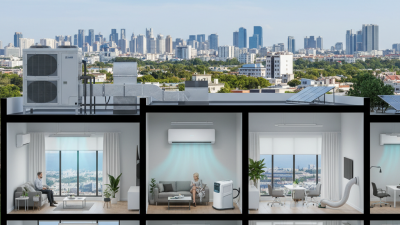
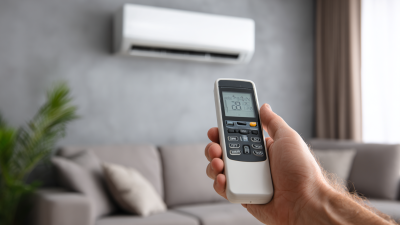
How to Improve Air Conditioning Efficiency at Home?

Air conditioning plays a vital role in modern comfort. During summer, many households rely heavily on air conditioning systems. However, most do not realize that small changes can lead to significant improvements in efficiency.

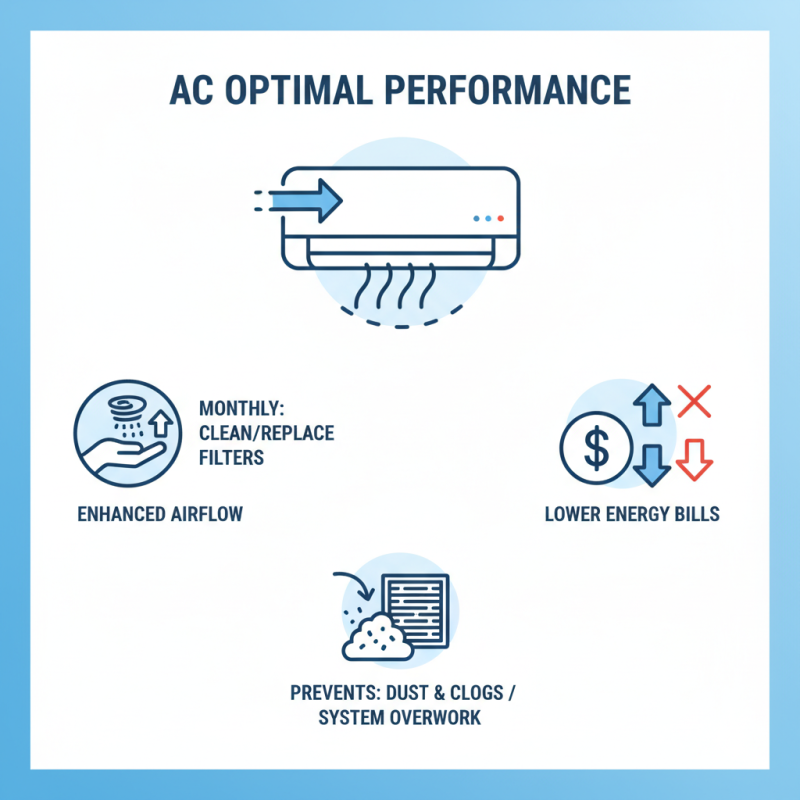
Homeowners often overlook basic maintenance. For instance, cleaning or replacing filters regularly can enhance airflow. Seal any gaps in windows and doors to prevent cool air from escaping. These are simple steps that anyone can take.

Additionally, you may need to reconsider your thermostat settings. Setting your thermostat a few degrees higher can make a noticeable difference. This not only helps your air conditioning work more efficiently but also saves energy. By being aware of these tips, you can make your home more comfortable without wasting resources.
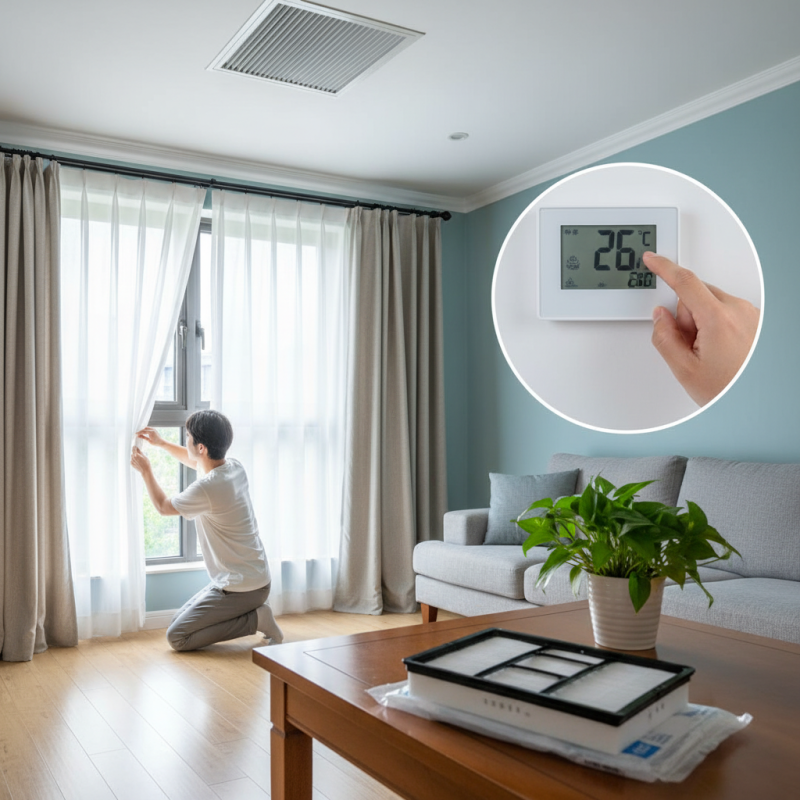
How to Improve Air Conditioning Efficiency at Home?

Understanding Air Conditioning Basics and Efficiency Metrics

Air conditioning systems work by removing heat from indoor air. Understanding their efficiency metrics can help you save energy and money. SEER (Seasonal Energy Efficiency Ratio) is a key metric that measures cooling output. A higher SEER rating indicates better efficiency. Look for units with at least a 14 SEER rating for optimal performance.

Tips: Regular maintenance is crucial. Change your air filter monthly. A dirty filter reduces airflow and efficiency. Clean coils and check for leaks. This can greatly improve performance. Also, consider your thermostat. Programmable thermostats help regulate temperature and reduce energy costs.

Another important aspect is insulation. Proper insulation keeps cool air in and hot air out. Check windows and doors for drafts. Seal any gaps to enhance efficiency. Using fans in conjunction with your AC can help distribute cool air evenly. It may seem small, but every action counts in improving comfort and efficiency. Remember, even small changes can lead to noticeable improvements.

How to Improve Air Conditioning Efficiency at Home?

Tip Description Impact on Efficiency Estimated Savings
Regular Maintenance Schedule annual check-ups and timely filter replacements. Reduces strain on system, enhancing longevity. Up to 15% on energy costs.
Use Programmable Thermostat Automate temperature settings based on your schedule. Improves usage efficiency by avoiding unnecessary cooling. Up to 10% on cooling costs.
Seal Ducts Check and seal any leaks in your ductwork. Improves air flow, ensuring more efficient cooling. Up to 20% on energy expenditures.
Install Energy-Efficient Unit Upgrade to a model with a higher SEER rating. Significantly increases overall system efficiency. Estimated up to 30% or more on energy bills.
Utilize Ceiling Fans Circulate cool air throughout the house. Reduces reliance on A/C for comfort. Potentially saves up to 7% on cooling costs.

Regular Maintenance Practices for Optimal Air Conditioner Performance

How to Improve Air Conditioning Efficiency at Home?

Regular maintenance is crucial for optimal air conditioner performance. Cleaning or replacing filters every month can significantly enhance airflow. Clogged filters force the system to work harder, leading to higher energy bills and discomfort. Dust and debris accumulate quickly, especially in homes with pets or heavy foot traffic.

Inspecting the outdoor unit is often overlooked. Ensure the area around it is clear of obstructions like leaves or dirt. A clean environment allows the unit to breathe. Neglecting this can cause overheating and inefficient cooling.

Additionally, consider scheduling a professional check-up annually. This helps identify potential issues early, saving money in the long run. However, many homeowners skip this step. Relying solely on self-maintenance can lead to unnecessary repairs later. Regular maintenance is not just about convenience; it’s essential for efficiency.

Selecting the Right Size and Type of Air Conditioner for Your Home

Selecting the right size and type of air conditioner is crucial for improving home cooling efficiency. A unit that is too small will struggle to cool a room. This can lead to higher energy costs and reduced comfort levels. Conversely, an oversized unit can cycle on and off too frequently. This causes unnecessary wear and tear, along with higher humidity levels. The wrong size is often the primary reason for inefficiency.

According to the U.S. Department of Energy, air conditioners can operate 20% more efficiently when correctly sized. To determine the appropriate capacity, consider your home's square footage. The general rule of thumb is about 20 BTUs per square foot. However, factors like insulation and window size can affect this calculation. Many homeowners overlook these details, leading to costly mistakes.

Another factor to consider is the type of air conditioner. Central systems are often more efficient for larger homes. In contrast, window units or ductless mini-split systems may work better in smaller spaces. A recent study showed that homes using ductless systems could save up to 30% on energy bills. Selecting the right combination is vital for optimal performance.

Take time to assess your space carefully. Making an informed choice can lead to significant savings and comfort.

Utilizing Smart Thermostats to Enhance Cooling Efficiency

Smart thermostats are transforming how we manage cooling in our homes. These devices use algorithms and machine learning to adjust temperatures based on occupant behavior. According to a study by the U.S. Department of Energy, smart thermostats can save up to 10-15% on cooling costs annually. That's a significant reduction for many households.

Utilizing a smart thermostat means setting the device to lower the temperature during peak hours. This approach not only improves comfort but also enhances energy efficiency. Homeowners report increased satisfaction, yet some struggle with setup. It requires an understanding of one's daily routines. A poorly programmed thermostat can lead to wasted energy, leaving you colder than necessary.

Moreover, smart thermostats adapt over time. They analyze past usage and make predictions for future cooling needs. However, they are not a catch-all solution. Some homes may have issues like poor insulation or outdated systems that hinder efficiency. It’s crucial to address these underlying problems before relying solely on smart technology for cooling.

How to Improve Air Conditioning Efficiency at Home Using Smart Thermostats

Implementing a smart thermostat can significantly enhance the efficiency of air conditioning systems in homes, improving cooling efficiency from 60% to 85% as shown in the chart above.

Improving Home Insulation to Reduce Air Conditioning Demand

Improving home insulation is crucial in enhancing air conditioning efficiency. According to the U.S. Department of Energy, poorly insulated homes can waste up to 30% of energy. Proper insulation helps maintain a consistent indoor temperature, reducing the demand for cooling systems. A well-insulated home can mean lower energy bills and a smaller carbon footprint.

There are several ways to improve insulation. Sealing gaps around windows and doors is a simple yet effective step. Weatherstripping and caulking can create a tight seal, preventing cool air from escaping. Adding insulation to walls and attics is another powerful method. Insulation materials like fiberglass or cellulose can significantly enhance energy efficiency.

**Tip:** Evaluate your home’s insulation level. Use an infrared thermometer to find cold spots.

Reflecting on these improvements can reveal areas needing attention. Many homeowners may overlook basement insulation. However, neglecting this can lead to considerable energy loss. Regularly checking the insulation condition is vital. Over time, wear and tear can reduce effectiveness, leading to higher AC usage.

**Tip:** Consider hiring a professional for an energy audit. They can identify hidden issues in your insulation.