Rotating Machines are vital for numerous industrial applications. They drive pumps, fans, and compressors. According to the U.S. Department of Energy, these machines account for nearly 70% of electricity consumption in manufacturing. Ensuring their optimal performance can lead to significant energy savings. However, many facilities neglect regular maintenance.
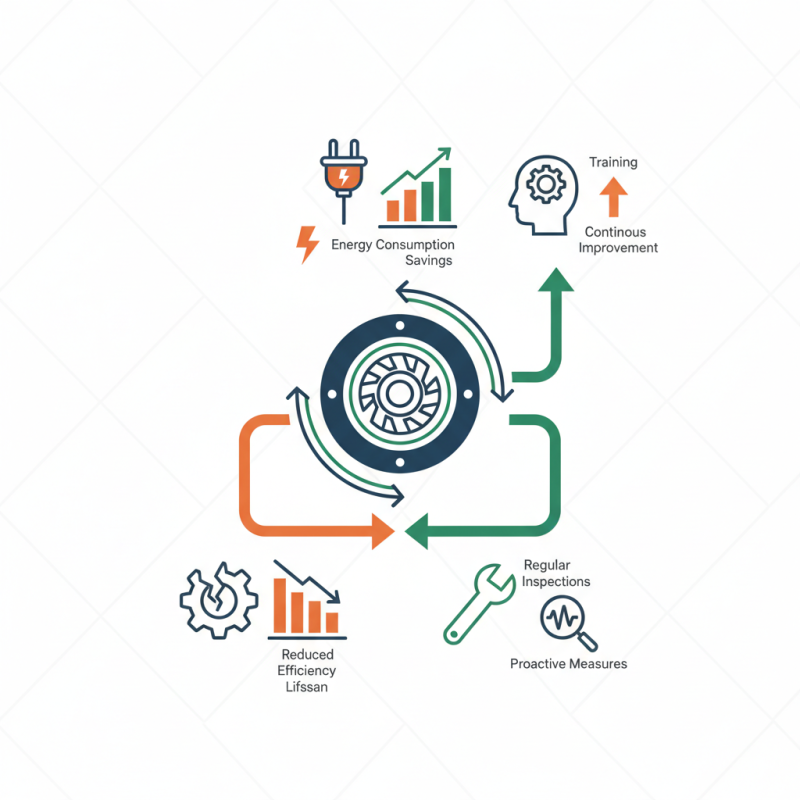
The impact of poorly maintained rotating machines is evident. A report by the International Energy Agency reveals that inadequate maintenance can lead to a 20-30% reduction in efficiency. This not only increases operational costs but also shortens the lifespan of equipment. Many organizations face operational failures due to oversight in maintenance protocols. Regular inspections and proactive measures are essential for performance enhancement.
Incorporating condition monitoring tools can greatly improve reliability. Yet, data indicates that only a fraction of companies utilize such technologies effectively. Investing in training and resources for maintenance teams can bridge this gap. A culture of continuous improvement is essential for maximizing the efficiency of rotating machines. It requires commitment and reflection on current practices.
Rotating machines play a crucial role in various industries. Understanding their performance metrics is essential for maintaining optimal operation. Efficiency, vibration levels, and temperature are key indicators. Keeping an eye on these factors can prevent costly breakdowns. Regular inspections are vital. A small issue can lead to larger problems down the road.
Vibration analysis is particularly useful. An increase in vibration often signals an imbalance or misalignment. Monitoring temperature is equally important. Machines operating at high temperatures may indicate friction. This can cause premature wear. Noticing these signs early can provide an opportunity to make adjustments.
Maintenance schedules should be consistent but flexible. Overlooking minor repairs can lead to unexpected failures. It’s essential to document every check performed. This creates a valuable history of performance trends. Reflecting on past maintenance can help identify patterns. Identifying what works and what doesn’t is key to improvement. Regular reviews can lead to better practices and ultimately, a more efficient operation.
Maintaining rotating machines is crucial for efficiency. Regular maintenance helps identify potential issues before they escalate. According to industry reports, nearly 30% of machine failures are due to inadequate maintenance practices. Accurate scheduling of maintenance reduces downtime and enhances performance.
Frequency of inspections should be every six months or quarterly, depending on usage. Vibration analysis is one effective procedure. This technique detects imbalance or misalignment early. In fact, studies show it can predict 70% of failures. However, many overlook this practice, leading to unexpected breakdowns.
Lubrication is equally vital. Proper lubrication can extend machine life significantly. A well-known statistic states that 80% of bearings fail due to poor lubrication. It's essential to use the right lubricant and follow correct procedures. Employees sometimes skip inspections or rush through them, resulting in missed signs of wear. Regular training and checklists can help mitigate this issue.
Lubrication plays a crucial role in the performance and longevity of rotating machines. According to industry reports, approximately 50% of machine failures are related to improper lubrication. This highlights the importance of using the right type and quantity of lubricant. Regular maintenance can significantly reduce wear and tear, ultimately extending equipment life.
Tips:
The choice of lubricant is vital. Different machines require different types of lubricants for optimal function. Using the wrong type can result in excessive wear. It is also important to consider environmental factors. Changes in temperature and humidity can impact lubrication effectiveness.
Inconsistent lubrication practices often lead to costly downtimes. Regular checks and adjustments to lubricant levels can prevent these issues. Industry data shows that proactive lubrication management can reduce maintenance costs by up to 30%. Keep an eye on component temperatures. Unusual spikes may indicate lubrication failures.
Monitoring vibration and temperature are crucial for maintaining rotating machines. Vibration analysis can reveal early signs of wear. A sudden increase in vibration signals potential issues like misalignment or imbalance. Regular checks can help catch these problems before they escalate. Listening to the machine can also be valuable. Unusual noises often indicate deeper issues.
Temperature monitoring is equally essential. High temperatures can lead to premature failure. Keeping an eye on operating temperatures ensures everything runs smoothly. Overheating might stem from low lubrication or mechanical friction. Recording temperature changes over time can identify trends. These patterns may indicate when maintenance is necessary.
Reflecting on maintenance practices is important. Are you monitoring effectively? It’s easy to overlook routine checks. Sometimes, teams become complacent. Establishing a strict schedule for vibration and temperature monitoring can improve machine reliability. Addressing small issues promptly prevents larger, costly repairs down the line.
Regular inspections are crucial for rotating machines. They directly impact operational efficiency and can significantly reduce downtime. According to a report by the Reliability and Maintainability Center, regular maintenance can decrease unplanned outages by up to 30%. This reduction translates to better productivity and cost savings.
During inspections, technicians should check components like bearings, seals, and belts. Wear and tear can go unnoticed. Ignoring these checks can lead to catastrophic failures. A study by the Machinery Failure Prevention Technology indicated that 60% of machinery failures stem from neglecting routine maintenance. This highlights the need for a proactive approach.
Employees must be trained adequately. Insufficient knowledge can lead to improper inspections. Inadequate inspections might miss critical issues. A well-designed maintenance program must include ongoing training sessions. Ignoring this can be a costly mistake. Data suggests that companies investing in employee training see a 20% increase in operational efficiency. Missing these insights can lead to unexpected shutdowns and, ultimately, lost revenue.